


Is your toddler struggling to gain weight? As a single parent, navigating nutrition can be daunting, but understanding how to provide the right foods is crucial for your child’s health and growth. This article offers practical tips and delicious food suggestions to help ensure your little one gets the nourishment they need to thrive.
Understanding Your Toddler’s Nutritional Needs
is essential for their overall growth and development, especially if you are focusing on weight gain. Toddlers are naturally active, and their small stomachs make it crucial to maximize the nutritional value of the foods they consume. During this stage, children require a diet rich in essential nutrients while also being calorie-dense to support their energy levels and physical activities.
To ensure that your toddler’s diet aligns with their nutritional requirements, consider the following strategies:
- Incorporate healthy Fats: Foods like avocados, nut butters, and full-fat dairy can provide essential calories and nutrients. For instance, spreading avocado on whole-grain toast not only adds healthy fats but is also appealing to young children.
- Offer Multiple Meals and snacks: Rather than sticking to three meals a day, try to provide several smaller meals and snacks throughout the day. This can definitely help them consume more calories without feeling too full at once.
- Make Food Fun: Engaging your toddler in mealtime by arranging food into fun shapes or colors can enhance their interest in eating. Such as, creating a smiley face with fruits or vegetables can encourage them to try something new.
- Choose High-Calorie Options: Focus on including high-calorie foods like cheese, yogurt, and granola bars in their diet. This can help meet their energy needs without requiring large portion sizes.
For parents seeking ways to help their toddlers gain weight, it’s beneficial to understand that not all calories are equal. Prioritizing nutrient-rich foods ensures that while your child is gaining weight, they are also receiving critical vitamins and minerals for their growth. Integrating variety into their diet can aid in fostering healthy eating habits that persist into later childhood.
When preparing meals, look for ways to increase caloric density. Such as, adding cream to soups or using whole milk instead of low-fat alternatives in smoothies can significantly boost calorie intake. It’s crucial to observe how your toddler responds to different foods and adjust their diet accordingly, ensuring that each choice supports their health and wellness.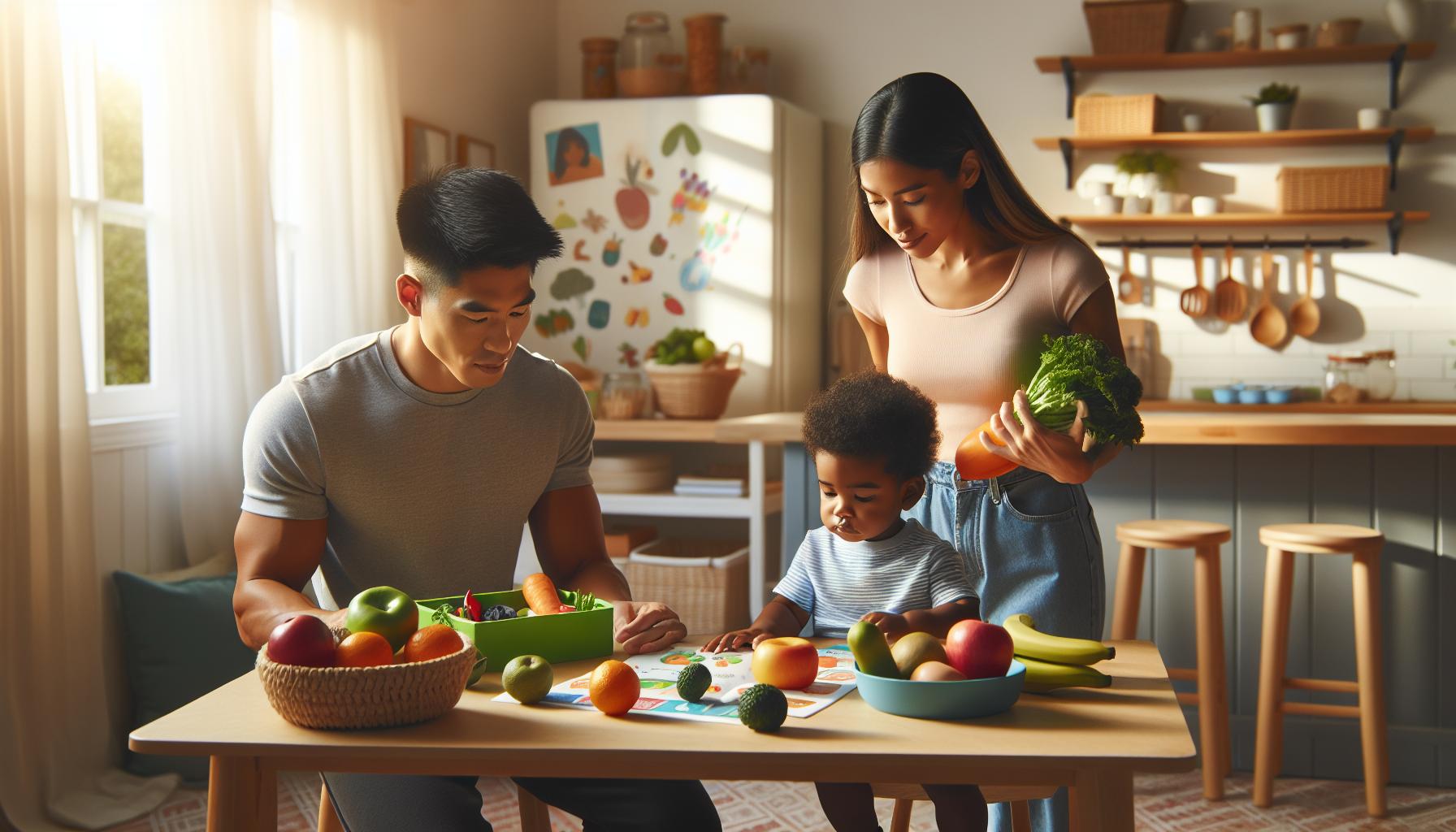
Creative Meal Ideas to Boost Caloric Intake
When it comes to encouraging toddlers to gain weight, creativity in meal preparation can make a notable difference. By transforming ordinary foods into exciting,high-calorie delights,you can entice your little one to eat more without the stress of mealtime battles. Providing nutrient-dense meals that are visually appealing and fun to eat can turn each meal into an adventure, making it easier for single parents to support healthy weight gain in their toddlers through enjoyable eating experiences.
Delicious and Nutritious Meal Ideas
To maximize caloric intake, focus on meals that combine essential nutrients with higher calorie counts. Here are some inventive ideas:
- Peanut Butter Banana Smoothies: Blend together ripe bananas, whole milk, and a generous scoop of peanut butter for a creamy, high-calorie beverage. you can add oats or honey for extra sweetness and calories.
- Mac and cheese with Add-ins: Elevate traditional mac and cheese by mixing in ingredients like shredded chicken, avocado, or peas. Using full-fat cheese and whole milk will enhance the caloric content.
- Yogurt Parfaits: Layer full-fat yogurt with granola, honey, and fruits such as berries or mangoes. This colorful dessert is not only tasty but also packed with calories and beneficial nutrients.
- Whole Wheat Pancakes: Make pancakes using whole wheat flour and add mashed bananas or applesauce for sweetness. Top with maple syrup and nut butter to boost calories.
Snack Time Boosters
snacking can be a pivotal part of a toddler’s diet, and incorporating calorie-dense options can further assist in their weight gain. Consider these tasty snack ideas:
- Cheese and Crackers: Pair slices of full-fat cheese with whole grain crackers. This simple combination provides protein and healthy fats.
- Trail Mix: Create a mix with dried fruits, nuts, and seeds. Ensure that you’re using age-appropriate materials to prevent choking hazards.
- Nut butter Toast: Spread almond or peanut butter on whole-grain toast and top it with slices of banana or a sprinkle of honey.
- Full-Fat Pudding or Custard: Homemade or store-bought puddings can be an irresistible treat, especially when you choose full-fat versions for added calories.
| Meal idea | Key Ingredients | Calories Approx. |
|---|---|---|
| Peanut Butter Banana Smoothie | Banana, whole milk, peanut butter | 300 |
| Mac and Cheese with Add-ins | Whole wheat pasta, full-fat cheese, chicken | 400 |
| Yogurt Parfait | Full-fat yogurt, granola, fruits | 350 |
| Nut Butter Toast | Whole grain bread, nut butter, banana | 300 |
By utilizing these creative meal and snack ideas, single parents can significantly bolster their toddlers’ caloric intake in enjoyable ways. Not only do thoughtful combinations of high-calorie foods help promote healthy weight gain, but they also foster a positive relationship with food, making mealtimes something to look forward to rather than a chore. As you explore various culinary practices, remember to keep the meals diverse and cater to your toddler’s tastes to keep them engaged and satisfied.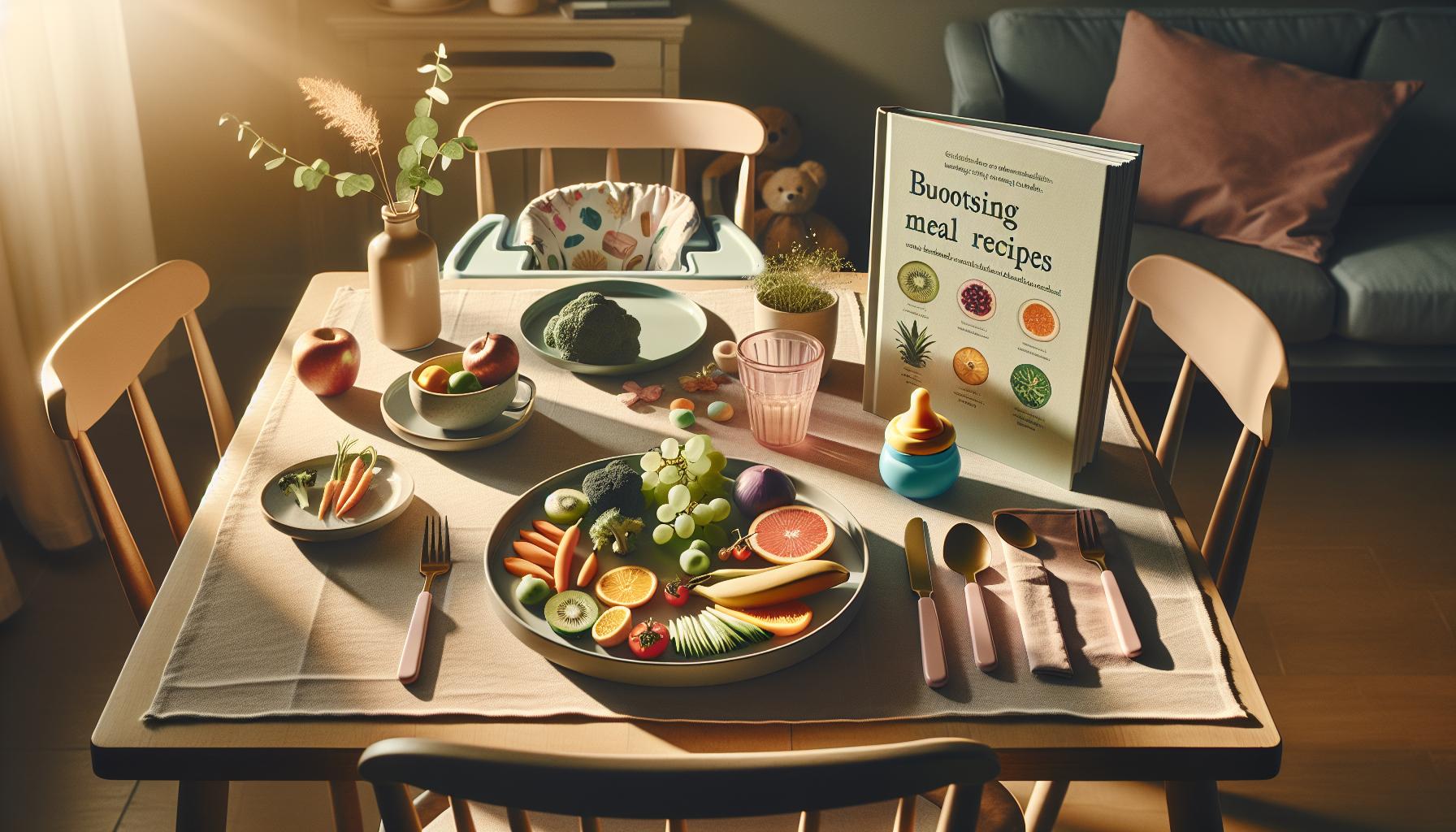
How to Make Healthy Snacks Fun and Appealing
Making nutritious snacks enjoyable is essential, especially when aiming to support a toddler’s health and weight gain. engaging kids in the kitchen can turn a simple snack into an adventure, encouraging them to try new flavors and understand the importance of healthy eating. Presenting snacks in fun, visually appealing ways not only captures their attention but also stimulates their curiosity about different foods.
Colorful Presentation
One effective strategy is to create vibrant, colorful snacks. Use a mix of fruits and vegetables to make the plate visually appealing. For example, you could prepare a fruit rainbow with strawberries, oranges, bananas, and blueberries. Combining textures—like crunchy veggie sticks alongside creamy dips such as hummus or yogurt—can also make snacking more exciting.
Creative Shapes are another way to enhance snack appeal. Use cookie cutters to turn sandwiches, fruits, and cheeses into fun shapes.This simple twist can transform an ordinary snack into something fantastic. Here are some examples of easy snacks:
- Egg muffins with diced vegetables
- Peanut butter and banana sushi rolls
- Vegetable sticks shaped like animals, paired with dip
Fun and Interactive Snacks
interactive snacks allow children to create their combinations, fostering a sense of ownership and creativity. Prepare a DIY yogurt parfait station with yogurt, granola, and various toppings like fruits, nuts, and honey. This way, toddlers can build their treats just the way they like them. Additionally, consider a build-your-own snack board featuring nuts, cheese cubes, and whole-grain crackers, encouraging them to create their platter.
Also, storytelling can add an extra layer of fun. As you prepare the snacks, weave imaginative tales about the foods. For example, describe a “berry adventure” where the blueberries are explorers and the strawberries are vibrant cities they visit. This narrative approach can make healthy eating more relatable and memorable.
By incorporating these engaging techniques while exploring the strategies discussed in “How to Get Toddler to Gain Weight: Nutrition Tips for Single Parents,” you can make healthy snacks an exciting part of your child’s day. Remember, the goal is not only to provide nutritious options but to create a joyful eating experience that encourages healthy habits for life.
Strategies for Mealtime Success in a Busy Household
In the whirlwind of managing a busy household, mealtime can often feel like a chaotic battle rather than a nurturing experience. However, creating a structured and enjoyable mealtime routine is crucial, especially when focusing on how to help your toddler gain weight. This involves not just the nutritional aspects but also fostering an habitat where your child feels secure and encouraged to eat. Effective strategies can transform mealtimes into triumphant, engaging experiences that promote better eating habits and nutritional intake.
establishing a Routine
Setting a predictable schedule for meals and snacks is essential.Try to serve three balanced meals and two healthy snacks every day at the same times. This consistency helps your toddler understand when to expect food, reducing anxiety around mealtimes. During these meals, keep distractions to a minimum by turning off the TV and putting away electronics. Engage your toddler in conversation to make mealtime a social, enjoyable event.
Incorporating Nutritious Foods
Ensure that you include a variety of nutrient-dense foods that are appealing to toddlers. These can include:
- Fruits and Vegetables: Offer smoothies, fruit cups, or veggie sticks with healthy dips.
- Protein: Introduce foods like yogurt, cheese, eggs, and legumes that are rich in protein.
- Whole Grains: Opt for whole grain bread,pasta,and cereals that provide essential energy and fibers.
To give you an idea of how to combine these elements effectively, consider the following table:
| Meal | Food Items | Benefits |
|---|---|---|
| breakfast | Oatmeal with fruit, yogurt | High in fiber and energy |
| Snack | Veggie sticks with hummus | Rich in vitamins and protein |
| Lunch | Whole grain wrap with turkey | Great source of protein |
| Dinner | Grilled chicken with quinoa and veggies | Balanced meal with carbs, proteins, and fibers |
Encouraging Participation
Another effective approach to making mealtimes successful is involving your toddler in the process. Allow them to help with simple tasks, such as washing vegetables or stirring ingredients. This not only teaches valuable life skills but also fosters a sense of ownership over their food choices.When children feel involved, they are often more willing to try new foods.
Incorporating these strategies can significantly enhance your chances of ensuring that your toddler is not just eating, but eating well. By focusing on a balanced routine, nutritional variety, and active participation, you will support your child’s growth journey while navigating the challenges of single parenting.
Incorporating Healthy fats and Proteins into Your Toddler’s Diet
To support healthy weight gain in toddlers, incorporating adequate amounts of healthy fats and proteins into their diet is essential. Both macronutrients play a crucial role in brain development, energy levels, and overall growth during this formative stage. For single parents looking for effective strategies,understanding the types of fats and proteins that can be seamlessly added to meals can make a significant difference.
Healthy Fats: Fuel for Growth
Including healthy fats in your toddler’s meals not only enhances flavor but also provides necessary calories for growth. Focus on sources of unsaturated fats,which are beneficial for heart health and brain function. The following foods are excellent choices:
- Avocado: Smooth and creamy, avocado can easily be mashed and spread on whole-grain toast or blended into smoothies.
- Nuts and Nut Butters: Peanut butter, almond butter, or cashew butter are nutritious options. Spread them on fruit slices or whole-grain crackers for a tasty snack.
- Oils: Olive oil or avocado oil can be drizzled over cooked vegetables or used in salad dressings to add healthy fats.
- Fatty Fish: Incorporating salmon or mackerel into meals provides omega-3 fatty acids, crucial for cognitive development.
Protein Power: Building Blocks of Nutrition
Proteins are vital for muscle development and repairing tissues.They can be included in meals through various sources. Here are some practical options to consider:
- Beans and Legumes: Lentils, chickpeas, and black beans are excellent protein sources that can be served in soups, salads, or as spreads.
- Dairy Products: Yogurt, cheese, and cow’s milk (or fortified plant-based alternatives) offer protein and critically important nutrients.
- Eggs: A versatile protein choice, eggs can be scrambled, boiled, or made into omelets with veggies for added nutrition.
- Lean Meats: Chicken,turkey,or lean cuts of beef can be seasoned and baked or grilled,providing a hearty meal option.
| Food Item | Type of Nutrient | How to Serve |
|---|---|---|
| Avocado | Healthy Fat | Mashed on toast or added to smoothies |
| Peanut Butter | Healthy Fat & protein | Spread on fruit or whole-grain crackers |
| Fatty Fish | Healthy Fat | Served baked or grilled |
| Lentils | Protein | In soups or salads |
Incorporating these nutrient-dense foods into your toddler’s diet is important for those focusing on how to get their toddler to gain weight effectively. Not only will these healthy fats and proteins help in weight gain, but they also contribute to your child’s overall health and development, making mealtime enjoyable and nutritious.
Choosing Nutrient-Dense Foods That Toddlers Love
When it comes to helping toddlers thrive, selecting the right foods can make a significant difference, especially for parents aiming to boost their child’s weight in a healthy manner. Nutrient-dense foods not only provide essential vitamins and minerals, but they also help maximize calorie intake with minimal volume, making them perfect for small appetites. Incorporating a variety of these foods into your toddler’s diet can lead to more balanced nutrition and set the foundation for healthy eating habits in the future.
Essential Nutrient-Dense Foods
Focus on foods that are rich in nutrients yet appealing to young palates. Here are some toddler-pleasant options that can contribute significantly to weight gain:
- Avocado: Creamy and rich in healthy fats,avocados can be mashed on toast or blended into smoothies.
- Nut Butters: Peanut or almond butter spreads can add protein and calories. Serve on whole-grain bread or with apple slices.
- Full-Fat Dairy: Yogurt and cheese made from whole milk not only provide calcium but also extra calories.
- Eggs: Packed with protein and healthy fats, eggs are versatile and can be scrambled, poached, or made into omelets.
- Quinoa: This grain is high in protein and fiber and can be served as a side dish or added to salads.
creating Balanced Meal Options
To make meals more appealing, consider combining these nutrient-dense foods into fun and colorful dishes. For example, a quinoa salad mixed with diced vegetables and a sprinkle of cheese can provide essential nutrients while being visually enticing for your toddler. Additionally, preparing snacks like yogurt parfaits layered with fruits and nut butter not only boosts caloric intake but also introduces new textures and flavors they might enjoy.
Implementing Consistent Meal Times
Establishing a consistent eating schedule is crucial. Consistently offering meals and snacks at regular times throughout the day encourages toddlers to learn when to eat. This approach, paired with nutrient-dense foods, can motivate them to consume the calories they need for healthy weight gain.
By integrating these strategies grounded in the principles outlined in “How to Get Toddler to Gain Weight: Nutrition Tips for single Parents,” nurturing a toddler’s love for healthy, calorie-rich foods becomes an attainable goal. Every small step, such as making meals colorful and inviting, can lead to a more nutritious intake essential for growth.
Tips for Overcoming Picky Eating Habits
Feeding toddlers can be a challenging experience, especially when it comes to picky eaters. Many parents face the frustration of a child who refuses to try new foods, which can hinder healthy weight gain. Interestingly, research shows that it frequently enough takes multiple exposures—around 8 to 10 tries—before a child may accept a new food [[2]]. This means that persistence and creativity in the kitchen are key tools for parents aiming to expand their child’s diet.
Make Meals Fun and Engaging
Creating a positive mealtime environment can significantly impact a toddler’s willingness to try new foods. Incorporating playful elements into meals, such as arranging food in fun shapes or using colorful plates, can make mealtime exciting. You might even involve your child in the cooking process; let them help wash vegetables or choose a recipe. Active participation can make them more interested in trying what they’ve helped prepare.
Pair Familiar with New Foods
When introducing a new food, try serving it alongside something your toddler already enjoys. This strategy leverages their existing preferences and eases them into trying something new. According to the guidelines from various experts, minimizing pressure during mealtime is also crucial. Encourage tasting without forcing it, allowing your child to explore different flavors at their own pace [[1]].
Be Patient and Consistent
As tempting as it is to offer only what they will eat,it is essential to continue presenting a variety of foods. Consistency not only helps to expand their palate but also builds a routine that recognizes mealtime as a healthy and enjoyable part of their day. Limit distractions during meals, such as screens or toys, to help them focus on eating.If your child refuses a new food,don’t be discouraged; simply try again later.
| Tip | Description |
|---|---|
| Make It fun | Use playful presentation and involve your child in cooking. |
| Pair Foods | Serve new foods with favorites to encourage tasting. |
| Stay patient | Continue offering a variety and avoid pressure. |
With these strategies focused on overcoming picky eating habits, parents can foster a more positive relationship with food, essential for both enjoyment and healthy weight gain. Transitioning a toddler from picky eating to a more varied diet takes time, but with creativity, patience, and consistency, it’s a goal that can be achieved.
When to Seek professional Guidance on Your Toddler’s Weight Gain
Ensuring that your toddler is gaining weight appropriately can frequently enough feel like a balancing act, especially for single parents who are juggling multiple responsibilities. It’s essential to recognize when typical strategies might not be sufficient and professional guidance is necessary.If your toddler consistently refuses to eat,shows signs of discomfort while eating,or has a significant decrease in appetite over an extended period,it may indicate underlying issues that deserve attention.
Indicators for Professional Help
Consider seeking the expertise of a healthcare provider if you notice any of the following signs in conjunction with your child’s weight concerns:
- Stagnant Growth: If your toddler’s growth remains steady but their weight does not increase as was to be expected, a healthcare professional can assess their growth patterns and overall health.
- Unexplained weight Loss: If your child loses weight without any change in diet or activity level, it is indeed crucial to consult a pediatrician.
- Persistent Gastrointestinal Issues: Symptoms such as frequent vomiting, diarrhea, or constipation can drastically affect a child’s ability to gain weight and may require medical intervention.
- Lack of energy: If your toddler appears lethargic or uninterested in play and other activities, this might potentially be a sign of medical concerns that need evaluation.
Additionally,family dynamics and stressors can significantly influence a child’s eating habits and overall health. If parenting challenges lead to anxiety around mealtimes or if you feel overwhelmed by the duty of your child’s nutritional needs, consulting with a pediatric dietitian or therapist could offer valuable strategies and support.
When to Consult Specialists
An interdisciplinary approach might potentially be beneficial in certain specific cases. Along with a pediatrician, consider engaging with these professionals:
- Pediatric Gastroenterologist: For children experiencing digestive issues that hinder weight gain.
- Pediatric Nutritionist: To develop a personalized meal plan that tailors to your toddler’s specific needs and preferences.
- Child Psychologist: If emotional or behavioral issues are contributing to an unhealthy relationship with food.
With timely intervention and the proper support,parents can navigate the complexities of ensuring their child’s nutritional needs are met,turning a challenge into an opportunity for healthier habits. Always remember that every child is unique, and what works for one may not work for another; thus, professional insights can pave the way for effective and sustainable solutions.
FAQ
How can I get my toddler to gain weight effectively?
To help your toddler gain weight, focus on providing energy-dense foods and offer regular snacks throughout the day. encourage meals that include healthy fats like avocado and nut butters.
Incorporating foods that are both calorie-rich and nutritious is crucial. As an example, whole milk, cheese, and Greek yogurt are excellent options. Additionally, avoid letting your toddler fill up on beverages, as this can limit their appetite for solid foods. For more tips, check out our resource on healthy weight gain in toddlers.
What are some nutrition tips for encouraging weight gain in toddlers?
Offering nutrient-dense snacks between meals can significantly increase your toddler’s calorie intake. Focus on foods like dried fruits, full-fat yogurt, and nut-based snacks.
Another effective method is to make meals fun and engaging. Try to involve your toddler in food preparation or let them choose between healthy options. This boosts their interest and willingness to eat. Don’t forget to consult your pediatrician or a nutritionist for personalized strategies!
Why does my toddler struggle with weight gain?
Several factors may contribute to a toddler’s difficulty in gaining weight, including their metabolism, activity level, and overall health. Some toddlers may naturally have a higher metabolism.
Consider any underlying health conditions or dietary restrictions that could be affecting their appetite. Keeping a food diary can help identify eating patterns, and consulting with a pediatric dietitian may provide tailored advice and practical solutions.
Can I use toddler formula to help with weight gain?
yes, using toddler formula can be beneficial for supporting weight gain, especially if your child is a picky eater. These formulas are designed to provide extra calories and nutrients.
When incorporating toddler formula, ensure it complements rather than replaces whole foods in their diet. Always consult with your pediatrician before making any major changes to your toddler’s diet to ensure it meets their nutritional needs.
How often should my toddler eat for healthy weight gain?
For healthy weight gain, toddlers should eat multiple small meals and snacks throughout the day, typically 5 to 6 times. This approach helps maintain energy levels and encourages steadier weight gain.
Establishing a routine can also create an environment where your toddler feels pleasant eating. Incorporate a variety of flavors and textures to make meals engaging and rewarding.
What role do healthy snacks play in a toddler’s diet for weight gain?
Healthy snacks play a crucial role in providing the additional calories needed for weight gain. They help bridge the gap between meals and offer a source of essential nutrients.
Incorporate snacks like cheese cubes, nut butter on whole grain crackers, and smoothies made with milk and fruits.These not only promote weight gain but also introduce a range of nutrients into your toddler’s diet.
What can I do if my toddler refuses to eat?
If your toddler refuses to eat, maintain a calm and patient approach. Sometimes, children go through phases where they are less interested in food, which is normal.
Try to create a positive mealtime environment,and offer a variety of foods without pressure. Encourage gentle exploration of new foods,but if concerns persist,consult with a pediatric dietitian for personalized strategies tailored to your child’s needs.
Closing Remarks
When it comes to helping your toddler gain weight, remember that you’re not alone on this journey. Providing three nutritious meals and two healthy snacks daily can create a solid foundation for their growth. Focus on energy-dense foods like nuts, avocados, and whole grains to pack in those essential calories without overwhelming their little stomachs[1[1].
It’s equally important to allow your child to be active and engaged, as this will stimulate their appetite. Offer meals every 2-3 hours and avoid letting them fill up on beverages beforehand, which can dampen their hunger[2[2].
If you’re navigating slow weight gain, remember that every child is different; some may need a bit more time to reach their nutritional goals. supplementing with vitamins can help address any gaps in their diet, but they won’t directly contribute to weight gain[3[3].As you take these steps, trust in your ability to nurture and support your child’s growth. Continue to explore resources, seek advice from fellow parents, and reach out to healthcare professionals when needed.You’re doing a remarkable job, and every small effort counts. Keep learning, keep connecting, and know that you’re not alone in this parenting journey!


