


Navigating the journey of raising a toddler as a single parent can feel overwhelming, especially when it comes to fostering their growth and learning. Discover effective strategies that not only boost your child’s advancement but also empower you as a caregiver. These simple yet impactful tricks can make a world of difference in your toddler’s early years.
Building a Supportive Routine: The Foundation of Your Toddler’s Growth
Creating a nurturing environment is integral to your toddler’s growth, especially for single parents striving to foster holistic development.Establishing a supportive routine not only helps toddlers feel secure but also significantly enhances their learning and social skills. Toddlers thrive on predictability; knowing what comes next helps reduce anxiety and encourages independent exploration.
Crafting Daily Routines
To build an effective daily routine, consistency is essential. Here are key components to include:
- Regular Wake-up and Bedtime: Set a specific time for your child to wake up and go to bed, allowing them to develop healthy sleep patterns.
- Meal Times: Schedule meals around the same time each day; this creates a sense of stability and helps toddlers understand the structure of their day.
- Playtime and Learning: Dedicate time for both free play and structured activities that promote cognitive, physical, and social skills.
- Quiet Time: Incorporate periods for relaxation, such as reading or quiet play, helping toddlers learn to calm down and recharge.
By integrating these elements into a daily schedule, single parents can enhance their toddler’s overall growth. let’s take a closer look at how a balanced routine can be practically applied.
| Time | Activity | benefits |
|---|---|---|
| 7:00 AM | Wake-up and Breakfast | Establishes a morning routine and energy for the day ahead. |
| 9:00 AM | Learning Activity (Crafts or Numbers) | Stimulates creativity and cognitive skills. |
| 11:00 AM | Outdoor Play | Encourages physical development and social interaction. |
| 1:00 PM | Quiet Time (Books or Puzzles) | Promotes calmness and concentration skills. |
| 3:00 PM | Snack and Free Play | Provides nourishment and encourages independent play. |
| 6:30 PM | Dinner and Family Time | Strengthens family bonds and communication skills. |
| 8:00 PM | Bedtime Routine (Bath, Storytime) | Signals the end of the day and prepares for sleep. |
In addition to structured activities, versatility within the routine is equally important. Life as a single parent can be unpredictable, and your routine may need adjustments. Allowing room for spontaneity encourages adaptability, a crucial skill for any child’s development. By finding the right balance between consistency and flexibility, you’ll create an enriching environment where your toddler can flourish.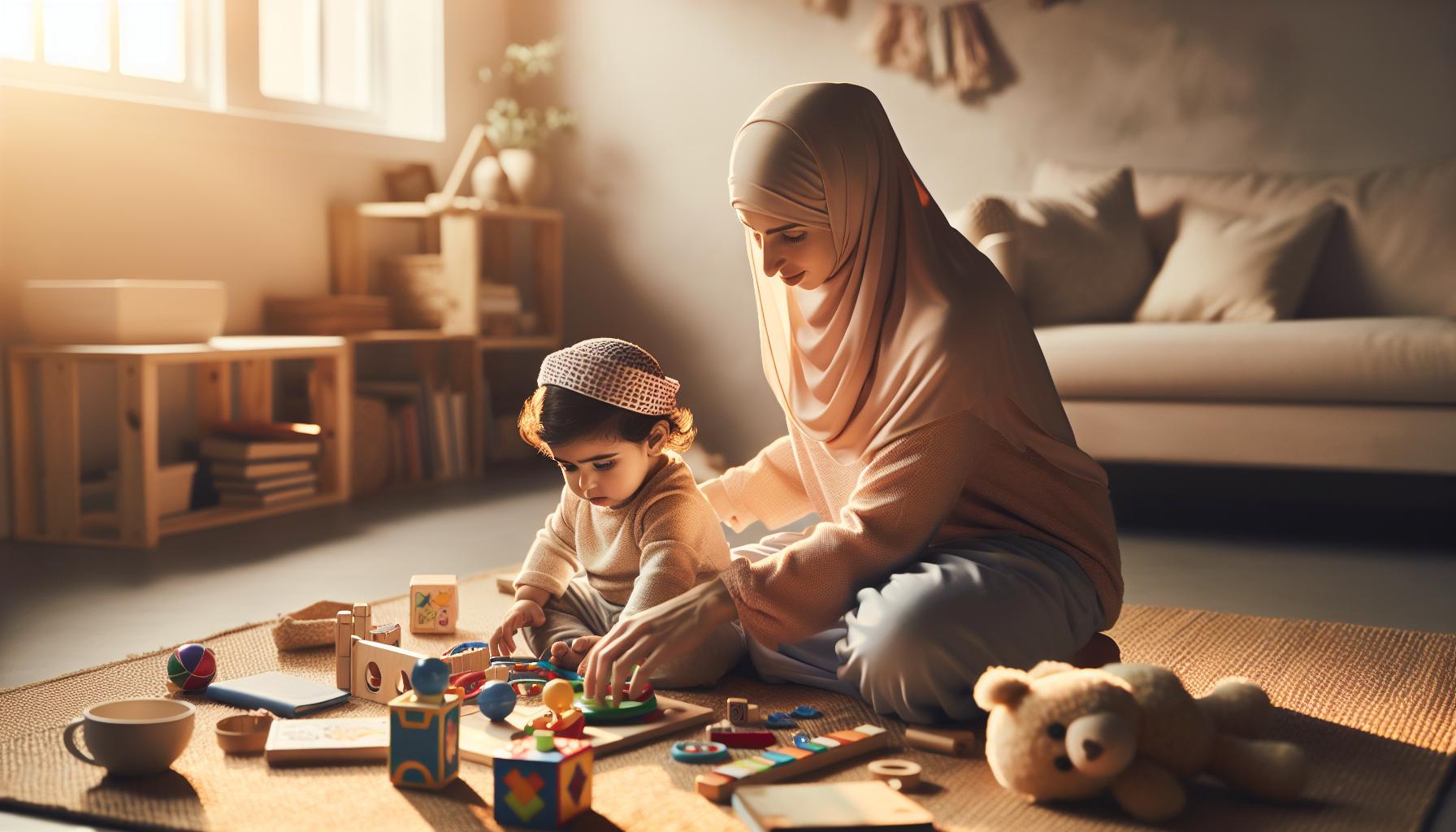
Creative Play Ideas to Boost Development at Home
engaging in play is not just fun; it’s a pivotal part of your toddler’s development. Research showcases that children learn best through creative play, which allows them to explore their environments, practice new skills, and develop their imaginations. With the right activities, single parents can foster an enriching atmosphere at home, creating meaningful experiences that promote growth across various developmental domains.
Make-Believe Adventures
Imaginative play is crucial for language and social skills. Simple props around the house can transform ordinary experiences into unusual adventures. Encourage your toddler to engage in role-playing with items like:
- Old clothes for costumes
- Boxes as cars, boats, or spaceships
- Kitchen utensils for cooking pretend meals
As a notable example, create a “restaurant” where your child can take orders. Not only does this stimulate social interaction, but it also broadens their vocabulary as they learn to communicate in different roles.
Hands-On Craft Projects
Crafting activities provide an avenue for your toddler to express creativity while enhancing fine motor skills. Set up a dedicated crafting space with safe supplies:
- Crayons and washable markers
- Child-safe scissors and glue
- Papercraft materials, such as construction paper and recycled items
Consider a weekly themed craft project that relates to a book or lesson you’re focusing on. Such as, if reading “The Vrey Hungry Caterpillar,” engage your child in creating caterpillar art using colorful paper circles, transforming the story into visual creativity and reinforcing comprehension.
Outdoor Exploration
Outdoor play is crucial for physical and cognitive development. Set aside time for outings to local parks or even your backyard to explore nature.Simple activities include:
- Nature scavenger hunts to learn about different plants and animals
- Building sandcastles or fortifying structures with natural elements
- Kickball or tag to enhance gross motor skills
Encourage your child to collect engaging items like leaves or rocks, then discuss their findings together.This exploration fosters curiosity and lays the foundation for early science education.
Interactive Learning Games
Utilizing educational games at home can greatly enhance your toddler’s cognitive skills while keeping them entertained. Here are some engaging options:
| Game | Skills Enhanced | Materials Needed |
|---|---|---|
| memory Match | Memory and Concentration | Homemade cards or store-bought game cards |
| Simon Says | Listening & Following Directions | No materials needed |
| Puzzle Building | Problem-Solving | Age-appropriate puzzles |
By incorporating these games into your routine, you can create a dynamic learning environment that supports your child’s developmental milestones effectively.
The beauty of these activities lies in their flexibility—tailor them to fit your unique family dynamics and watch your toddler thrive as they learn, grow, and play.
Nurturing Independence: Encouraging Self-Help Skills in Toddlers
Fostering independence in toddlers is not just about encouraging them to do tasks on their own; it’s about empowering them to navigate their world with confidence. This essential aspect of development can begin at an early age, particularly when you adopt some effective strategies. For single parents,applying specific tricks can considerably enhance your child’s self-help skills while ensuring they feel supported and guided.
Practical Steps to Encourage Self-Help Skills
Creating an environment that encourages independence is vital. Start by giving toddlers the chance to engage in self-feeding, which not only improves their motor skills but also boosts their confidence. Here are some simple techniques to promote this:
- Offer Finger Foods: Begin with easy-to-grasp finger foods, such as small pieces of soft fruits or cooked vegetables. This builds their interest in self-feeding from early infancy.
- Use Child-Sized Utensils: Equip your toddler with appropriately sized forks and spoons to facilitate their ability to feed themselves effectively.
- Create a Mess-Pleasant Environment: Allowing freedom to experiment with food can make the experience enjoyable. Cover surfaces with a washable tablecloth to minimize cleanup stress.
build Routines Around Self-Care
Another crucial area for developing independence lies in self-care routines. Regularly involving your child in simple tasks can be incredibly beneficial. Such as, allow them to assist in dressing by picking out their clothes or learning to put on simple items like socks or shoes.
Here’s a suggested routine that you can adapt:
| Activity | Age-Appropriate Task |
|---|---|
| Brushing Teeth | Let them practice holding the toothbrush and applying toothpaste. |
| Picking Out clothes | Encourage them to choose between two outfits. |
| Washing Hands | Teach them to wash hands independently with supervision. |
Engaging in these routines not only helps toddlers learn about personal hygiene but also reinforces their ability to care for themselves. Celebrating small achievements, like successfully getting dressed, can further motivate them to embrace independence.
Incorporating these guided practices into daily life transforms mundane activities into opportunities for growth. Single parents can take an active role in their toddler’s independence while still providing reassurance and support,making every step a learning experience. Embracing these strategies is not only a critical part of the developmental process but also aligns with the principles outlined in resources like “Single Parent Tricks: Accelerating Your Toddler’s Development.”
The Power of Connection: Strengthening Your Bond Through Everyday Moments
In the fast-paced world of parenting, especially for single parents, it’s easy to overlook the significance of tiny, daily interactions with your toddler. Did you know that these everyday moments can significantly impact your child’s emotional and cognitive development? engaging with your little one in seemingly mundane activities can create powerful connections that foster growth, security, and learning. Recognizing the importance of these moments is a savvy strategy that complements your efforts in raising a well-rounded child, as highlighted in the insightful resource, *Single Parent Tricks: accelerating Your Toddler’s Development*.
Embrace Everyday Activities
Transform routine tasks into bonding opportunities. Everyday activities, such as meal preparation or bathing, can serve as effective platforms for communicating with your child. Here are some simple ways to integrate developmental moments into daily routines:
- Cooking Together: invite your toddler to help with age-appropriate tasks like washing vegetables or stirring batter. This not only develops their motor skills but also creates a fun learning environment to discuss colors, shapes, and flavors.
- Story Time: Make reading part of your bedtime ritual. Choose engaging, age-appropriate books and encourage your child to talk about the pictures or relate them to their experiences, enhancing vocabulary and comprehension.
- Play Sing-Alongs: Singing nursery rhymes or children’s songs can enhance your child’s language skills and rhythm while allowing for playful interaction. This also establishes a sense of security and warmth in your relationship.
Mindful Presence in Moments
being fully present in your interactions is paramount. When you focus on the moment, your child feels valued and understood. Practice active listening and encouraging their expressions, whether their excitement over learning a new word or frustration with a toy. This not only strengthens your bond but also aids in their emotional development. Here are effective techniques to enhance presence:
- Ask Open-Ended Questions: Instead of yes-or-no questions, encourage your child to share their thoughts and feelings. This promotes dialogue and strengthens their confidence in verbal communication.
- Mirror Emotions: Acknowledge your child’s feelings by mirroring their expressions.If they are excited, share in their joy; if they are upset, validate their feelings. This teaches empathy and emotional intelligence.
Creating Routine Traditions
Establishing family traditions,even the most minor ones,can significantly enhance your connection. They provide a sense of stability and predictability in your child’s life. Consider implementing some of the following traditions:
| Tradition | Description |
|---|---|
| Weekly Family Game Night | Dedicate one evening a week to play engaging board games or interactive activities. This encourages teamwork and social skills. |
| Monthly Adventure Day | Explore a new park, museum, or local event each month to create lasting memories and stimulate curiosity. |
| Daily Gratitude Ritual | Each evening, share one thing you each appreciated that day. This instills a sense of positivity and gratitude. |
Integrating these practical strategies into your daily life can not only enhance your toddler’s development, as detailed in the *Single Parent Tricks: Accelerating Your Toddler’s Development*, but also forge a deeper, more meaningful connection within your family. Everyday moments hold the potential to nurture a supportive and enriching environment where both you and your child can thrive together.
Learning through Interaction: Engaging Activities for cognitive Development
Engaging your toddler through interactive activities is crucial for boosting their cognitive development. Research shows that toddlers learn best through play and hands-on experiences, which allows them to explore, ask questions, and develop problem-solving skills. As a single parent, incorporating stimulating activities into your daily routine can ease the challenges of parenting while enhancing your child’s intellectual growth.
Hands-On Learning Activities
One effective way to foster cognitive skills is through engaging, hands-on learning activities. These can be simple yet impactful,integrating everyday items that most households already possess. Here are some ideas you can easily adapt:
- Sorting Games: Use items like buttons,pebbles,or colored blocks for sorting based on color,size,or shape. This activity promotes categorization skills and enhances critical thinking.
- Puzzle Time: Choose age-appropriate puzzles that encourage problem-solving and spatial awareness. Work together to complete them,discussing strategies as you go.
- Building Blocks: Encourage creativity with building blocks or other construction toys. This not only strengthens fine motor skills but also introduces basic engineering concepts.
- Nature Walks: Take your toddler on a walk to explore the outdoors. Collect leaves, rocks, or flowers, and discuss their properties, colors, and sizes to boost observational skills.
Interactive language Development
Encouraging language skills in young children is essential. Here are some interactive tricks for promoting vocabulary growth and comprehension:
- Read Together Daily: Choose a variety of books to read aloud. Discuss the story, ask open-ended questions, and encourage your toddler to predict what happens next.
- Sing Songs and Rhymes: Incorporate songs, movements, and rhymes into your daily interactions. This not only makes learning fun but also improves memory and language skills.
- Role play: Set up simple role-playing scenarios where your toddler can mimic real-life situations. This encourages imaginative play and enriches vocabulary through context.
Exploratory Play for Problem Solving
exploratory play is essential for a toddler’s problem-solving abilities. Activities that stimulate curiosity and encourage experimentation can be easily woven into your daily life.
– Create a mini science lab with simple experiments like mixing vinegar and baking soda. Discuss the cause-and-effect relationship that arises from this safe, fun science activity.
– Setting up a treasure hunt using clues improves critical thinking as toddlers learn to sequence and decode hints to find the treasure.
| activity | Developmental Skill | Materials Needed |
|---|---|---|
| Sorting Games | Categorization | Buttons, pebbles, colored blocks |
| Puzzle Time | Problem-Solving | Age-appropriate puzzles |
| building Blocks | Spatial Awareness | Building blocks or construction toys |
| Nature Walks | Observation | Natural items (leaves, rocks) |
Implementing these interactive activities not only accelerates your child’s cognitive development but also strengthens your bond as a caregiver. As you explore, learn, and grow together, you’ll both gain invaluable tools for navigating the world of learning that lies ahead.
Balancing Screen Time: Making Smart Choices for Your Child’s Growth
In today’s digital age, where screens are an integral part of daily life, finding the right balance in screen time is crucial for healthy child development. Studies have shown that excessive screen use can interfere with important developmental stages,leading to issues in attention span,social skills,and even physical health. As parents, especially single parents juggling multiple responsibilities, being mindful of how screen time is managed can significantly impact your child’s growth and learning journey.To cultivate a healthier relationship with technology, consider implementing structured screen time that encourages learning and creativity while preventing mindless consumption. Here are some strategies that can help:
Set Clear Boundaries
Establishing specific guidelines around when and how long your child can use screens is vital. This might include:
- limiting screen time to 30 minutes to 1 hour per day for toddlers, aligning with recommendations from pediatric experts.
- Creating tech-free zones in the home,such as bedrooms and during meals,to encourage family interaction.
- Designating specific times of the day for screen use, ensuring it doesn’t interfere with physical activity or bedtime routines.
Focus on Quality Content
Not all screen time is created equal. Opting for high-quality educational programming can have a critically important positive impact on your child’s cognitive growth. Look for:
- interactive apps and programs that promote problem-solving and creative thinking.
- Documentaries and shows that cater to your child’s interests while also being age-appropriate.
- Online resources and platforms that provide guided learning experiences, such as virtual classes or storytelling sessions.
Encourage Active participation
Transform passive screen time into interactive experiences. Engage your child with devices together—play educational games,watch shows and discuss the content,or even create digital art together. This involvement not only enhances learning but also strengthens your bond.
Monitor and Reflect
As part of the Single Parent Tricks: Accelerating Your Toddler’s Development approach,regularly assess how screen time affects your child’s behavior and attitudes. Keeping a journal or discussing observations can help identify patterns or changes in your child’s mood, social interactions, and learning ability. Adjust the screen time rules as necessary to ensure they continue to support your child’s developmental needs.
By thoughtfully integrating technology into your child’s daily routine, you can harness its benefits while minimizing potential drawbacks. This balanced approach not only fosters healthy growth but also empowers your child with essential skills they’ll carry into the future.
Celebrating Milestones: Understanding and Supporting Your Toddler’s Progress
Recognizing and celebrating your toddler’s milestones is not just a way to share joy; it’s an essential practice that nurtures their development. Each small achievement, whether it’s taking their first steps or uttering new words, plays a critical role in building their confidence and sense of security. For single parents, understanding and supporting these milestones can be both a rewarding and enriching journey, as they help foster a deeper bond with their child while ensuring optimal growth.
Milestones Matter
Every toddler develops at their own pace, but certain milestones can provide a helpful roadmap for parents. According to numerous child development experts, key areas to monitor include physical, cognitive, language, and social-emotional growth. Here’s a basic overview of what to keep an eye on:
| Milestone Type | Typical Age Range | Supporting Actions |
|---|---|---|
| Physical | 12-24 months | Encourage active play, provide safe spaces to explore. |
| Cognitive | 12-30 months | Engage in puzzle games, promote problem-solving activities. |
| Language | 12-36 months | Read daily, expand vocabulary by naming objects and actions. |
| Social-Emotional | 12-36 months | Play with peers, model sharing and empathy. |
encouraging Further Development
Single parent tricks to accelerate your toddler’s development include engaging them in playful activities that relate to their developmental stage. For example, if your child is practicing walking, set up fun obstacle courses with soft cushions or toys to motivate them. Use music and dance as an chance to enhance their motor skills while having fun together.
It’s also crucial to celebrate achievements, no matter how small. Praise can be a powerful tool; it reinforces positive behavior and encourages toddlers to strive for new goals. Use specific feedback such as “Great job standing all by yourself!” to make your child feel seen and appreciated. by integrating these moments of recognition into your routine, you’re not just celebrating milestones; you’re actively participating in their growth journey, which aligns perfectly with effective strategies for single parenting.
By creating a nurturing atmosphere focused on celebrating these milestones,you pave the way for your toddler’s ongoing development and strengthen the bond you share. Embrace each step of the journey, as it offers unique opportunities for learning, connection, and treasured memories.
FAQ
What is ‘Single Parent tricks: Accelerating Your Toddler’s Development’?
‘Single Parent Tricks: Accelerating Your Toddler’s Development’ refers to strategies that single parents can use to enhance their toddler’s growth and learning. These tricks focus on making developmentally appropriate activities fun and engaging while managing the unique pressures of single parenting.
Effective tricks may include incorporating play into daily routines, engaging in storytelling, and encouraging exploration. These methods not only promote cognitive and emotional development but also strengthen the bond between parent and child.
How can I use daily routines to accelerate my toddler’s development?
Creating structured yet flexible daily routines can significantly boost your toddler’s development. Consistency helps toddlers feel secure, while varied activities keep them engaged.
Such as, establishing a morning ritual with song and movement encourages language development, while designated playtime fosters creativity. Engage your toddler with questions during these routines to promote critical thinking and interaction.
Why does play matter in accelerating a toddler’s development?
Play is fundamental to a toddler’s growth as it promotes social, emotional, and cognitive skills. Through play, children learn to solve problems, communicate, and understand their environment.
Incorporate play-based learning by introducing educational toys or games that stimulate curiosity and creativity. Remember, it’s not just fun; play is one of the most effective tools for learning and development.
can I enhance my toddler’s speech development at home?
Yes,enhancing your toddler’s speech development at home is completely achievable! Engage in frequent conversations,read together,and encourage storytelling to build their vocabulary and confidence.
Use everyday moments as opportunities to introduce new words. As an example, while cooking, name ingredients and describe actions. This interactive approach enriches their learning experience,making it enjoyable and effective.
What are some quick tips for single parents to support emotional development?
Single parents can support their toddler’s emotional development through consistent affection and open communication. Show love through physical touch and kind words to foster a safe emotional environment.
Additionally, encourage your child to express feelings by labeling emotions during conversations. This practice creates emotional awareness and resilience,equipping them with tools to manage challenges later in life.
How important is social interaction for my toddler’s development?
Social interaction is crucial for your toddler’s development, fostering essential skills such as empathy, sharing, and collaboration. Regularly arranging playdates or group activities can enhance these skills.
monitor their play interactions to ensure they’re learning and growing from each experience. Social settings can build confidence and help your toddler navigate different emotions, preparing them for future relationships.
Can technology play a role in accelerating my toddler’s development?
Yes, technology can be beneficial when used wisely! educational apps and interactive videos can enhance learning through engaging content, supporting areas like literacy and numeracy.
however, it’s essential to balance screen time with active play and direct interaction. Consider setting limits and choosing high-quality, age-appropriate resources to ensure your toddler benefits from technology without overstimulation.
The Conclusion
As we wrap up our exploration of “Single Parent Tricks: Accelerating Your Toddler’s Development,” remember that every little step you take can have a significant impact on your child’s growth. The tools and techniques shared here are not just strategies; they are your allies in navigating the beautiful,messy journey of parenting. Embrace the moments of play and learning—they’re precious opportunities for connection and development.
Rely on your instincts, trust your unique strengths as a single parent, and know that you’re not alone in this journey. Your love and dedication are the greatest gifts you can offer your child. Don’t hesitate to seek out community support, whether it’s connecting with fellow parents or exploring resources that resonate with you. each challenge you face is also a chance to learn and grow,both for you and your little one.
Keep exploring, asking questions, and celebrating the small victories. Here’s to fostering a nurturing environment where both you and your toddler can thrive! You’re doing an incredible job,and the journey ahead is bright. Stay curious, stay engaged, and most importantly, stay connected—both with your child and with a community of supportive parents.


