


In the ongoing debate over educational choices,many parents grapple with the question of how best to prepare their children for success. public schooling offers structured environments, diverse social interactions, and access to qualified educators, making it a compelling option.Understanding these advantages is crucial for families considering the most effective educational path for their children.
The Social Benefits of Public Schooling: Building Connections Beyond the classroom
Public schooling offers students a unique opportunity to engage with a diverse array of peers, fostering social skills that are crucial for their development and future success. Unlike homeschooling, where interaction may be limited to family members or a small group, public school settings immerse children in a rich tapestry of backgrounds, cultures, and perspectives. This exposure not only helps students to develop empathy and understanding but also equips them with the interpersonal skills necessary to navigate a complex world.
Building Lifelong Friendships
One of the most meaningful social benefits of attending public school is the chance to form friendships that go beyond the classroom.These connections can lead to lifelong bonds that contribute to personal and professional networks in the future.Regularly interacting with classmates helps children learn crucial social cues, cooperation, and conflict resolution skills. participation in group projects, sports, and clubs further enhances their ability to work in teams and builds shared experiences that bond students together.
- Collaborative Learning: Working alongside peers fosters teamwork and dialog.
- Diverse Interactions: Engaging with classmates from different backgrounds encourages cultural awareness.
- Shared Experiences: Participating in school events, such as plays or sporting events, helps students create lasting memories.
Community Engagement
Public schools also act as a hub for community involvement. Events such as open houses, fairs, and fundraisers bring together families, staff, and local businesses. This collaboration not only strengthens the school’s ties to the community but also provides students with a sense of belonging. By engaging in these activities, children learn the importance of civic responsibility and gain a deeper appreciation for the support their community offers.Additionally, public schools frequently enough have access to resources and programs that allow students to give back, such as volunteer opportunities within the community. This involvement not only enhances their social understanding but also cultivates leadership skills and a sense of purpose.
| Community Benefits | Student Outcomes |
|---|---|
| Encouragement of Civic Responsibility | Development of Leadership Skills |
| Networking Opportunities | Expanded Social Circles |
| Access to Local Resources | Enhanced Learning Experiences |
the social habitat that public schools provide is instrumental in preparing children for the complexities of adult life. This vibrant atmosphere not only nurtures their ability to create important connections but also enriches their overall educational experience, setting a solid foundation for future success. Choosing public schooling over homeschooling can significantly enhance a child’s social skills and engagement with the world around them, embodying the essence of what makes public school such a valuable developmental experience.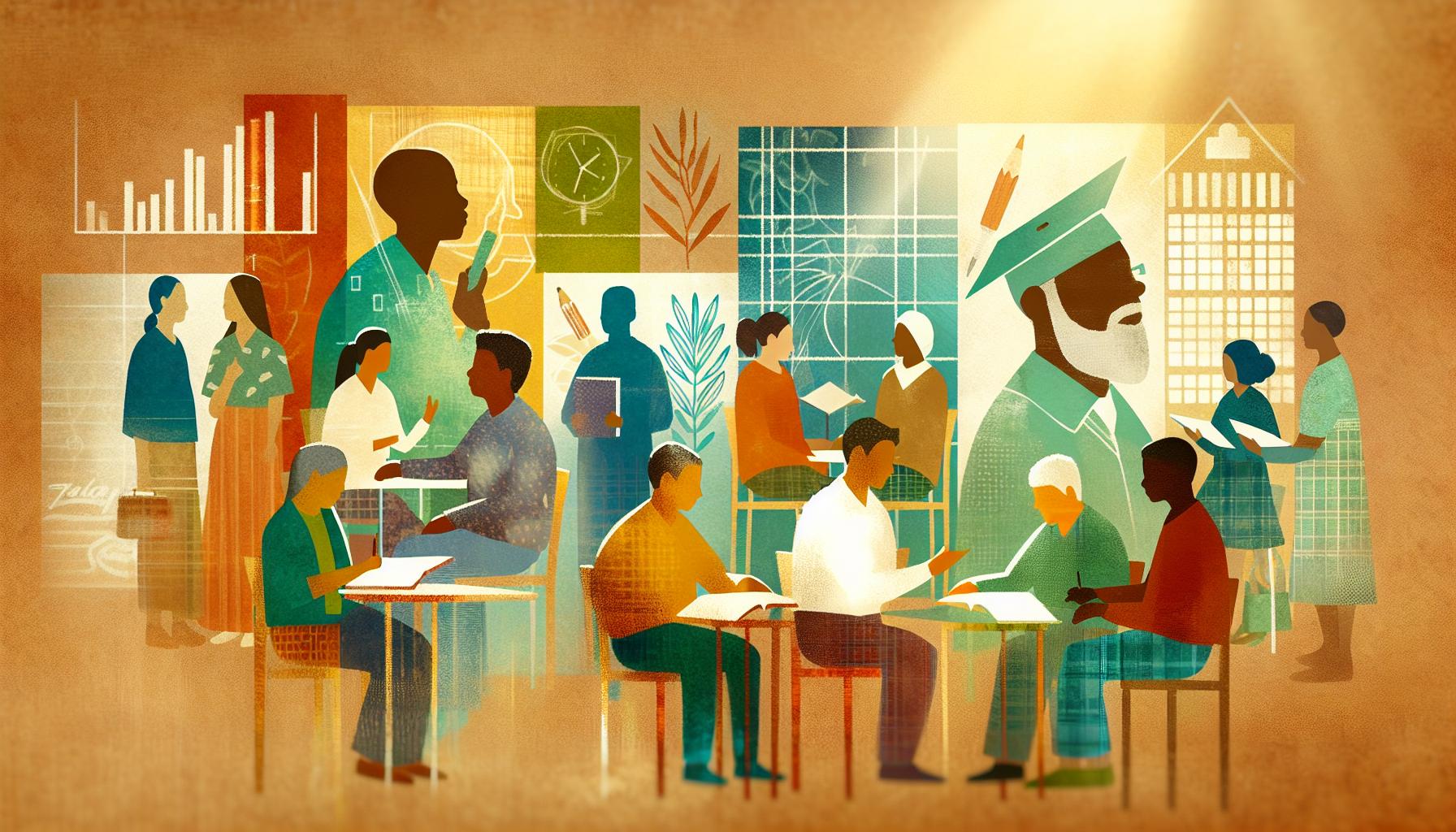
Diverse Learning Opportunities: How Public Schools Cater to Various Learning Styles
In the dynamic landscape of education,public schools have increasingly recognized the importance of addressing diverse learning styles to cater to each student’s unique needs.By implementing a variety of teaching strategies and resources, public school systems work diligently to create inclusive environments where every child can thrive. Contrary to the notion that homeschooling might offer a more personalized approach, public schools provide a wealth of diverse learning opportunities that can be pivotal in a child’s academic journey.
Emphasizing Differentiated Instruction
One of the foremost strategies public schools utilize is differentiated instruction, which tailors learning experiences to suit individual abilities. this method allows educators to provide various learning pathways and options that align with students’ interests and strengths. Teachers may employ techniques such as flexible grouping, where students are grouped by skill level or interests, and varied assessment methods to ensure all learners can demonstrate their understanding in ways that resonate with them. This approach fosters an environment where students feel valued and capable, enhancing engagement and motivation.
Using Technology to Enhance Learning
in today’s tech-savvy world, public schools leverage technology to cater to different learning styles effectively. Educational software, online resources, and interactive tools enable teachers to create multi-faceted lessons that can engage visual, auditory, and kinesthetic learners. As a notable example, platforms like Google Classroom and educational apps allow students to work at their own pace, accessing materials that suit their learning preferences. Such technological integration not only enriches the curriculum but also prepares students for a digitally-driven workforce.
Creating Inclusive learning Environments
Beyond instructional methods, public schools actively promote diversity and inclusion as core values. By fostering environments that celebrate cultural differences and encourage collaboration among students from various backgrounds,schools enhance social learning and empathy. Programs that focus on social emotional learning (SEL) help students develop vital life skills, such as communication and teamwork. This holistic approach ensures that students experience a sense of belonging, which is essential for academic and personal growth.
| Learning Style | Teaching strategy | Example |
|---|---|---|
| Visual | Use of diagrams, videos, and graphic organizers | Science lessons with infographics |
| Auditory | group discussions, lectures, and podcasts | History classes featuring storytelling |
| Kinesthetic | hands-on activities, experiments, and movement | Math lessons with physical counters or games |
By embracing these methodologies, public schools exemplify how thay can effectively cater to various learning styles, thereby enhancing the educational experiences of all students.As discussed in the balanced perspectives on the advantages of public schooling over homeschooling, these diverse opportunities reflect a commitment to nurturing well-rounded individuals prepared for future challenges.
Access to Resources and Extracurricular Activities: Enriching the Student Experience
Public schools offer a rich tapestry of resources and extracurricular activities that significantly enhance the educational experience for students.Unlike homeschooling, where access to these enriching opportunities can be limited, public schools are equipped with structured programs that support a well-rounded education. From advanced academic resources to vibrant community involvement, the public school system is designed to foster growth beyond the classroom.
Thorough Access to educational Resources
Students in public schools benefit from a wealth of resources that are frequently enough unavailable in a homeschool setting. These include:
- Library Services: Public schools typically have well-funded libraries stocked with a variety of books,periodicals,and digital resources. This supports independent research and a love of reading.
- Specialized staff: Access to counselors, special education professionals, and subject-matter experts provides tailored assistance to meet diverse learning needs.
- Technology Integration: Schools increasingly incorporate technology into the curriculum,offering devices and software that allow students to engage with content in innovative ways.
Such resources empower students to explore their interests deeply, enabling a more comprehensive understanding of subjects compared to what they might experience in a homeschool environment.
Vibrant extracurricular Activities
Extracurricular activities in public schools serve as vital outlets for creativity,collaboration,and personal growth. Participation in these programs can enhance social skills, improve time management, and instill a sense of responsibility.
Some popular extracurricular offerings include:
- Sports Programs: From soccer to swimming, public schools provide competitive teams that foster teamwork and physical fitness.
- Clubs and Organizations: Options range from debate clubs to art societies,allowing students to pursue interests alongside peers.
- Performing Arts: Students can join music bands, theater productions, and dance troupes, offering platforms for creative expression.
These activities not only enrich the student experience but also cultivate lifelong skills, establishing a strong foundation for future endeavors. Public schools create a community where students can thrive socially and academically, supporting the notion that this environment is beneficial when compared to the more isolated experience of homeschooling.
Real-World Connections and Community Engagement
Public schools often serve as community hubs, bridging connections between students and local organizations.Students frequently participate in community service projects, internships, and partnerships with local businesses, which can provide invaluable real-world experience. These opportunities encourage civic engagement and help students understand their role within the larger community.
Such as, students might engage in environmental initiatives, participate in local art exhibitions, or work alongside professionals in their fields of interest. Such experiences can illuminate potential career paths and provide networking opportunities that homeschooling may not easily replicate.
| Type of Resource/Activity | Public School advantage | Homeschool Comparison |
|---|---|---|
| Library Services | Extensive collections & access to staff | Limited resources, dependent on parental choice |
| Extracurricular Activities | diverse opportunities & peer interaction | Varies greatly, often lacks variety |
| Community Engagement | partnerships & real-world initiatives | Less direct involvement, relies on parental initiative |
The robust framework of public schools highlights their distinctive advantages in educational resources and extracurricular activities.This structured approach significantly enhances the student experience, firmly positioning public schooling as an beneficial choice compared to homeschooling, especially for those seeking a well-rounded educational path.
Expert Instructors: The Value of Professional Teaching in Public Education
Expert instructors play a pivotal role in shaping the landscape of public education, bringing a level of professionalism and expertise that significantly enhances the learning experience for students. Unlike homeschooling, where the teaching approach is often personal and unregulated, public schools benefit from educators who have undergone rigorous training and continuous professional development. this commitment to excellence is reflected in their teaching methods, assessment strategies, and interaction with students, which collectively lead to better educational outcomes.
Building a Foundation of expertise
Public school teachers are not merely facilitators of knowledge; they are lifelong learners themselves. Engaging in ongoing professional development, expert instructors refine their skills and stay current with educational trends and methodologies. As outlined by the National Council of Teachers of English, teachers who continue to engage in learning while actively teaching can develop a more refined pedagogy that benefits their students and the educational community at large [[1]]. This dual commitment allows instructors to convey not only subject matter expertise but also teaching strategies that adapt to diverse learning needs.
The Impact of Collaborative Environments
In public schools, expert teachers often collaborate with their peers, sharing innovative practices and resources that can elevate the standard of education across the board. This culture of collaboration fosters an environment where educators can learn from each other’s experiences, ultimately benefiting their students. By participating in professional learning communities, teachers can discuss challenges and solutions in a supportive setting, enhancing their effectiveness.
- Mentorship Programs: Pairing novice teachers with seasoned professionals can definitely help accelerate their development.
- Workshops and Seminars: Regularly scheduled events allow teachers to explore new educational technologies and pedagogical strategies.
- peer Observations: Watching colleagues teach can provide fresh insights and inspire innovative techniques in one’s own classroom.
Measuring Success in Public Schools
The value of expert instructors goes beyond immediate classroom interactions; it manifests in measurable student achievements. Schools led by experienced educators often report higher test scores and improved student engagement. Research suggests that students benefit from the structured curriculum and diverse resources available in public schools, further reinforcing the arguments presented in the discussion of why public school may be more advantageous than homeschooling [[3]].
the presence of expert instructors in public education not only enriches the academic experience but also cultivates a well-rounded educational environment where students can thrive. Their continuous pursuit of professional growth and collaborative efforts significantly contribute to the overall success of educational institutions.
The importance of Structure and Routine: How Public Schools Support consistent learning
Establishing a structured environment is one of the pivotal advantages public schools hold over homeschooling. In this organized setting, students significantly benefit from prevalent routines, which cultivate a sense of stability and predictability crucial for learning. Research has shown that predictable whole-school routines not only streamline the learning process but also minimize confusion and distractions among students.This structured approach allows educators to effectively manage classroom dynamics and cater to diverse learning needs, ultimately enhancing student engagement.
Consistency and Framework
In public schools, the structure manifests in daily schedules that include distinct periods for various subjects, such as math, science, and art. Each activity is typically preceded by a consistent routine that helps students transition smoothly between tasks. As an example, a morning meeting frequently enough sets the tone for the day, allowing teachers to outline expectations and objectives. this consistency supports students in developing time management skills and fosters a learning atmosphere where they can thrive academically and socially.Incorporating specific routines, such as group work and collaborative projects, not only promotes teamwork but also prepares students for real-world interactions, enriching their development beyond academics.
Support Systems in Action
Public schools employ a variety of structured systems to uphold educational standards and ensure every student receives the attention they require. These include behavioral expectations and learning frameworks designed specifically for varying age groups and learning capabilities. Such as, younger students might engage in simpler, highly structured routines, such as “quiet reading time,” while older students might tackle more complex tasks within flexible yet defined frameworks. This method of tailored support enables teachers to adapt their instructional strategies, addressing the unique needs of each classroom cohort while maintaining overall classroom management.
Real-World Submission
The advantages of routine in public school settings extend beyond the classroom walls, equipping students with essential skills for future endeavors. Participating in regularly scheduled activities, such as clubs and sports, provides a platform for students to practice responsibility and time management. In contrast to the homeschooling environment, where schedules can often be more fluid, the public school experience reinforces the idea of adhering to timelines, which is essential in the workforce.
By focusing on the importance of structure and predictable routines, public schools create an environment conducive to consistent learning—a critical factor highlighted in discussions around educational methods, such as the balanced outlook of why public school may present more opportunities compared to homeschooling. Ultimately, this structured environment not only enhances academic performance but also prepares students for life’s challenges beyond their school years.
Community Involvement and Support: Strengthening Parent and School Relationships
Engaging communities in the educational process proves to be a catalyst for students’ success and development.Studies consistently show that when parents actively participate in their children’s education, there are noticeable improvements in their academic performance, attendance, and overall behavior. This involvement not only enhances students’ educational experiences but also fosters a sense of belonging within the school community.
The Role of Parent-Teacher Partnerships
Building robust relationships between parents and teachers is essential for creating a supportive educational environment. Effective communication is a cornerstone of this partnership; regular meetings, newsletters, and workshops can help bridge the gap between home and school. Here are some strategies to foster these relationships:
- Regular Communication: Utilize various platforms, such as emails, social media, or school apps, to keep parents informed about school activities and their children’s progress.
- Parent Workshops: Organize sessions where parents can learn about the curriculum, educational resources, and ways to support their kids at home.
- Volunteer Opportunities: Invite parents to participate in school events, which fosters community spirit and strengthens bonds.
Community Support Initiatives
Beyond direct engagement between parents and teachers, community involvement plays a vital role in enhancing the educational landscape. Programs that encourage local businesses and organizations to support schools can provide students with additional resources and opportunities. For example, partnerships with local libraries can initiate reading programs that encourage literacy outside of the classroom.
Establishing mentorship programs involving community leaders can provide students with real-world perspectives and career guidance. This not only motivates students but also reinforces their connection to the wider community. Such initiatives illustrate how the combined efforts of schools and local organizations can produce rewarding educational outcomes, emphasizing that community involvement significantly contributes to understanding why public school settings can be advantageous compared to homeschooling.
| Community Involvement Strategies | Benefits |
|---|---|
| Local Business Partnerships | Access to resources,internships,and professional guidance |
| Mentorship Programs | Increased motivation and real-world insights for students |
| Cultural Events | Enhancement of school spirit and diversity appreciation |
By embracing community involvement and fostering supportive parent-teacher relationships,schools can create an enriching environment that highlights why public schooling may be a more beneficial choice compared to homeschooling,ensuring a well-rounded education for all students.
Understanding the Emotional Landscape: How Public Schools Promote peer Interaction and social skills
In an age where interpersonal skills are paramount for future success, public schools serve as vital arenas for the development of social competencies. These institutions provide children with structured environments where they can interact with peers from diverse backgrounds, fostering essential communication skills and emotional intelligence. Unlike the homeschooling experience, which may sometimes lack this communal aspect, public schools inherently promote frequent and varied opportunities for peer interaction, which is crucial for understanding social nuances.
Environment for Interaction
Public schools are designed to be microcosms of society,where children learn not only academic skills but also how to navigate social landscapes. During the school day, students engage in activities such as group projects, sports, and even casual interactions during lunch breaks. These experiences are instrumental in teaching important social skills, including:
- Teamwork: Collaborative projects encourage students to work together towards a common goal.
- Conflict resolution: Navigating disagreements with peers encourages problem-solving skills and resilience.
- Empathy: Spending time with diverse groups helps students develop a sense of understanding and compassion for others.
In contrast, homeschooling may offer personalized education but often lacks the same breadth of social engagement. The routine interactions in public schools provide a crucial context for children to learn appropriate social behavior, such as negotiating roles during play or learning to respect personal boundaries.
Structured Social Skills Development
Moreover, many public schools incorporate structured programs aimed explicitly at social and emotional learning (SEL). These initiatives are designed to teach children skills that are vital for personal and professional success, such as self-awareness, emotional regulation, and interpersonal skills. For instance, some schools implement programs that utilize role-playing scenarios, helping students practice how to respond to various social situations. The integration of SEL into the curriculum can substantially enhance a child’s ability to connect and collaborate with others, setting them up for success in later life.
the rich social environment found in public schools fundamentally contributes to children’s social skill development.This structured, diverse setting not only ensures robust peer interaction but also promotes a deeper understanding of the emotional landscape they will navigate as adults. Such advantages illustrate why public schooling can be seen as a more effective system for developing well-rounded individuals, as highlighted in the discussion of why public schools are better than homeschool environments.
Navigating Challenges: Common Misconceptions About Public and Homeschool Education
Many parents face the dilemma of choosing between public school and homeschooling,often influenced by widespread misconceptions about each educational path. A common belief is that public school environments are inherently superior due to structured curriculums and professional teachers, while homeschooling is viewed as a less viable option due to concerns over socialization and academic rigor. This perspective can overshadow the nuanced benefits of both educational settings and discourage parents from exploring their full potential.
Education Quality and Academic Performance
One prevalent misconception is that homeschooled children lack academic rigor compared to their public school peers. However, research indicates that home-educated students frequently outperform those in public schools on standardized tests, scoring notably higher—typically 15 to 25 percentile points above public-school averages [[1]](https://nheri.org/research-facts-on-homeschooling/). This statistic challenges the idea that classroom learning exclusively contributes to academic success, highlighting how customized learning experiences in homeschooling can foster exceptional educational outcomes. parents can take actionable steps here by implementing structured lesson plans and utilizing diverse resources—such as online courses and community classes—to supplement their children’s education effectively.
Socialization Opportunities
Another common misconception is centered around the socialization of homeschoolers.critics often argue that children educated at home miss out on essential social interactions found in public schools.yet,this perspective fails to recognize that homeschooled children engage in numerous extracurricular activities,community sports,and co-op classes designed to provide ample social interaction. Parents can further enhance their child’s social experience by actively seeking local homeschooling groups or clubs, which can offer rich opportunities for peer interaction and friendships outside the conventional school setting.
The Flexibility of Homeschooling
Some may assume that homeschooling lacks the engagement and support available in public schools, deeming it an overwhelming challenge for both parent and child. Nonetheless, one of the most significant advantages of homeschooling is its flexibility. Families can customize learning schedules to accommodate their children’s unique needs and interests, making education a more enjoyable and less stressful pursuit [[2]](https://ihomeschoolnetwork.com/homeschooling-vs-public-school/). Parents considering this approach can begin by setting clear educational goals aligned with their child’s interests, allowing for a dynamic learning environment that keeps students engaged and motivated.
| Aspect | Public School | Homeschool |
|---|---|---|
| Academic Performance | Standardized curriculum | customized learning plans |
| Socialization | Structured interactions with peers | Community involvement and group activities |
| Flexibility | Fixed schedule | Adaptable learning pace and environment |
These insights illustrate that while public schools offer structured environments and access to qualified educators, homeschooling provides unique benefits that, when properly harnessed, can create equally enriching educational experiences. By addressing and debunking these misconceptions, parents can make informed decisions about which educational path aligns best with their family’s values and goals.
Frequently Asked Questions
What are the main benefits of public school compared to homeschooling?
The primary benefits of public school include access to a diverse social environment,extracurricular activities,and structured educational resources. Public schools offer students opportunities to develop social skills and engage in various programs that enhance their learning experiences.
Public schools provide a well-rounded education, with trained teachers and facilities that cater to different learning styles. Additionally, students can participate in sports, music, and arts programs, which can enrich their overall development and help foster a sense of community.
why do some parents beleive public school is better than homeschool?
many parents believe public school is superior due to its formal structure and comprehensive curriculum. Public education often includes access to special education resources, various courses, and trained staff that homeschooling may lack.
Moreover, public schools typically have established accountability measures, which can ensure a consistent quality of education. Parents appreciate the peace of mind that comes from knowing their child is receiving an education aligned with state standards.
Can public schools support students with special needs better than homeschooling?
Yes, public schools often have the resources and trained personnel to support students with special needs more effectively than homeschooling can. They offer tailored programs, specialized teachers, and access to services like speech therapy.
This enables children with special needs to get a comprehensive education and individualized support that may be challenging to replicate in a home environment. public schooling aims to ensure that all students receive equal educational opportunities.
How does socialization differ between public school and homeschooling?
Public schools provide numerous opportunities for socialization due to their larger and diverse student populations. Students engage daily with peers, participate in group activities, and develop essential social skills in a structured environment.
In contrast,while homeschooling can offer social opportunities through local groups and activities,it may lack the daily social interactions found in public schools. This is a critical aspect for many parents considering the importance of social skills in children’s development.
What role do standardized tests play in public education compared to homeschooling?
Standardized tests play a significant role in public education, measuring student performance against state benchmarks. Public schools often emphasize preparation for these assessments to evaluate educational effectiveness.
While homeschooling can provide flexible and individualized learning, it might not emphasize standardized testing. This can be a concern for parents wanting to ensure their child meets educational standards comparable to public school peers.
What is the impact of extracurricular activities found in public school?
Extracurricular activities offered in public schools significantly enhance a child’s educational experience by promoting teamwork, leadership, and creativity. These activities help students explore interests outside of academics.
Through sports, arts, and clubs, children develop essential life skills that are beneficial for their overall growth. Engaging in extracurriculars also aids in building friendships and enhancing school spirit, which can be limited in homeschooling environments.
Can public schools help with college preparation better than homeschooling?
Public schools typically offer more resources for college preparation than homeschooling. They provide guidance counseling, college application workshops, and access to Advanced Placement (AP) courses.
These resources equip students with the knowledge and skills necessary for college readiness.Many public schools also have established relationships with local colleges, which can facilitate smoother transitions for students.
Why is public school considered more accountable than homeschool?
Public schools are held to strict state educational standards and undergo regular evaluations to ensure compliance and quality education. This accountability is often viewed favorably compared to homeschooling.
Parents and educators appreciate that public schools must report progress and outcomes, providing transparency in education. This system helps to maintain educational effectiveness and supports parental involvement in their child’s learning journey.
to sum up
choosing between public school and homeschooling is a deeply personal decision that can shape your child’s education and experiences. Public schools offer structured learning environments, a wide range of extracurricular activities, and social interaction with peers, which can be essential for overall development.They provide consistency and access to resources that many families may find challenging to replicate at home.We encourage you to weigh these factors carefully and consider your child’s unique needs.Whether you lean towards public schooling for the community it fosters or continue your journey towards homeschooling with a tailored approach,remember that you are not alone. Many parents share these experiences and challenges, and finding support can make all the difference.Explore local parent groups, educational resources, and online communities to connect with others who understand your journey. Whatever path you choose, trust in your ability to make the best decisions for your child’s future.
Get our latest guides, news, and insights highlighted in your Google Search & AI Overviews.


