


Potty training can be a daunting milestone for both parents and children.Knowing when your little one is ready is crucial for a smooth transition away from diapers. In this article, we’ll explore seven unmistakable signs that indicate your child is prepared for this critically important developmental step, helping you approach potty training with confidence.
Understanding Potty Training: What Every Parent Should Know
Understanding when your child is ready to embark on the journey of potty training can feel daunting, but recognizing the clear signs can make the process smoother for both parent and child. Many parents ask themselves,”Is my child ready for potty training?” This crucial question can be answered by observing their behavior,readiness,and willingness to transition from diapers to using the toilet.
One of the most significant indicators that a child is ready for potty training is their ability to follow simple instructions. If your little one can understand and react to basic commands, it’s a strong sign they’re developing the necessary cognitive skills for this next step. Additionally,physical readiness plays a critical role. Look for signs such as your child staying dry for extended periods or showing interest in imitating adult behaviors, particularly using the toilet. These signs indicate that their body is ready to handle the sensation of needing to go.
Here are several key indicators to watch for that suggest readiness for potty training:
- Staying Dry: If your child can go for two hours or more without wetting their diaper, this indicates increased bladder control.
- Expressing Interest: Pay attention to whether your child shows curiosity about the toilet or expresses a desire to wear underwear.
- Understanding Words: Being able to identify and name their bodily functions is a sign that they are starting to connect the physical process with the terms surrounding it.
- Discomfort with Diapers: If they often express discomfort with being wet or soiled, they’re likely ready to transition to using the toilet.
Making the transition Smooth
To smoothly navigate the transition from diapers to the potty,it’s essential to create a positive environment.Celebrate small victories and reassure your child that it’s okay to have accidents as they learn. Incorporating fun stories or rewarding them with stickers can make the experience enjoyable and less stressful.
determining “Is my child ready for potty training?” boils down to several nuanced signs. By being attuned to your child’s readiness and responding positively to their cues, you can facilitate a more harmonious and successful potty training experience. Patience and encouragement will be your best assets during this important stage of advancement.
The Importance of Timing: Why Readiness matters

Understanding when your little one is ready for potty training can considerably impact the experience for both child and parent. Making this transition at the right time not only enhances the chances of success but also establishes a positive association with the process. Rushing into potty training without assessing readiness may led to frustration and setbacks, creating a negative environment that hinders development.
Recognizing key signs of readiness is crucial for parents wanting to embark on this journey. These indicators can vary from child to child, but some common characteristics to look for include:
- Physical Signs: Can your child stay dry for longer periods, or do they show discomfort when their diaper is wet?
- Cognitive Development: is your child able to follow simple instructions, like taking off their pants or sitting on the potty?
- Interest in the Process: Has your child expressed curiosity about other family members using the toilet, or do they show interest in their own bodily functions?
- Emotional readiness: Does your child demonstrate signs of independence, wanting to tackle new challenges and asserting their autonomy?
When parents align their potty training approach with these readiness signs, they increase the likelihood of an efficient, stress-free transition. It’s advisable to observe your child’s behavior over time rather than making a decision based solely on their age. Remember, each child develops at their own pace, and honoring their unique timeline lays a solid foundation for successful potty training.
Timing Matters
Initiating potty training in response to natural developmental milestones fosters a sense of achievement. Consider the following factors for better timing:
| Factor | Why It Matters |
|---|---|
| Physical Coordination | Able to pull pants up and down independently. |
| Interaction Skills | Can express the need to go or understand prompts. |
| Routine Establishment | Creating consistent potty times builds familiarity. |
| Emotional State | Low stress levels in the home contribute to a better learning environment. |
Choosing the right moment isn’t just about a checklist; it’s about trusting your instincts as a parent and being attuned to your child’s needs. Engaging with your child in their own readiness journey not only supports their development but also strengthens the parent-child bond,making potty training a shared adventure instead of a solitary task. The earlier you can identify these signs, the smoother your family’s transition from diapers to potty use will likely be.
Key Signs That Your Child May Be Ready for Potty Training
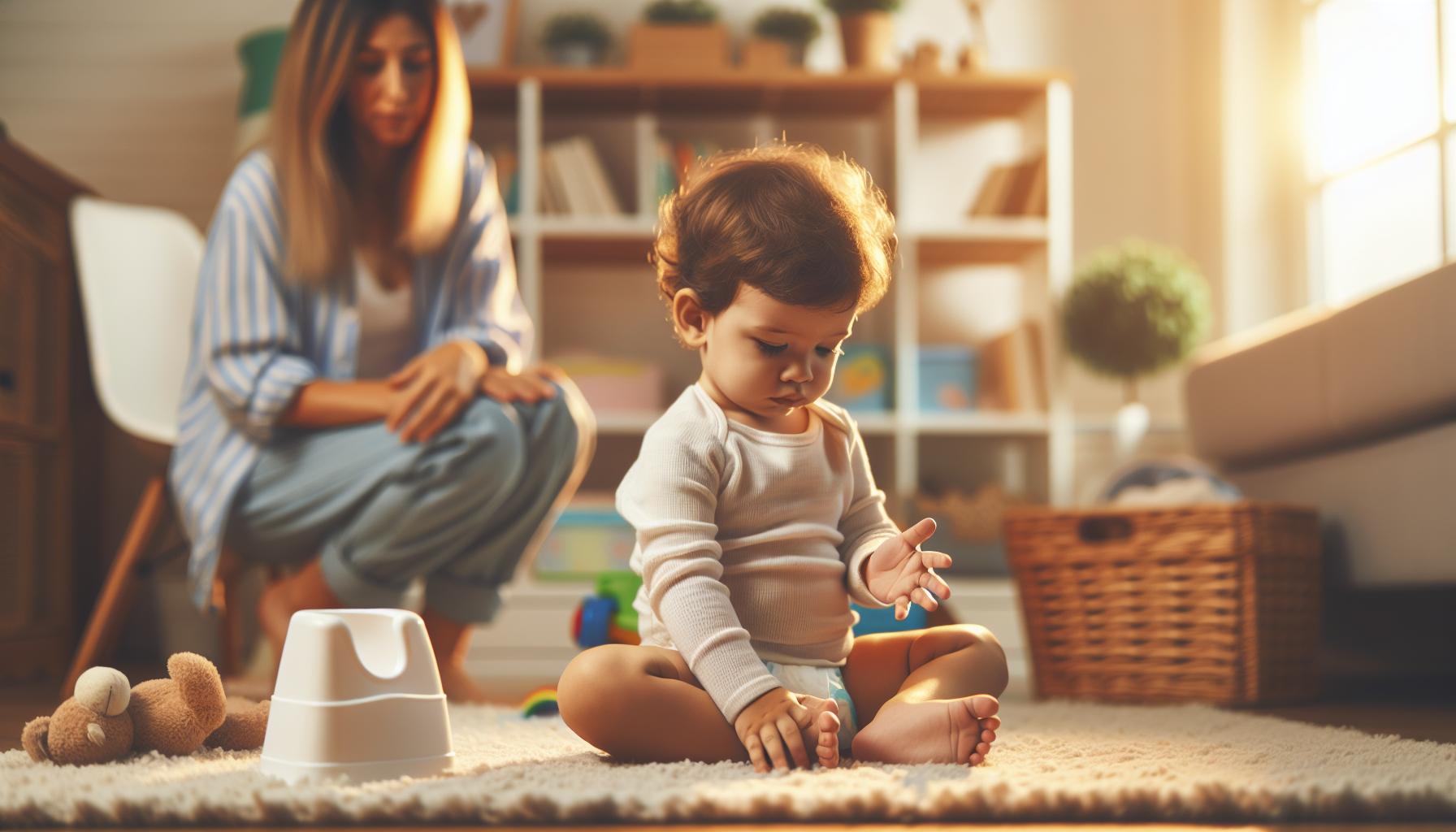
Recognizing when your child is ready for potty training can feel like a daunting task, as every child develops at their own pace. However, there are clear indicators that can help guide your decision. Understanding these signs not only sets the stage for successful training but also eases some of the stress for both you and your little one.
One of the primary indicators to watch for is your child’s ability to stay dry for extended periods. This signifies that their bladder muscles are developing, and they are starting to recognize the bodily signals that indicate they need to relieve themselves. If you notice your child consistently staying dry for at least two hours during the day or waking up dry from naps, it’s a strong signal they might potentially be ready for the transition to the potty.
Another telltale sign revolves around your child’s interest in the activities of others. if you catch them observing family members or peers using the toilet, showing curiosity about the process, or imitating the behavior, this is a positive cue. Being observant and engaged can mean they are not just ready to learn but also eager to participate in this new stage of independence.
physical and verbal cues also play a crucial role. Watch for signs such as squirming, holding themselves, or expressing discomfort when they need to go. A child who can communicate their needs, whether through words or gestures, is likely more prepared for the potty training journey. Alongside these cues, consider the following checklist when pondering whether now is the right time:
| Sign | Description |
|---|---|
| Staying Dry for Longer | Your child remains dry for two hours or more. |
| Interest in Toileting | They watch others use the toilet and show curiosity. |
| Physical Signals | Squirms or holds themselves when they feel the urge. |
| Ability to Follow Directions | They can understand and follow simple instructions. |
| Expressing Interest in Underwear | Your child prefers wearing underwear over diapers. |
Recognizing these signs can help alleviate any uncertainties and get you well on your way to a smooth potty training experience. Fostering a positive environment and approach is essential,as it supports your child not only in learning a new skill but also in developing a sense of autonomy along the way.
Emotional and Physical Readiness: Are they Aligned?

Understanding the connection between emotional and physical readiness is crucial when considering if your child is prepared to embark on the potty training journey. While many parents tend to focus on physical signs, such as staying dry for longer periods or showing interest in the bathroom, emotional readiness is just as significant. An alignment of both these aspects can make the transition to potty training smoother and more successful, reducing the chances of regression and frustration.
Recognizing Emotional Readiness
Emotional maturity in children can manifest in various ways. Here are some indicators to observe:
- Demonstrating Independence: if your child expresses a desire to do things on their own, like picking out their clothes or using utensils, this can signify an emotional readiness to take on potty training.
- Understanding Basic instructions: Children who can follow simple directions,like “go get your shoes,” may be ready to grasp the concept of going to the bathroom.
- Showing Interest in Others: If your child is curious about what others do in the bathroom, whether siblings or parents, it suggests they are beginning to understand the process.
- Expressing Discomfort: When your child indicates they feel uncomfortable in a dirty diaper, it shows a growing awareness of bodily functions and can be a signal that they’re ready for the next step.
Evaluating Physical Readiness
On the physical side, there are distinct signs that can indicate your child is ready to start potty training:
- Consistent Dryness: If your child stays dry for longer periods during the day, including naps, it’s often a strong indicator that their bladder is developed enough for potty training.
- Regular Bowel Movements: A predictable schedule for bowel movements can help parents know when to encourage potty usage.
- Ability to Undress: Children who can remove their pants or pull-ups independently are more likely to succeed in using the toilet.
- Physical Signals: Watch for signs like fidgeting, squatting, or holding their genital area, which can indicate they need to go.
When these emotional and physical cues are in harmony, the likelihood of potty training success increases significantly.as identified in “is My Child Ready for Potty Training? 7 Clear Signs to Look For,” observing these signs in tandem can provide a clearer picture of your child’s readiness. This dual approach makes the transition from diapers to toilet use not only less stressful but also empowering for your child, fostering confidence and independence in a crucial developmental stage.
| Indicator of Readiness | Emotional Signs | Physical Signs |
|---|---|---|
| Independence | Desires to do things on their own | Can undress themselves |
| Understanding | Follows simple instructions | Shows consistent dryness |
| Awareness of Bodily Functions | Indicates discomfort in dirty diapers | Regular bowel movements |
| Curiosity About Others | Asks questions about bathroom use | Signals need to go |
By keenly observing these indicators, parents can better determine when their child is truly ready for potty training, paving the way for a more successful and confident experience.
How to Encourage Your Child’s Interest in the Potty
To help foster your child’s interest in using the potty, it’s essential to create a positive and engaging environment around this new experience. Recognizing the signs of readiness for potty training is just the beginning; building excitement and curiosity about the process can make all the difference. Children are naturally inquisitive,so leveraging that curiosity can turn potty training into a fun adventure rather than a daunting task.
Start by introducing the concept of the potty in a playful manner. Consider setting up a special “potty time” routine that includes stories or songs about using the toilet. This can help demystify the experience, making it feel like a normal part of their day. Show your child the potty and let them explore it at their own pace. Allowing them to sit on the potty fully clothed at first can definitely help them get cozy with it. You might even personalize the potty with fun stickers or let them choose a potty seat cover in their favorite color, turning it into something they’re excited to use.
Another effective way to encourage interest is by modeling behavior. Children learn by watching, so if they see a sibling, parent, or even a favorite doll or stuffed animal using the potty, it can pique their interest. You can also celebrate their successes, no matter how small. Offering positive reinforcement like praise or a sticker chart can create motivation.A simple chart tracking their progress can visually represent their achievements, making them feel accomplished and eager to continue.
Practical Steps to Engage Your Child
Here are some actionable strategies to boost your child’s enthusiasm for potty training:
- Choose the right Time: Look for signs of readiness, such as staying dry for longer periods or showing interest in the bathroom habits of others.
- Make it Fun: Use books and videos about potty training to create interest, and consider singing fun songs or engaging in playful activities related to it.
- Set a Schedule: Encourage regular potty breaks after meals or after playing, which can definitely help establish a routine.
- Create a reward System: Use simple rewards like stickers or a small treat to recognize successes—this helps children feel like potty time is something special.
By taking these steps, you are not only preparing your child for a crucial milestone but also creating an enjoyable atmosphere that will ease the transition into potty training. The earlier you can get them excited about this process, the smoother the journey will be, making it easier to discern, “Is my child ready for potty training?” as they display the clear signs of readiness.
Common Questions Parents Have About Potty Training Readiness
Many parents find themselves in a whirlwind of questions as they approach the milestone of potty training. Determining if your child is ready can feel overwhelming, especially with the plethora of advice available. Understanding the signs of readiness can not only ease your concerns but also contribute to a more successful transition from diapers to the toilet. Here are some common queries parents often have about recognizing when their child is ready to embark on this journey.
What Are the Signs of Potty Training Readiness?
While every child is unique, there are several key indicators that suggest readiness. Here’s a breakdown of the common signs:
- Shows Interest: If your child starts expressing curiosity about the bathroom or shows interest in watching others use the toilet, this is a positive sign.
- Stays Dry for Longer Periods: If your little one can stay dry for at least two hours during the day, it suggests that their bladder control is developing.
- Communicates Needs: Your child should be able to express when they need to go, even if that means using gestures or words.
- Demonstrates Independence: A desire to dress and undress themselves is a good indicator that they might be ready for potty training.
How can I Encourage Potty Training Readiness?
Fostering an environment that promotes potty training readiness can make all the difference.Consider these practical steps:
- Create a routine: Establishing a consistent bathroom schedule can help your child understand when it’s time to try using the toilet.
- Use Positive Reinforcement: Celebrate achievements, no matter how small.Stickers, high-fives, or a joyful cheer can motivate your child.
- Provide Potty Training Supplies: Invest in a child-friendly potty chair that is comfortable and inviting. Let your child pick it out, which can boost excitement.
What If My Child Resists Potty Training?
It’s not unusual for children to resist the idea of potty training. Factors such as fear,anxiety,or simply a preference for the comfort of diapers can play a role. If you notice resistance:
- Take a Break: If your child isn’t ready, it’s important to step back and try again later. Pushing too hard can create negative associations.
- Engage with Stories and Songs: Use books or music related to potty training to normalize the experience and make it fun.
being aware of your child’s cues and responding positively can lead to a smoother potty training experience. As you read more about the signs of readiness, remember that patience is key—the journey varies significantly from one child to another. Keeping the process light-hearted and stress-free will help you both navigate this critically important milestone with confidence.
Creating a Supportive Environment for successful Potty Training
creating a nurturing atmosphere can significantly impact the potty training journey. Transitioning from diapers to using the toilet is a pivotal step in a child’s development, ideally undertaken in an environment that promotes confidence and encourages learning. When considering if your child is ready for potty training, it’s essential to create a supportive backdrop that aligns with the signs of readiness you may recognize.
Fostering Comfort and Confidence
To ensure your child feels secure during this process, start by introducing the idea of using the toilet through engaging discussions and storytelling. Incorporating themes from their favorite books or characters who successfully use the potty can make the transition feel familiar and exciting. Here are some actionable steps to bolster their confidence:
- Set Up a Potty Station: Designate a comfortable and accessible area with a child-sized potty, wipes, and fun toilet training books. Making this space appealing can instill a sense of ownership and eagerness.
- Positive Reinforcement: Celebrate small victories with praise or small rewards. A sticker chart can visually track progress and serve as motivation for your child.
- Modeling Behavior: Allow your child to observe family members using the toilet, which normalizes the behavior and demystifies the process.
Establishing a Routine
Creating a consistent schedule can significantly aid in successful potty training. Children thrive on routine and having a set time for potty breaks can help them develop awareness of their bodily cues. Implementing a daily potty schedule that aligns with the natural rhythms of your child can lead to success. Consider the following tips:
- Regularly Scheduled Breaks: Encourage trips to the potty after meals, before bed, or whenever they show signs of needing to go.
- Visual Cues: Use timers or fun alarms that signal when it’s time for a potty break. Children respond well to visual aids that help them grasp the concept of regularity.
Creating a Positive Atmosphere
Creating a positive emotional environment is crucial. It’s important to avoid pressure, as each child’s readiness can vary. If you sense frustration from your toddler, take a step back and revisit the process after a break.
| Area | positive Impact |
|---|---|
| Environment | A designated potty area enhances familiarity and comfort. |
| Routine | Consistent potty breaks help children recognize their bodily signals. |
| Encouragement | Celebration of small achievements builds confidence. |
Understanding the signs of readiness is vital, but ensuring a supportive environment that fosters positive feelings about potty training is equally important.By nurturing comfort, establishing routines, and emphasizing positivity, you can effectively guide your child through this significant developmental milestone.
Faq
How do I know if my child is ready for potty training?
Your child may be ready for potty training if they show signs such as staying dry for longer periods, showing interest in the bathroom, or communicating their needs. These indicators can help determine readiness before you start.
Every child is unique, and their readiness can differ based on age and development. As a notable example, if your child starts asking about using the toilet or expresses discomfort with dirty diapers, these are strong signals of readiness. For more data, check out our detailed guide on potty training tips.
What are the clear signs that indicate readiness for potty training?
Some of the clear signs your child might exhibit include showing interest in adult bathroom habits, having predictable bowel movements, and following simple directions. These are crucial milestones towards successful potty training.
Additionally, physical signs such as showing discomfort with wet or soiled diapers can signal that your child is ready to transition. Emotional readiness is equally important; a child who expresses a desire for independence may be well-prepared for this next step.
Why is it critically important to recognize signs for potty training?
Recognizing the signs for potty training is vital as it increases the likelihood of success and reduces stress for both you and your child. When a child is genuinely ready, they are more open to the experience.
Forcing potty training when a child isn’t ready can lead to frustration and setbacks, making it a challenging process.Understanding your child’s readiness creates a more positive and supportive environment, ensuring a smoother transition away from diapers.
Can I start potty training too early?
Yes, starting potty training too early can be counterproductive. Children may resist the process and feel anxiety if they are not developmentally prepared, leading to setbacks.
It’s important to wait for natural readiness signs. If your child isn’t showing interest or cannot communicate their needs,it’s best to wait.Every child has their own timeline; patience is key to a successful potty training journey.
What should I do if my child resists potty training?
if your child resists potty training, it’s essential to approach the situation with patience and understanding. Consider taking a break and revisiting it later when your child might be more receptive.
Try positive reinforcement techniques, such as praising your child for any progress, no matter how small. Establishing a routine and using fun tools, like a potty training chart, can help motivate your child and make the process enjoyable.
Can I potty train my child at night as well?
Yes, potty training at night is absolutely possible, but many children are not ready for night-time dryness until they’re older.It’s common for children to achieve daytime control before mastering night-time training.
You can encourage night-time training by limiting fluids before bed and making sure your child goes to the bathroom before sleeping. However, don’t rush the process; every child develops differently. If your child is consistently waking up dry in the morning, that could indicate readiness for night-time training.
What if my child has accidents during potty training?
Accidents are a normal part of potty training and should be handled with kindness and patience. It’s vital to reassure your child that accidents happen and are just a step in the learning process.
encourage your child to try again without punishment or criticism.Keeping a positive outlook can motivate them to succeed. Remember, the journey to being fully potty trained varies from child to child, and support goes a long way.
Insights and Conclusions
As you embark on the potty training journey with your child, remember that every little step forward is a triumph worth celebrating. Recognizing the clear signs your child is ready—like showing interest in the bathroom,staying dry for longer periods,and understanding basic instructions—can make this process smoother. It’s perfectly normal to feel a mix of excitement and apprehension, especially for single parents who juggle so many responsibilities. You’re not alone in this! Reach out to other parents, share your experiences, and seek support when needed. Trust your instincts, be patient, and embrace the progress, no matter how small. Together, we can turn this milestone into a positive and empowering experience for you and your child. Happy potty training!


