


Potty training can be a daunting milestone for parents, especially when considering the unique needs of girls. Understanding gender-sensitive approaches not only makes the process smoother but also empowers your daughter with confidence and independence. This guide explores effective strategies that cater to her developmental stage, ensuring a positive experience for both of you.
Understanding the specific Needs of Girls During Potty Training
Understanding the unique requirements during potty training can significantly influence a girl’s comfort and success. Research indicates that starting this essential milestone between 18 and 24 months can harness the natural inclination many girls have toward cleanliness. This period is especially crucial, as many girls begin to express a desire to be dry and clean, making them more receptive to the training process.Equipped with knowledge about thier specific needs, caregivers can create a supportive surroundings that encourages independence and confidence.
One of the primary aspects to consider is communication. Use simple, clear terms to explain the potty process—words like “pee,” “poop,” and “potty” should become part of everyday language. Making this conversation regular helps demystify the process and diminishes fear. Engaging your daughter in discussions, even modeling the behavior with dolls or toys, can enhance her understanding.
Additionally, it’s beneficial to create a routine that resonates with her developmental stage. Consistency helps build a sense of security; parents might establish designated potty times throughout the day, particularly after meals or before bedtime. This can form a predictable pattern that further encourages her to participate.
As potty training progresses, consider incorporating elements of fun. Utilize stickers or charts to celebrate milestones, motivating her along the way. Additionally, ensure her clothing is easy to remove, allowing her to feel in control and minimizing accidents. An element like a small step stool can also promote autonomy, teaching her to approach the toilet independently.
To summarize crucial age-specific considerations, the following table outlines key steps and suggestions:
| Age | Key Focus Areas |
|---|---|
| 18-24 months |
|
| 2-3 years |
|
Incorporating these gender-sensitive approaches not only aids in the effective training of girls but ensures the journey remains positive and rewarding, establishing a strong foundation for their transition into this new stage of growth.
Setting a Positive and Supportive Environment for Your Child
Creating a nurturing atmosphere for your child during the potty training journey can pave the way for a smoother transition. A positive and supportive environment not only helps alleviate anxieties but also reinforces a sense of security and confidence in your little one. Research shows that children thrive when they feel encouraged and safe, especially while mastering new skills such as using the toilet.
Encouragement through Positive Reinforcement
Using positive reinforcement is a powerful tool in potty training. Celebrate small victories together, no matter how trivial they may seem. This can include:
- Verbal Praise: Use keen words to acknowledge your child’s efforts. Phrases like “I’m so proud of you!” can boost their confidence.
- Sticker charts: Create a visual progress tracker where your child can place a sticker each time they succeed. This method often makes the process more engaging and rewarding.
- Special Treats: Consider rewarding them with a small treat for achievements. It could be as simple as choosing a fun book to read together after a successful day.
Establishing a Routine
Having a consistent routine helps children understand expectations and builds a sense of normalcy around potty training. Aim to establish designated times throughout the day when your child visits the bathroom, such as:
| Time of Day | Suggested Activity |
|---|---|
| Morning | After waking up, encourage bathroom use. |
| Post-meals | prompt them to use the toilet after meals. |
| Pre-bedtime | Establish a nightly bathroom routine before sleep. |
This routine not only fosters a sense of structure but can also reduce accidents by encouraging regular bathroom visits.
Creating a Cozy Space
Transforming the bathroom into a welcoming environment is crucial. Consider the following tips:
- Personalize the Space: Allow your child to choose a special bathroom accessory, like a cute mat or a colorful toilet seat, that makes them feel like it’s their space.
- Accessibility: Ensure the toilet is easily accessible.Using a sturdy step stool or a potty seat can empower your child to feel more in control.
- Privacy Features: Encourage the idea of privacy by gently discussing the importance of personal space when using the toilet.
By establishing a positive and supportive environment, you create the ideal foundation for your child’s potty training journey. The key is to be patient and understanding,adapting your approach based on your child’s responses and needs,ensuring a successful transition without pressure or stress.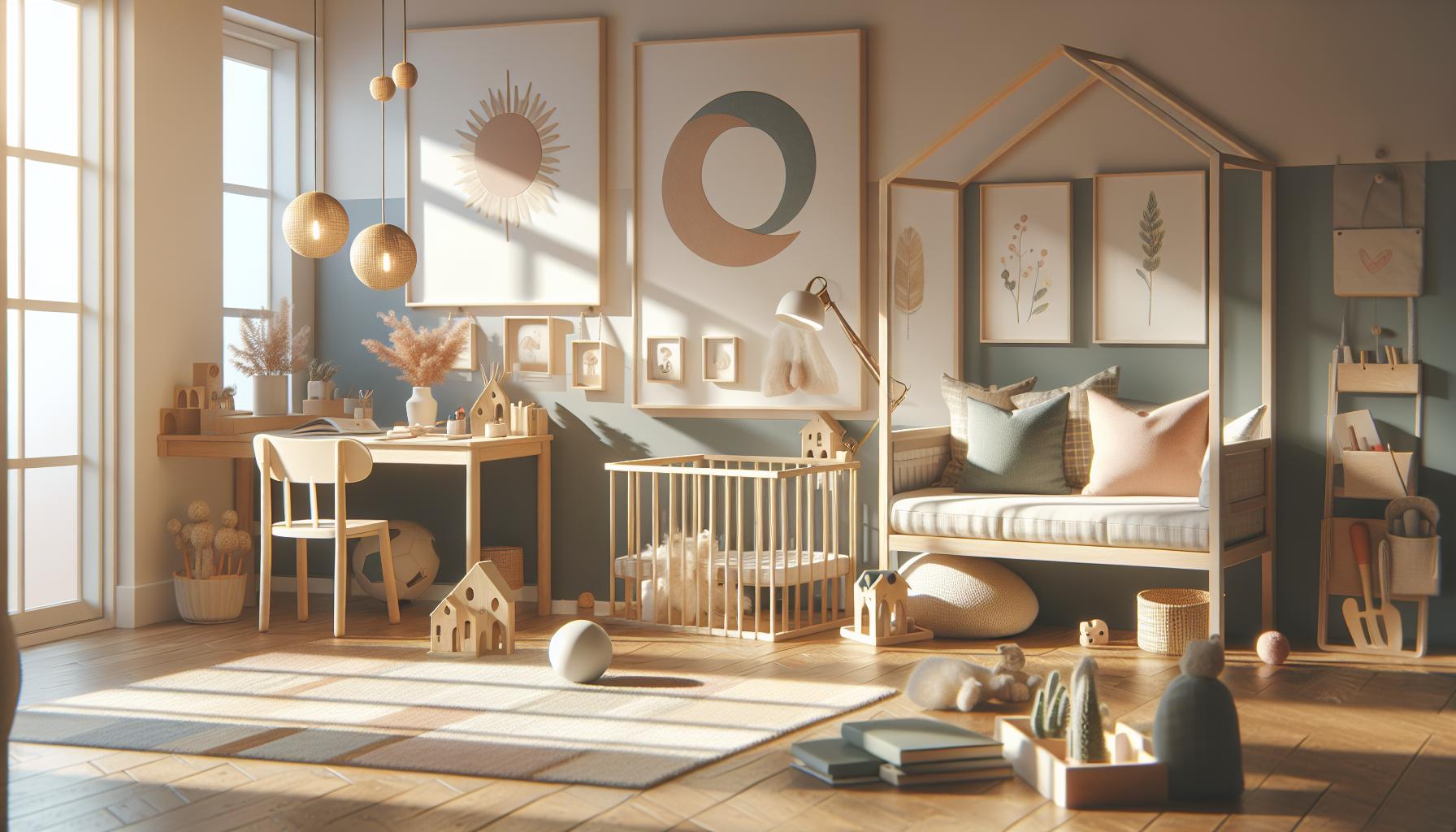
Recognizing Readiness Signs: When Is Your Girl Ready to start?
Every parent eagerly anticipates the moment when their child reaches meaningful developmental milestones, and potty training is one of the most notable. However, figuring out the right time to initiate this journey can feel daunting. Understanding readiness signs will not only facilitate a smoother transition but also foster your daughter’s confidence and independence. So, what exactly should you look for to determine if your girl is ready to begin this empowering process?
Key Signs of Readiness
Recognizing the signs that indicate your daughter is ready to start potty training is crucial. Here are several indicators to keep an eye on:
- physical Signs: Your daughter can stay dry for longer periods, often more than two hours, and may show interest in using the toilet by following you into the bathroom.
- Behavioral Signs: She may express discomfort with soiled diapers and actively seek out clean ones,or even announce when she has gone in her diaper.
- Emotional Signs: Watch for her showing curiosity about adult bathroom habits or asking to wear underwear rather than diapers.
- Developmental Milestones: as she begins to follow instructions and understand basic concepts of “wet” and “dry,” she may exhibit readiness for this significant step.
Timing and Environment
To further ensure success, the environment and timing you choose can make a notable difference. For example, avoid starting potty training during stressful life changes, such as moving to a new home or welcoming a sibling. Establishing a calm and supportive environment helps reinforce readiness and confidence.
| Readiness Sign | What to Look For |
|---|---|
| physical independence | Can she pull her pants up and down? |
| Verbal Communication | Is she able to communicate her needs effectively? |
| Routine Influence | Does she show interest during bathroom time? |
It’s essential to remember that every child is unique, and the timeline for potty training will vary. By actively observing these readiness signs and maintaining a positive approach, you can set the stage for successful potty training using gender-sensitive methods that resonate with your daughter’s learning style.
Addressing Common Challenges: What to Do When It Gets Tough
When embarking on the journey of potty training a girl, it’s inevitable that you will encounter various challenges along the way. Children, like adults, have unique personalities and temperaments, which means what works for one little girl may not work for another. Understanding that bumps in the road are perfectly normal can definitely help ease your anxiety and encourage a peaceful parenting approach.The key is to stay positive and proactive, finding strategies that cater to her individual needs.
Dealing with Resistance
It’s common for young girls to exhibit resistance during potty training, whether they’re expressing fear of the toilet, embarrassment, or simply preferring the comfort of diapers. Here are some effective strategies to address this:
- Offer Choices: Empower her by allowing choices within the potty training process. Such as, you could let her choose her own potty seat or pick out cute underwear. This can make her feel more involved and less resistant.
- Use Toilet Time as Bonding: make potty time a bonding experience. You can sit together and read a book or sing a song while she uses the toilet.This can alleviate fears and create a positive association.
- Stay Calm and Patient: If she has an accident or refuses to use the potty, avoid showing frustration. Praise her for her effort and encourage her to try again later. A calm demeanor reinforces a safe environment.
Handling Accidents
accidents are a natural part of the potty training process. Instead of viewing them as setbacks, consider them learning moments. Here’s how to navigate these situations:
- Respond with Understanding: If an accident occurs, respond with empathy. Avoid scolding; rather, reassure her that it’s okay and encourage her to try again next time.
- Establish a Routine: Consistency can significantly reduce accidents. Try to establish a potty routine around important times such as after meals or before bedtime.
- celebrate Success: Celebrate each milestone, no matter how small.Use stickers or a small chart to visualize progress, making her feel accomplished.
Overcoming Fear of the Toilet
Some girls may develop a fear of the toilet or the flushing noise.Here’s how to help them acclimate:
- Introduce Gradually: Start with a potty chair,transitioning to the toilet gradually. This can lessen anxiety caused by height or unfamiliarity.
- Familiarization: Allow her to explore the bathroom environment.Let her flush the toilet with supervision to familiarize her with the sound and process.
- Use Positive Reinforcement: Reinforce her bravery by offering praise or a small reward each time she approaches the toilet without showing fear.
Managing the journey of potty training a girl with a thoughtful and sensitive approach can transform obstacles into stepping stones. By understanding her fears, creating a supportive atmosphere, and implementing practical strategies, you can navigate through the tougher moments with confidence and compassion.
The Role of Rewards and Praise in Successful Training
One of the most effective methods in the journey of potty training is the strategic use of rewards and praise. This approach taps into a child’s desire for approval and recognition, fueling their motivation to learn new skills, such as using the toilet. Within the context of potty training, particularly for girls, it is indeed essential to make this experience positive and encouraging. A well-timed reward or heartfelt praise can significantly boost their confidence and willingness to engage in the process,which is vital for success.
The Power of Positive Reinforcement
Positive reinforcement involves providing rewards or praise immediately following desired behavior—like using the toilet successfully. This method helps solidify learning because children begin to associate the action with something enjoyable. Here are some ways to implement this effectively:
- Verbal Praise: Use enthusiastic and specific phrases, such as “I’m so proud of you for using the potty!” This kind of recognition reinforces their achievement.
- Small rewards: Consider tangible rewards like stickers or an extra bedtime story. These can create immediate motivation and visual reminders of their progress.
- Celebrate Milestones: Recognizing significant milestones—like staying dry all day or using the potty for a week—can be a great opportunity for a special treat or outing.
Incorporating these forms of praise and rewards not only aids in the essential learning process but also helps foster a trusting and supportive environment. When children feel they are progressing, they are more likely to continue trying even if they experience setbacks—something that is completely normal during potty training.
Creating a Reward System
Designing a simple and personalized reward system can be highly effective in maintaining motivation throughout the potty training phase. Below is an example of how you can structure this system:
| Behavior | Reward |
|---|---|
| First successful potty use | Sticker on a chart |
| Staying dry for a few hours | Extra bedtime story |
| Consistent potty use for a week | Special outing or favorite treat |
This simple structure not only provides clear expectations but also helps children visualize their success as they progress. By fostering a positive association with potty training through rewards and praise, parents can create an encouraging atmosphere that ultimately leads to successful and stress-free learning experiences, aligning with the *How To Potty Train a Girl: Gender-Sensitive Approaches That Work* methodologies.In this way, each step of the journey becomes a joyful milestone rather than a daunting task.
Navigating Nighttime Potty Training: Tips for a Smooth Transition
When it comes to potty training, many parents often find themselves wondering how to manage nighttime dryness, a challenge that can feel daunting but is very much a developmental phase all children go through. Keeping your little one dry at night not only ensures a comfortable sleep but also boosts their confidence as they progress in this pivotal stage of independence. By utilizing thoughtful and gender-sensitive approaches, you can facilitate a smoother transition into nighttime potty training that embraces your child’s unique needs.
Understanding Nighttime Potty Training
Before embarking on the journey of nighttime potty training, it’s important to grasp how this phase differs from daytime training. During the day, children are usually more aware of their bodily signals, but at night, their awareness can diminish as they sleep deeply. Therefore, employing strategies tailored specifically for nighttime can lead to more successful outcomes.
- Assess Readiness: Look for signs that your child is ready to start. This may include staying dry during naps or expressing interest in potty training.
- Limit Fluids Before Bed: Reducing the intake of liquids in the evening can help decrease the chance of accidents overnight.
- Consistent Bedtime Routine: Developing a calming routine that includes a trip to the bathroom right before sleep can reinforce healthy habits.
- Use Protective Gear: Until your child consistently stays dry at night, consider using waterproof mattress covers or training pants. These can ease the anxiety surrounding potential accidents.
Positive Reinforcement Techniques
Creating an encouraging environment is crucial during this transition.Children flourish when they receive positive feedback, so consider implementing a reward system for staying dry. This might include small stickers or a token system where they can accumulate points towards a larger reward, such as a special outing.
| Reward Type | Examples |
|---|---|
| Stickers | Fun designs that they can place on a chart for every dry night. |
| tokens | Collect tokens for each successful night, redeemable for goodies. |
| Special Outings | Plan a family outing or activity as a big festivity for progress. |
Emotional Support and encouragement
Remember that every child is different, and some may take longer to achieve nighttime dryness than others. Provide emotional support and reassurance during this time. If accidents occur, respond with understanding rather than frustration—accidents are a normal part of the learning process. Engage in discussions about how they feel and encourage them to express any fears related to nighttime potty training. By maintaining open lines of communication and understanding, you nurture a positive atmosphere that fosters confidence in their newly acquired skills.
As you navigate this essential transition, remember that using gender-sensitive approaches can further support your little one’s individual experience with potty training. With patience, encouragement, and the right strategies, you can make nighttime potty training a goal within reach, paving the way for a successful future in their potty training journey.
Encouraging Independence: Helping Your Girl Take Charge of Her Training
Empowering young girls to take charge of their potty training journey can significantly enhance their confidence and independence. The transition from diapers to the toilet is not just about mastering a skill; it’s about fostering a sense of autonomy that will serve them well in various aspects of life. When parents adopt strategies that promote independence, they not only make potty training a more pleasant experience but also equip their daughters with an essential life skill.
Building Autonomy Through Choice
One effective method to encourage independence is by offering your daughter choices within the potty training process.Allow her to select her favorite potty seat or to choose from a variety of training pants.this small act of giving her options can make her feel more in control and engaged. Here are a few choices you can incorporate:
- Let her pick out fun underwear she loves.
- Involve her in choosing the potty chair or seat.
- Select favorite books or songs that she can enjoy during bathroom time.
By incorporating choices,your girl will feel more invested in her training,making her more likely to embrace the process.
Creating a Routine that Honors Independence
Establishing a consistent routine not only helps your daughter understand when to use the bathroom but also fosters a sense of duty. A predictable schedule can empower her to communicate her needs more effectively. Consider the following steps to build a fruitful routine:
- Regular Check-Ins: Encourage her to express when she feels the urge to go, promoting open communication.
- Visual Schedules: Use charts or visuals that she can follow, marking her successes as she progresses.
- Celebrate Independence: Recognize and celebrate her achievements with praise or small rewards, reinforcing her sense of accomplishment.
These routines will help her take charge of her training while also making it a fun and rewarding experience.
Encouraging Problem-Solving Skills
As your daughter navigates potty training, be prepared to face challenges. Instead of stepping in to solve every issue for her, encourage her to think critically and solve problems on her own. Here are a couple of ways to implement this approach:
- Role-Playing: Include scenarios where she can practice what to do if she feels anxious about using a public restroom or if she has an accident.
- Ask Open-Ended Questions: When a challenge arises, ask her how she thinks she should handle it. Suggestions like “What would you do next time?” can prompt her to think independently.
by promoting problem-solving, you not only assist your daughter with her potty training but also equip her with invaluable skills for handling future challenges.
fostering independence during potty training is about creating an environment where your girl feels empowered, capable, and confident. Utilizing gender-sensitive approaches can greatly enhance this important developmental stage, reinforcing that she is in charge of this essential milestone.
Frequently Asked Questions
How to potty train a girl effectively?
To potty train a girl effectively, create a positive and encouraging environment. Start when she shows interest in using the toilet, typically between 18 months and 3 years old. use age-appropriate potty training tools, like colorful potties, and reward her successes with praise.
Additionally, incorporate engaging elements like *storytime* about potty training or fun charts to track progress.Remember that *patience* and *consistency* are key. For more guidance, explore our section on potty training tips.
What is the best age to start potty training a girl?
The best age to start *potty training a girl* is typically between 18 months and 3 years, depending on her readiness signs. Each child is unique, so look for her eagerness and ability to stay dry for longer periods.
Some signs of readiness include showing interest in the bathroom habits of others, verbalizing the need to go, or staying dry for several hours. Starting too early may lead to frustration for both you and her. Focus on her individual pace for the best outcomes.
Why do gender-sensitive approaches matter in potty training?
Gender-sensitive approaches in potty training matter because they acknowledge that boys and girls may have different developmental cues and preferences. Tailoring your approach ensures that your daughter feels comfortable and supported throughout the process.
As an example, girls might respond better to certain *encouragement techniques*, often favoring nurturing methods. Integrating female-focused stories or characters into the process can boost confidence. Consider how her environment can play a role—acknowledging her unique experiences leads to greater success.
Can I potty train my daughter if she resists?
Yes, you can potty train your daughter even if she resists. It’s critically important to stay calm and patient,allowing her to lead at her own pace. Offering choices and making the experience fun can definitely help overcome resistance.
Try incorporating *games*, songs, or colorful potty accessories that make the process enjoyable. If she continues to resist, consider taking a break and revisiting potty training in a few weeks. Remember that every child is different, and the journey can be bumpy but ultimately successful.
How can I make potty training a girl a fun experience?
Making potty training fun involves using creative and engaging methods. Incorporate sticker charts, fun songs about going to the bathroom, or exciting potty-themed books that *spark interest*.
set up a rewards system where she earns a small treat or extra storytime for using the potty. The more involved she feels, the easier it will be for her to embrace this new skill. Connecting potty training to her favorite activities can turn it into a game!
What should I do if my daughter has nighttime accidents?
If your daughter has nighttime accidents, it’s essential to remain supportive and understanding. Nighttime dryness can take longer to achieve, and it’s a common phase for many children.
Using pull-ups during the night may help her feel more secure while she adjusts. ensuring she uses the bathroom right before bed and limiting fluids later in the evening can help too. Be patient, as regression or occasional accidents are normal parts of the process.
To Conclude
Potty training your daughter can be a rewarding yet challenging journey, filled with it’s unique ups and downs. As you explore gender-sensitive approaches, remember the importance of starting when she’s ready—both emotionally and physically. Engaging her with a child-size potty and fun, empowering stories can spark excitement and curiosity toward this important milestone.Maintain patience and positivity throughout the process; accidents are a normal part of learning, and approaching them with understanding creates a safe space for growth. Emphasizing her independence and celebrating small victories will boost her confidence and make potty training a collaborative experience.
We hope this guide inspires you to feel capable and strong in your parenting journey. For more tips, insights, and community support, feel free to explore our resources—you’re not alone in this, and every step forward is a step toward success. Happy training!


