


Potty training a dog can often feel like an uphill battle, leaving many families frustrated and unsure of where to turn. However, mastering this essential skill is crucial for a harmonious home and a happy pet. Discover effective, family-kind techniques that can accelerate the process and ensure success, making life with your furry friend a breeze.
Understanding Your Dog’s bathroom Habits: The First Step to Success
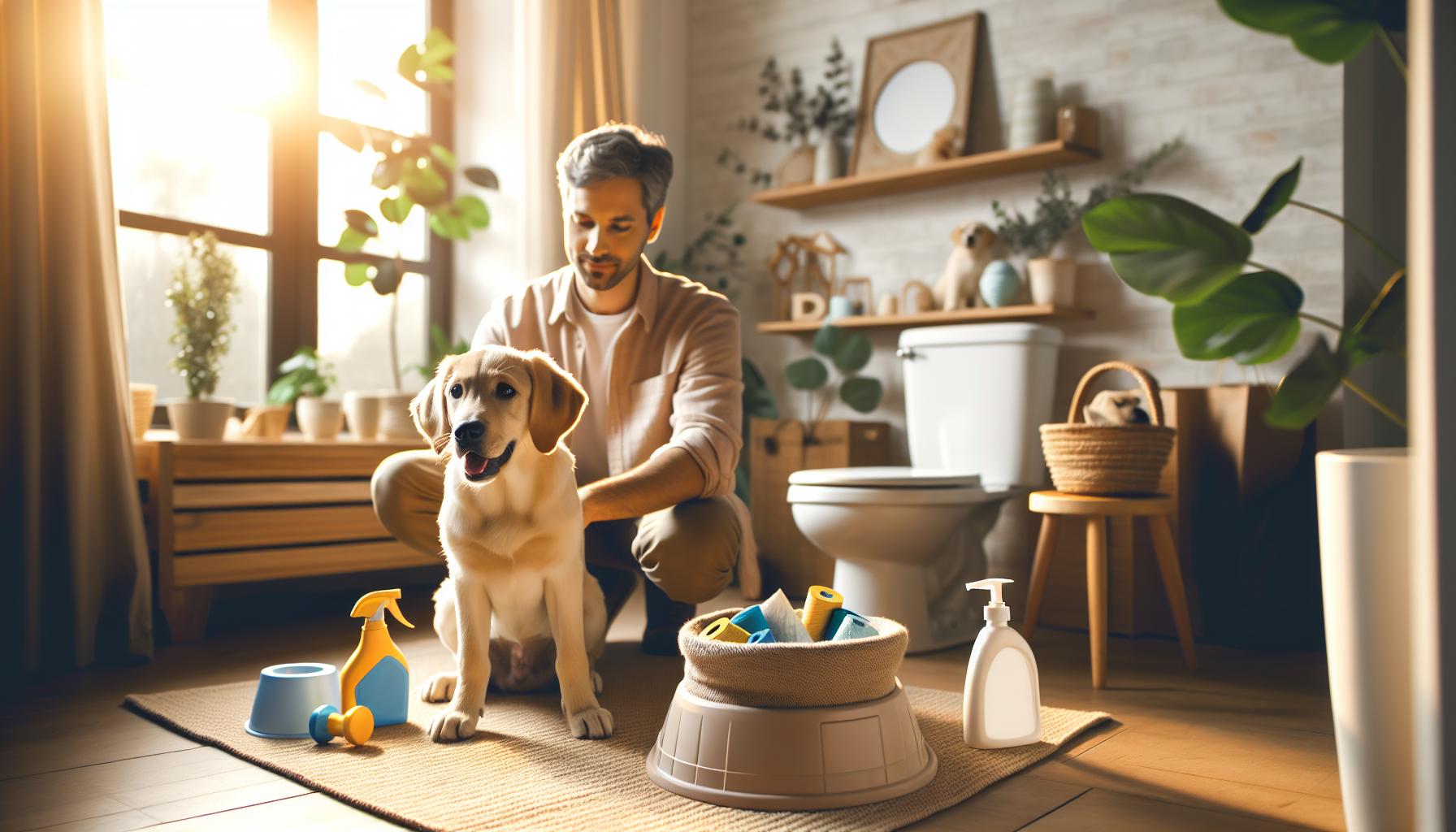
Understanding your dog’s bathroom habits is crucial in ensuring a smooth potty training experience. Just like humans, dogs have specific behaviors and signals that indicate they need to relieve themselves. recognizing these signs can significantly enhance your ability to respond promptly, leading to quicker success in housebreaking your new furry friend. As an example, circling, sniffing the ground, or whining can all be indicators that it’s time for a bathroom break. By closely observing your dog, you can learn their unique patterns and needs, allowing for effective training that respects their natural behaviors.
recognizing Common Bathroom Signals
It’s essential to familiarize yourself with common bathroom habits among dogs, especially puppies. Puppies have small bladders and limited control, making it necessary to understand their needs. Here are some typical signs that your dog may need to go outside:
- Restlessness: If your dog starts pacing or seems unable to settle down, it might be a sign that they need a potty break.
- Begging at the door: Many dogs will let you know they want to go outside by sitting by the door or barking.
- Sniffing or circling: These behaviors often precede elimination as dogs instinctively look for the right spot.
Understanding and recognizing these signals is a key first step in potty training your dog effectively.
Establishing a Routine
Establishing a regular bathroom schedule can further aid in understanding your dog’s bathroom habits. Most dogs thrive on routine, and taking them out at the same times every day helps them develop a predictable bathroom schedule. create a timetable that includes taking your dog outside:
| Time of Day | Activity |
|---|---|
| Morning | Immediately after waking up |
| After Meals | 15-30 minutes post feeding |
| Before Bedtime | Last trip outside before sleep |
By sticking to this routine, your dog will learn when to expect bathroom breaks, making it easier for them to communicate their needs.Regular outings not only reinforce good habits but also provide your dog with ample possibility to relieve themselves outside, which is crucial in the potty training process.
Be patient and consistent,as understanding your dog’s bathroom habits can lead to a successful and stress-free potty training experience,enabling you to achieve your goal of potty training your dog fast with family-friendly techniques.
Setting Up a Consistent Potty Training Routine
Establishing a consistent potty training routine can significantly streamline the process and lead to quicker success. Dogs thrive on routine; it gives them a sense of security and helps them understand what is expected of them. When you incorporate regular patterns into your dog’s potty training, you’re creating an habitat where they can learn and adapt more easily. In this section,we will explore practical steps you can take to develop a reliable routine that works for both you and your furry friend.
Design a Potty Schedule
Creating a structured schedule is crucial for effective potty training. Here are a few key points to consider for setting up an efficient potty routine:
- Frequent Potty Breaks: Puppies have small bladders and typically need to go outside every 1-2 hours. For adult dogs,a break every 4-6 hours may suffice. Always adjust based on your dog’s age and individual needs.
- Consistency is Key: Take your dog out at the same times each day, such as after meals, naps, and play sessions. This consistency helps your dog associate certain times with potty breaks.
- read the Signs: Pay attention to your dog’s behavior. If they circling, sniffing, or whining, it’s time to head outside. Recognizing these signals can help prevent accidents.
Designate a Specific Potty Area
Selecting a specific area outside for bathroom breaks can help your dog understand where they should relieve themselves. This area should be:
- Quiet and Familiar: Choose a spot that is away from distractions and feels comfortable for your dog.
- Easily Accessible: Ensure this spot is easy to reach, whether you are at home or away, to maintain the routine.
- Consistent: Always take your dog to the same area. This repetition will reinforce the idea of this being their bathroom spot.
Track Progress with a Simple Log
Keeping an eye on your dog’s potty habits can help ensure you’re on the right track. Consider maintaining a potty log where you can log:
| Date | Time | Activity | Success/Accident |
|---|---|---|---|
| MM/DD/YYYY | HH:MM AM/PM | Potty Break / Indoor | ✅ / ❌ |
| MM/DD/YYYY | HH:MM AM/PM | Potty Break / Indoor | ✅ / ❌ |
This tracking will help you identify patterns, such as their typical potty frequency and any potential accidents. By understanding these patterns, you can adjust your routine accordingly, ensuring that you’re always prepared and on top of your dog’s potty training process.
a consistent potty training routine lays the groundwork for your dog’s success. Emphasizing structure, tracking progress, and reinforcing their designated potty area will contribute to a smoother and faster training experience, aligning perfectly with family-friendly techniques for success in dog potty training.
Effective Techniques for Quick Learning: Positive Reinforcement
Building a strong foundation for successful potty training revolves around understanding how dogs learn, and one of the most effective methods is positive reinforcement. this technique not only cultivates a healthy relationship between you and your canine companion but also accelerates the overall training process. By rewarding your dog for desired behaviors, you help them associate specific actions with positive outcomes, making it easier for them to grasp the concept of potty training quickly.
understanding Positive Reinforcement
At its core, positive reinforcement involves offering a reward following a behavior you wish to encourage.This can be in the form of treats, praise, or playtime after your dog successfully potties outside.The key is to reward immediately, so your dog can connect the action with the reward. Here are some common rewards that can effectively motivate your dog during the potty training phase:
- Treats: Small, tasty treats work wonders as an immediate incentive.
- Praise: Verbal affirmations like “Good boy!” or “Well done!” reinforce their actions.
- Playtime: A short play session can also be an exciting reward.
steps to Implement Positive reinforcement
To make the most of this effective learning method, consider the following actionable steps:
- Establish a Routine: Dogs thrive on consistency. Take your dog out frequently, especially after meals, playtime, and naps.
- Monitor Behavior: Watch for signs that your dog needs to go,such as sniffing or circling.
- Reward immediately: As soon as your dog successfully potties outside, give them a treat and express your excitement. Immediate reinforcement solidifies the behavior in their mind.
- Be Patient and Consistent: It’s crucial to remain calm and patient if accidents happen indoors. Clean up without scolding your dog, as this can create fear and anxiety around potty training.
| Dog Behavior | Reward Type | Ideal Timing |
|---|---|---|
| Successfully pottied outside | Treats & Praise | Immediately after |
| Showing signs of needing to go | Encouraging words | Before going out |
| Waiting patiently outdoors | Playtime or Extra Treats | After returning inside |
By effectively implementing positive reinforcement, you can transform your dog’s potty training experience into a positive journey for both of you. Not only does this technique speed up the learning process, but it also fosters a trusting environment where your dog feels safe and valued. With consistency, patience, and an array of enticing rewards, you’ll learn just how to potty train a dog fast, making it a seamless family-friendly venture.
Troubleshooting Common Potty Training Challenges
Potty training a dog can be a rewarding yet sometimes frustrating journey. Despite your best efforts, challenges may arise, making it essential to navigate these hurdles with patience and the right strategies. Understanding the common obstacles you might encounter will help you better equip yourself for a successful potty training experience.
Inconsistent Routine
One of the main challenges is maintaining a consistent routine. Dogs thrive on predictability, and any disruption can lead to setbacks in their training.Here are some actionable steps to ensure consistency:
- Establish a Schedule: Take your dog out at the same times each day—after meals, upon waking, and before bedtime.
- use Command Cues: Establish a verbal cue when you take them outside, such as “Go potty.” This reinforces what you want them to do.
- Be Mindful of Watch Time: Monitor your dog’s behavior for signs they need to go, like sniffing or circling.Promptly take them out as needed.
Accidents in the Home
Accidents will happen, especially during the early stages of potty training. Instead of viewing these as failures, consider them learning opportunities. Here’s how to handle accidents effectively:
- Stay Calm: Reacting harshly can create anxiety and worsen the issue. Remember, it’s part of the learning process.
- Clean Thoroughly: Use an enzyme-based cleaner to eliminate odors, preventing your dog from being attracted to the spot again.
- Reinforce Outdoor Potty: when your dog does go outside,reward them immediately with praise or treats to reinforce positive behavior.
| Common Accidental Causes | Solutions |
|---|---|
| Excitement or stress | Provide a calm environment and reinforce quiet behavior. |
| Incomplete understanding of commands | Practice commands consistently to improve recognition. |
| Infrequent bathroom breaks | Increase the frequency of trips outside, especially during training. |
Distractions During Potty Time
Dogs can be easily distracted by their environment,which may lead to them forgetting their training. To keep their focus on potty time, implement these tips:
- Limit Distractions: Take your dog to a quiet area of your yard or a low-traffic area for bathroom breaks.
- Use a Leash: A leash will help keep your dog focused on the task at hand rather than exploring the surroundings.
- Positive Reinforcement: Always celebrate completed potty sessions outside, turning it into a positive experience that encourages them to follow through.
Encountering these challenges during potty training is normal. By sticking to a routine, effectively managing accidents, and minimizing distractions, you’re well on your way to success. remember, patience and positivity are key components of a family-friendly approach to potty training your dog successfully.
Incorporating the Whole Family in the Training Process
involving everyone in the family during the potty training process not only creates a unified training front but also strengthens the bond between your dog and each family member.Dogs thrive on consistency,and when everyone knows their role in the training,it leads to quicker and more effective results. For instance, designating specific times for training sessions, such as immediately after meals or during playtime, ensures that each family member can participate actively, turning these moments into enjoyable routines that everyone looks forward to.
Assigning Roles for Efficiency
To maximize the effectiveness of your family-friendly potty training techniques,assign clear roles to each family member. This not only prevents confusion for the dog but also enhances accountability among family members. Consider the following roles:
- Lead Trainer: This person will oversee the training sessions and ensure that commands are consistently applied.
- Handler: This role can be rotated among family members to take the dog outside when it shows signs of needing to relieve itself.
- Rewards Manager: Designate someone to provide treats and praise whenever the dog successfully goes potty in the right place.
- Documentation Keeper: Keep a log (in a notebook or digital format) tracking the dog’s progress to identify patterns and areas needing improvement.
Tracking progress allows you to celebrate small victories, reinforcing positive behaviors that contribute to successfully potty training your dog.
Creating a Consistent Routine
A consistent potty schedule is vital in the journey of canine education. The family should agree on a specific routine that accommodates everyone’s schedules but provides the dog with enough opportunities to go outside. Here’s a sample daily routine that families might adopt:
| Time | Task | Responsible Family Member |
|---|---|---|
| 7:00 AM | Morning Potty break | Parent 1 |
| 12:00 PM | Lunch Potty Break | Child 1 |
| 5:00 PM | Evening Potty Break | Parent 2 |
| Before Bed | Final Potty Break | All Family Members |
Engaging everyone in this routine does not only help your dog learn where and when to potty but also provides each family member—irrespective of age—with a sense of responsibility.
By making potty training a collective effort, you are not only ensuring your dog learns quickly but are also embedding the training process into the family dynamic. This collaborative approach enhances interaction among family members and fosters a more rewarding experience for everyone involved.
creating a potty-Friendly Environment at Home
Creating a comfortable environment for your dog can significantly enhance the potty training process, making it easier for both you and your furry friend. One of the essential components of an effective potty-training strategy is establishing a designated potty area that is consistent and familiar. This area should be easily accessible and away from other play zones, helping your dog associate that space specifically with going to the bathroom.
Set Up the Designated Potty Area
begin by selecting a specific spot outdoors where your dog will go to relieve itself. This could be a patch of grass, gravel, or even a designated dog potty area in a yard. Consistency is key—every time you take your dog out, guide them to this spot. Use a specific command or phrase every time, such as “go potty,” which will help them understand what you expect. Over time, your dog will learn that this is the place for potty breaks, creating a routine they can easily follow.
Utilize Positive Reinforcement
Positive reinforcement plays a vital role in potty training. reward your dog immediately after they go potty in the designated area. This can include treats, praise, or a favorite toy. Make sure the reward is given right after they finish their business, so they can make the connection between the act and the reward. Consider using a consistent, high-value treat to motivate your dog; this strategy is particularly effective when employing the techniques outlined in How To Potty Train a Dog Fast: Family-Friendly Techniques for Success.
Manage Indoor Environment
To create an effective indoor potty-training environment, minimize the chances of confusion. Keep the potty area clean and discourage access to areas where you don’t want your dog to go.Use baby gates or exercise pens to manage their space or designate certain rooms as off-limits. Additionally, observe your dog for signs that they need to go, such as sniffing, circling, or whining, and take them to their outdoor designated area promptly. Noticing these signals early can prevent accidents and reinforce the potty-training process.
| Potty Training Tip | What to Do |
|---|---|
| Designate a Potty Spot | Choose a consistent location outdoors for potty breaks. |
| Use Commands | use the same phrase, like “go potty,” every time. |
| Reward Success | Give treats or praise immediately after they go. |
| Monitor Indoor Space | Limit areas where your dog can roam and observe for signals. |
By fostering a potty-friendly environment at home, you set the stage for a smoother potty-training journey. With consistency, positive reinforcement, and proper management of your dog’s surroundings, you can effectively guide them in learning where, when, and how to relieve themselves appropriately, following the principles of How To Potty Train a Dog Fast: Family-Friendly Techniques for Success.
Time-Saving Tips for Busy Families
In the hustle and bustle of family life, every minute counts, especially when preparing to bring a new pet into the home. Streamlining your puppy’s potty training process can free up valuable time, allowing you to focus on family activities while ensuring your furry friend learns the ropes quickly. Here are some practical, time-saving tips that busy families can implement to achieve success in potty training with family-friendly techniques.
Establish a Consistent Routine
A solid routine is the backbone of successful potty training.Puppy training, like parenting, thrives on consistency. Setting a regular schedule for bathroom breaks not only helps your dog grasp expectations but also makes it easier for you to manage your time. Consider the following steps:
- Take Your Puppy Out First Thing in the Morning: Start each day with a bathroom trip to set the tone.
- schedule Regular Breaks: aim for every 1-2 hours,especially after meals and playtime.
- Utilize Crate Training: Puppies instinctively avoid soiling their sleeping area, which can aid in faster learning.
Keeping a planner or digital calendar can help track these bathroom breaks effectively.
Involve the Whole Family
When introducing a new pet to the household, engaging everyone in the potty training process is vital. Delegating responsibilities can lighten the load.Here’s how to effectively involve your family:
- Assign Tasks: Make each family member responsible for specific potty breaks.
- Designate “Potty Time” Helpers: Older children can help monitor the puppy’s behaviour and signal when it’s time to go out.
- Celebrate successes Together: reinforce positive behavior with family celebrations when the puppy successfully goes outside.
Working together not only fosters a sense of teamwork but also makes the process more enjoyable.
Use Efficient Training Tools
Utilize modern technology and tools that can save time and effort during the potty training phase. Here are some grate options to consider:
| Tool | Description |
|---|---|
| Potty training Pads | These can provide a temporary solution when taking the puppy outside isn’t feasible, especially during inclement weather. |
| Dog Training Clickers | Utilize clickers for immediate feedback when your puppy goes outside; this speeds up the learning curve dramatically. |
| puppy Cameras | Remote monitoring allows you to keep an eye on your puppy indoors, helping you intervene if a potential accident is about to happen. |
Incorporating these tools into your training routine can alleviate stress and encourage quicker results.
By implementing these strategies, busy families can pave the way for a smoother potty training experience, allowing you more time to enjoy precious moments together while embracing the fun aspects of dog ownership.
Celebrating Small Wins: Building Confidence Together
Building the confidence of both your new furry family member and everyone involved in the potty training process is essential for long-term success. The journey can be filled with ups and downs, but each small accomplishment deserves recognition. Celebrating these tiny milestones not only fosters a more positive atmosphere but also strengthens the bond between you and your dog. Every successful trip outside or accident avoided can feel like a small victory and should be treated in this very way.
Why Celebrating Matters
Acknowledging achievements, no matter how minor, can significantly uplift spirits. For your family, celebrating doggy milestones reinforces patience and commitment, turning training sessions into enjoyable experiences rather than daunting tasks. For your dog, they will associate potty training with praise and happiness, making them more eager to please and learn. Here are a few reasons why celebrating small wins is vital:
- Builds Confidence: Every affirmation boosts your dog’s self-esteem, encouraging them to repeat good behavior.
- Enhances Family Involvement: When everyone participates in celebrating, it nurtures a supportive training environment.
- Creates Positive Associations: Praise and rewards create an emotional connection and motivate your dog to continue progressing.
Ways to Celebrate Achievements
To truly cultivate a supportive environment, incorporate various techniques to celebrate your dog’s progress in potty training. Here are practical methods you can employ to mark these special moments:
- Verbal Praise: Use an enthusiastic tone to tell your dog how proud you are whenever they successfully go outside.
- Treats: Reward them with a small, healthy treat immediately after they potty in the right place.
- Fun play Sessions: After a successful potty time,engage in a fun game or play a favorite toy to let your dog know they did well.
- Family Involvement: Encourage all family members to share in the party.Whether through clapping, cheering, or joining in on the playtime, it strengthens your dog’s understanding of their achievement.
| Milestone | Celebration Ideas | Outcome |
|---|---|---|
| First Successful Outside Potty | Verbal praise + treat | Boosts confidence and reinforces good behavior |
| Consistent Potty Habits for a Week | Weekend outing to a park | Strengthens training bonds and introduces socialization |
| No Accidents for 3 Days | Special treat or new toy | Encourages continued success and excitement |
Through these celebrations, you can create a loving environment that encourages learning and fosters deeper connections. As you embark on this journey with your dog,remember that every small victory is a step closer to achieving the ultimate goal of successful potty training. By building confidence together, you set the stage for both your dog and family to thrive, making the experience not just effective, but enjoyable as well.
Q&A
how to potty train a dog fast?
To potty train a dog fast, establish a consistent routine that includes frequent bathroom breaks, positive reinforcement, and using commands. Additionally, supervise your dog indoors and watch for signs they need to go outside.
Start by taking your dog out first thing in the morning, after meals, and before bedtime. Use a designated spot in your yard and praise them when they do their business. Consistency is key—keep the same schedule to help your dog learn quickly!
What is the best technique for potty training a puppy?
The best technique for potty training a puppy combines routine, rewards, and supervision. Use a crate as a safe space and take the puppy out regularly to reinforce good habits.
By keeping a schedule and rewarding your puppy immediately after they go outside, you help them associate the action with positive reinforcement. if you notice signs of needing to go, quickly take them outside to prevent accidents indoors.
Why does my dog have accidents after being trained?
Dogs may have accidents after training due to stress, changes in routine, or medical issues affecting their bladder control. Ensure your dog feels calm and safe in their environment.
If accidents persist,consider a visit to the vet to rule out health problems. Also, be patient; accidents can happen during transitions or changes in their daily routine.
Can I potty train an older dog quickly?
Yes, you can potty train an older dog quickly by using the same principles as training a puppy, including consistent bathroom breaks and positive reinforcement.Older dogs can learn new habits with the right approach.
be mindful of any past experiences that may affect their behavior. A patient, understanding approach will help your older dog adjust more easily. You may also want to refer to our section on puppy training for specific techniques.
How often should I take my dog outside to potty train them?
Take your dog outside every 1-2 hours, especially after eating, drinking, or playing.Consistent timing helps create a routine that reinforces good habits.
Gradually, as your dog gets the hang of potty training, you can lengthen the intervals between bathroom breaks. Always monitor your dog’s signals to gauge when they specifically need to go.
what are common mistakes to avoid when potty training a dog?
Avoid common mistakes like punishing your dog for accidents, ignoring signals, or changing routines suddenly. These can confuse your dog and hinder their progress.
Instead, focus on positive reinforcement and maintaining a steady schedule. Building an understanding and trusting relationship will help you and your dog succeed in the potty training process.
How long does it take to potty train a dog fast?
Potty training a dog can take anywhere from a few days to a few weeks, depending on the dog’s age, consistency, and individual temperament. Using the right techniques can help speed up the process.
While puppies typically take longer due to their developmental stage, older dogs can frequently enough adjust faster with clear communication and routine. consistency and patience are crucial during this time!
In Conclusion
In wrapping up our guide on how to potty train your dog efficiently, remember that patience and consistency are your best allies in this rewarding journey. By using family-friendly techniques,you can create a positive environment that encourages learning and bonding. Celebrate the small victories along the way, and don’t hesitate to lean on your support system—whether that’s friends, family, or fellow pet parents.Each dog is unique, so tailor your approach to fit your furry companion’s personality and needs. As you navigate the potty training process, know that you are not alone—many parents have walked this path and emerged with a well-trained pup by their side. Keep exploring, stay positive, and enjoy this special time together. Your commitment and love will shine through,making all the differences in achieving success!


