


Navigating the world of homeschooling can feel overwhelming, especially for single parents balancing work and family life. by understanding essential first steps and resources available,you can create a fulfilling educational experience for your child. This journey not only fosters a strong bond but also empowers you to tailor learning to your child’s unique needs.
Understanding Your Homeschooling options as a Single Parent

For a single parent, entering the world of homeschooling can seem daunting, yet it also offers a unique opportunity to tailor education to your individual child’s needs. With the right approach,homeschooling can foster a strong bond between you and your child while providing a flexible learning environment. Understanding your options is the first step towards a successful homeschooling experience.
Exploring Your Educational Paths
When considering how to get started homeschooling as a single parent, it’s essential to explore the various educational paths available. Each option has its unique benefits, so determining which fits your family best is crucial. Here are some popular homeschooling methods:
- Conventional Homeschooling: This approach emulates a typical school environment at home, involving structured schedules and a predetermined curriculum.
- Unschooling: A more relaxed method that encourages children to learn through exploration and interest-driven experiences rather than a fixed curriculum.
- Charlotte Mason Method: Focused on literature,nature studies,and the arts,this method promotes a rich,broad-based education.
- Montessori: Emphasizes hands-on, experiential learning and supports independence in a child’s educational journey.
Choosing the right approach should align with not only your child’s learning style but also your availability and resources. It frequently enough helps to attend local homeschooling meetings or connect with online communities to gather insights from other single-parent educators.
Budgeting for Homeschooling
Understanding the financial aspect of homeschooling is equally crucial. As a single parent,you might have limited resources,but homeschooling can be adapted to fit various budgets. Some essential cost factors include curriculum materials, extracurricular activities, and field trips. Below is a simplified table of estimated costs associated with common areas of homeschooling expenses:
| expense Category | Estimated Cost |
|---|---|
| Curriculum | $200 – $1,000 per year |
| Supplies | $100 – $300 per year |
| Extracurricular Activities | $50 – $500 per year |
| Field Trips | $100 – $300 per year |
Remember,many resources are available for free or at a reduced cost,from online courses to local library materials. researching and utilizing community resources can significantly ease the financial burden.
Creating a Support Network
In your journey of how to get started homeschooling as a single parent, building a support network can be incredibly beneficial. Connecting with other homeschoolers can provide emotional support, practical tips, and shared resources. Consider the following avenues:
- Local Support Groups: Many regions have homeschooling groups that host events, workshops, and meetups.
- Online Forums: Websites and social media groups dedicated to homeschooling provide a wealth of details and camaraderie.
- Co-op Opportunities: Some local co-ops organize shared classes, which offer more learning options and socialization for your child.
Leveraging these connections not only enriches your homeschooling experience but also reduces feelings of isolation, which can be particularly challenging for single parents. Establishing a supportive community can make the transition into homeschooling smoother and more enjoyable for both you and your child.
Setting Realistic Goals for Your Child’s Education
As you embark on the journey of homeschooling, especially as a single parent, understanding the importance of setting achievable educational goals for your child cannot be overstated. Realistic goals not only help create a clear direction for your curriculum but also make the process more rewarding and less overwhelming. By breaking down your educational ambitions into smaller, manageable objectives, you can cultivate a learning environment that fosters growth and confidence.
Identify Your Child’s Strengths and Interests
Before you can establish educational goals,it’s essential to take an inventory of your child’s unique abilities and passions. Consider conducting assessments or integrating informal observations into your daily activities. Questions to ponder include:
- What subjects does your child show enthusiasm for?
- At what pace does your child learn best?
- What are their current academic strengths and weaknesses?
Tailoring your goals to align with your child’s individual learning style not only keeps them engaged but also enhances their chances of success.
SMART Goal Framework
Utilizing the SMART criteria can greatly enhance your goal-setting strategy. SMART stands for Specific, Measurable, Achievable, Relevant, and Time-bound. Here’s how you can apply it:
| Component | Description |
|---|---|
| Specific | Clearly define the goal: “read 10 books this semester.” |
| Measurable | Identify how you’ll track progress: “keep a reading log.” |
| Achievable | Ensure the goal is realistic given your resources and time: “Read two books a month.” |
| Relevant | Make sure it aligns with your child’s interests or educational needs: “Choose books based on their favorite topics.” |
| Time-bound | Set a deadline: “Complete by the end of the semester.” |
This framework allows you to create a structured approach that not only encourages your child’s academic growth but also instills a sense of obligation and achievement.
Review and Adjust
Once you’ve established goals, make it a habit to review them periodically.Life as a single parent can be unpredictable; some objectives may need to be adjusted based on your child’s progress or changing circumstances. Be flexible and open to modifying your goals to ensure they remain relevant and inspiring. By celebrating small milestones along the way, your child will feel a sense of accomplishment that fuels their motivation, making your educational journey a fulfilling experience for both of you.
is a crucial first step in the homeschooling journey. with thoughtful planning and a focus on adaptability, you can create an empowered learning environment that nurtures your child’s academic and personal growth.
Creating a flexible and Supportive Learning Environment

Creating a learning environment that is both flexible and supportive is essential for homeschoolers, especially those navigating the path as single parents. A well-structured yet adaptable approach not only accommodates your child’s educational needs but also caters to the dynamic nature of daily life. This balance can empower your child to thrive, making the journey through homeschooling a rewarding experience for both of you.
Understanding Your Child’s Learning Style
The first step in establishing a supportive learning environment is recognizing that each child has a unique way of learning. Some may excel with hands-on activities, while others prefer auditory or visual instruction. To tailor the experience, consider evaluating your child’s preferred learning style through simple assessments or observing how they engage with various subjects. Strategies might include:
- Visual Learners: Use diagrams, videos, and charts.
- Auditory Learners: Incorporate discussions and audiobooks.
- Kinesthetic Learners: Engage in experiments and field trips.
Working with your child’s natural proclivities can foster a stronger enthusiasm for learning and enhance retention of information, making your homeschooling experience both effective and enjoyable.
Creating a Flexible Schedule
Another key aspect to consider is how you structure the learning day. As a single parent, you may juggle various responsibilities, so a rigid schedule might add unneeded stress. Instead, consider implementing a blend of routine and adaptability. Here are some ideas to help you craft an effective schedule:
| Time Frame | Activity | Notes |
|---|---|---|
| 8:30 AM – 9:00 AM | Morning Routine | Encourage independence; include breakfast and self-care. |
| 9:00 AM – 10:30 AM | Focused Learning | Core subjects; adjust based on energy levels. |
| 10:30 AM – 11:00 AM | Break | Time for snacks or play; recharge before next session. |
| 11:00 AM – 12:30 PM | creative Time | Art, music, or hobbies; excellent for free expression. |
| 12:30 PM – 1:30 PM | Lunch & Free Play | Encourage social interaction with lunch dates or playdates. |
This framework allows you to adjust based on your child’s interests or unexpected obligations, reinforcing the idea that learning can happen both in and out of structured environments.
Incorporating Community Resources
Don’t overlook the value of leveraging community resources to enrich your homeschool experience. Many local organizations, libraries, and museums offer programs designed for homeschoolers that can greatly enhance your curriculum.Engaging in community education not only broadens your child’s learning opportunities but also fosters social connections that can be beneficial for both of you.
Encourage your child to participate in co-op classes or community projects. These initiatives can offer diverse subjects, skilled instructors, and a chance for your child to engage with peers, expanding their learning network. This approach not only alleviates some pressure on you as the primary educator but also helps create a well-rounded educational experience reminiscent of traditional schooling.
by adopting these strategies, you can cultivate a flexible and supportive environment that will enhance your journey in educating your children as a single parent. Remember, taking the first steps toward homeschooling can be both exciting and challenging, but a thoughtfully crafted space for learning will make all the difference.
Finding Resources and Curriculum That Fit Your Family’s needs
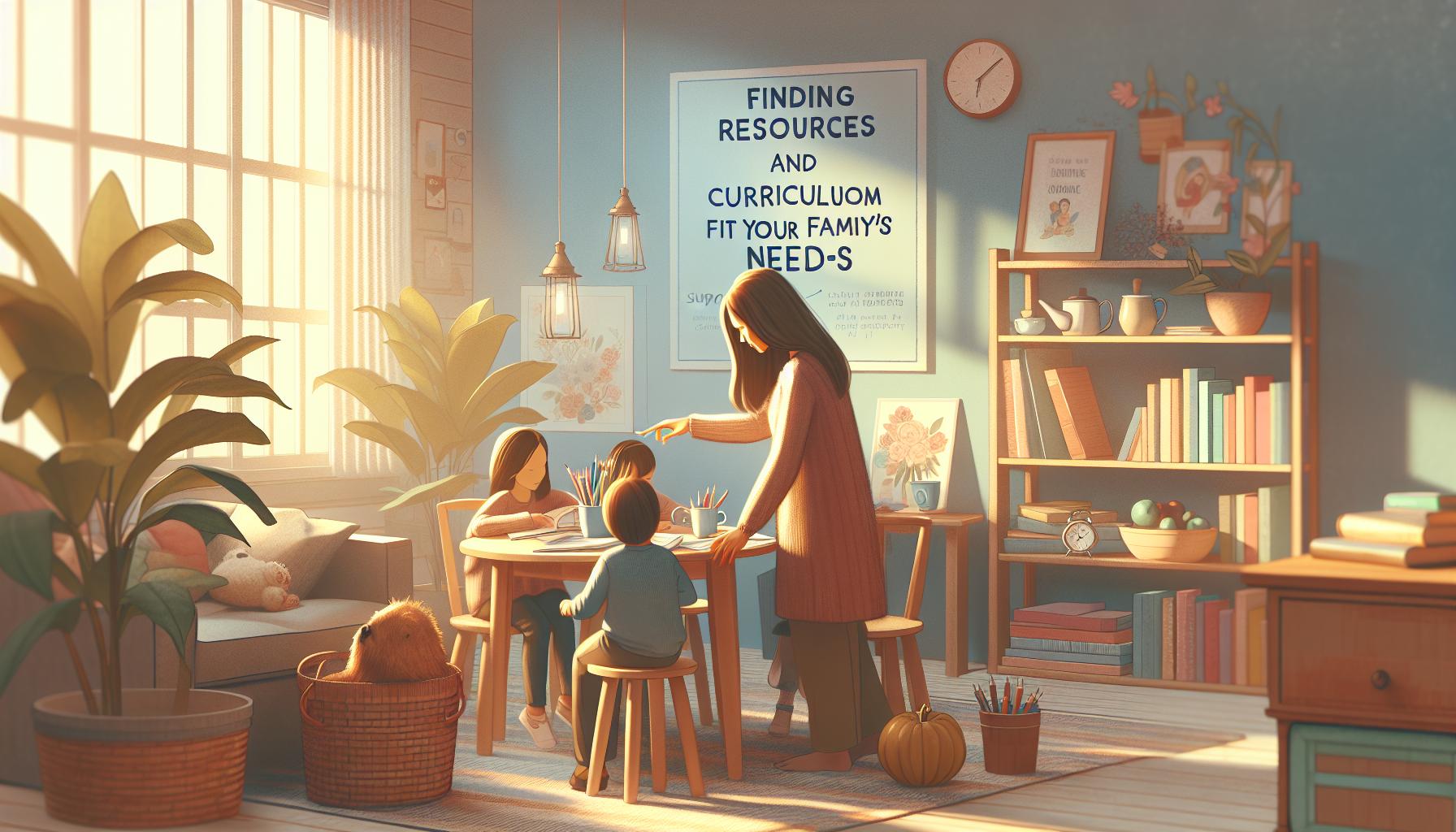
Finding the right resources and curriculum is a crucial step for single parents embarking on the homeschooling journey. with a myriad of options available, tailoring a program that fits your family’s unique needs can feel overwhelming. However,understanding the diverse educational resources can transform this challenge into an exciting adventure. Many parents find that a blend of free online tools, thorough programs, and structured lesson plans can provide a well-rounded approach to education at home.
One excellent starting point is Freedom Homeschooling, which offers a wide range of free homeschool curriculum options for all grades and subjects.This resource allows you to access complete programs rather than supplements—ideal for single parents looking to streamline their teaching efforts. You can explore various subjects and grade levels, ensuring that your child receives a customized education that fits their learning style and interests. Check out their offerings here.Another invaluable resource is the compilation of top homeschooling resources that help parents navigate the curriculum landscape. Various websites, such as Prodigy game, break down educational resources by topic, providing educational tools across a broad spectrum. this resource not only highlights curriculum options but also includes helpful planning tools to create a structured learning environment at home. Discover these parental supports here.
Along with these tailored websites, consider creating a personalized curriculum schedule that incorporates both traditional academic subjects and your child’s passions. For instance, if your child loves science, you might source engaging science experiment kits or online science courses that ignite curiosity while reinforcing learning objectives. By mixing core subjects with interests, you can create a dynamic homeschooling experience that keeps your child motivated and engaged in the learning process.
Ultimately, as you explore how to get started homeschooling as a single parent, leverage these diverse resources to construct a curriculum that resonates with your family’s values and educational goals. By being proactive and resourceful, you can equip your child for success while enjoying the flexibility and joy that homeschooling brings.
Building a Daily Routine That Works for You and Your Child
Creating a daily routine that effectively balances education and life may seem daunting as a single parent. However, establishing a well-structured schedule not only enhances your child’s learning experience but also fosters predictability and stability in your household. By incorporating both educational activities and personal time, you can create a nurturing environment that supports your child’s academic growth while allowing you to manage your responsibilities effectively.
Identify Core Learning Hours
Start by determining the most conducive times for learning in your home. Some children excel in the morning, while others might be more attentive in the afternoon. To find the right fit for your child, consider the following steps:
- Assess your child’s energy levels: Notice when your child is most engaged and attentive during the day.
- Plan around your commitments: take into account your work schedule,household responsibilities,and other commitments.
- Experiment: Be willing to try different time blocks for a week or two to analyze what works best.
Once you’ve identified the peak learning hours, you can begin to structure the day around these periods while ensuring adequate breaks to avoid burnout.
Incorporate Flexibility
Life as a single parent is unpredictable, so it’s vital to build flexibility into your routine. While consistency is key for effective learning, unexpected events will arise. Consider the following tips:
- Build buffer time: Design your schedule with extra time between activities to allow for delays.
- Use “make-up” days: If a day doesn’t go as planned, schedule a couple of catch-up days in your month.
- Adjust when necessary: If your child shows interest in a particular subject, allow time for exploration and revelation beyond your planned curriculum.
Mix Learning Styles
every child learns differently, and a routine that incorporates various teaching methods can help keep your child engaged. Here’s a breakdown of effective activities to consider:
| Learning Style | Activities |
|---|---|
| visual | Use charts, videos, and colorful diagrams for subjects like math and science. |
| auditory | Incorporate podcasts, discussions, and audiobooks, particularly in language arts. |
| Kinetic | Utilize hands-on projects, physical activities, and educational games. |
| Interpersonal | Encourage group projects with peers or family members to enhance collaboration. |
| Intrapersonal | Allocate time for individual reflection, journaling, and self-paced learning. |
By tailoring your daily routine to include these varied approaches, you not only cater to your child’s unique learning style but also keep them motivated and keen about their education. Remember, a well-thoght-out routine is essential to turn the journey of homeschooling into a rewarding experience for both you and your child.
Connecting with Homeschooling Communities and Support Networks
Connecting with fellow homeschooling families can be one of the most enriching aspects of the homeschooling journey.For single parents navigating this path, building a supportive network is not just beneficial; it can be essential. Studies show that children who engage with peers and participate in a broader community often show enhanced social skills and academic performance. Thus, finding and should be one of your top priorities as you embark on this journey.
Explore Local and Online Communities
To start, consider joining local homeschooling groups. These can be found through social media platforms, community centers, libraries, or even local churches. Many cities have co-ops where parents collaborate to offer classes or share resources. Participating in local events, meetups, or homeschooling fairs will help you connect with other families who understand the unique challenges and triumphs of homeschooling as a single parent.
Online communities are equally valuable, providing access to resources, forums, and support groups around the clock. Websites like facebook, Reddit, or specialized homeschooling forums can offer advice, lesson plans, and emotional support. many online networks facilitate group discussions, webinars, and virtual meetups, which are especially convenient when juggling the demands of a single-parent household.
Benefits of Connecting with Other Homeschoolers
Establishing these connections can lead to numerous benefits:
- Resource Sharing: Access a wealth of knowlege by sharing lesson plans, book recommendations, and educational resources.
- Social Interaction: your children can benefit greatly from social activities organized by these groups, such as field trips, sports, and group classes.
- Emotional Support: being part of a community can provide you with encouragement during difficult times, helping you realize you are not alone in this undertaking.
- Co-op Opportunities: Join forces with other parents to create co-op classes where your children can benefit from a wider array of subjects taught by different parents.
Finding the Right Fit
When looking for the right community, consider your family’s values, educational ideology, and your children’s needs. Some groups may focus on classical education while others might prioritize a more relaxed, child-led approach. It’s essential to choose a community that aligns with your family’s educational goals to maximize the benefits.
| Group Type | Pros | Cons |
|---|---|---|
| Local Co-ops | Hands-on learning, socialization | time commitment, potential travel |
| Online forums | flexible support, vast resources | Lack of in-person interaction |
| Formal Organizations | Structured resources, curriculum support | Membership fees, varying philosophies |
As you navigate through the initial stages of homeschooling, remember that establishing connections with others on a similar journey can foster both your growth and your child’s. By engaging with a supportive network, you’ll find an abundance of resources, encouragement, and camaraderie that will not only make your homeschooling experience more enjoyable but will also provide an enriching environment for your child. Embracing the community aspect is vital; it’s one of the most powerful tools you can leverage as you learn how to get started homeschooling as a single parent.
Balancing Work, Life, and Homeschool Responsibilities
Finding harmony amidst the chaos of single parenting, work commitments, and the unique responsibilities of homeschooling can seem daunting. However, many single parents are successfully navigating this multifaceted journey.The secret lies in creating a structured environment, establishing boundaries, and ensuring that self-care remains a priority. Balancing these responsibilities is not just about time management; it’s about creating a supportive atmosphere for both you and your child.
One effective method to juggle these commitments is to implement a flexible yet reliable schedule. Consider setting specific time blocks for work, homeschooling, and personal time. This organized approach not only promotes productivity but also enhances family bonding through shared activities. Here’s a simple table that illustrates a potential daily schedule:
| Time | Activity |
|---|---|
| 7:00 AM – 8:00 AM | Morning Routine (breakfast, Prep for the Day) |
| 8:00 AM – 10:00 AM | Homeschool Session (Math, Reading) |
| 10:00 AM – 12:00 PM | Work Block (Focus on Projects) |
| 12:00 PM – 1:00 PM | Lunch and Family Time |
| 1:00 PM – 3:00 PM | Homeschool Session (Science, Art) |
| 3:00 PM – 5:00 PM | work Block (Meetings, Calls) |
| 5:00 PM – 7:00 PM | Family Activities/Self-Care (Exercise, Hobbies) |
In addition to establishing a routine, embrace the concept of *learning through life experiences*. instead of viewing homeschooling as a rigid educational structure, integrate lessons into daily activities, such as cooking, gardening, or shopping. For example, calculating ingredients for a recipe not only teaches math but also facilitates a fun bonding experience. Be creative and leverage every opportunity to reinforce curriculum subjects in a practical, engaging manner.
Moreover, don’t hesitate to reach out for support from virtual co-ops or local homeschooling communities.Connecting with other homeschooling parents can provide valuable resources, lesson plans, and emotional support. Sharing responsibilities—whether it’s co-teaching, childcare swaps, or group projects—can alleviate some of the pressures you may feel. Remember, homeschooling doesn’t have to be a solo endeavor; creating a network can enrich your experience and offer varied insights and methods.
lastly, carve out time for yourself to recharge and reflect. Self-care can range from quick breaks for mindfulness to planning a well-deserved night out with friends. Prioritizing your own well-being ensures that you are mentally and physically equipped to meet your child’s educational needs and manage your professional responsibilities effectively.is an ongoing process, but with thoughtful planning and a supportive community, your dual role as a parent and educator can be both manageable and fulfilling.
Embracing the Journey and Celebrating Progress Together
The transition to homeschooling may often feel daunting, especially for single parents who are navigating this path alone. However,it’s also an incredibly empowering experience that allows for deep connections and unique learning opportunities. By embracing this journey, single parents can create inspiring educational environments where both they and their children thrive, celebrating each milestone together as a cohesive family unit.
As you embark on this adventure, make it a priority to acknowledge and celebrate progress, no matter how small. setting achievable goals can transform your homeschooling experience into a journey of discovery and personal growth. Consider breaking the school year into manageable terms and focusing on learning objectives that resonate with both you and your child. here are some ideas for celebrating milestones:
- Weekly Review Days: Dedicate a day each week to reflect on what’s been accomplished and what needs to be adjusted.
- Monthly Theme Celebrations: Plan a fun activity or field trip related to the theme of study for that month.
- Achievement Boards: Create a board to showcase your child’s work, including artwork, projects, and academic achievements to create a sense of pride.
Documenting your journey can also be a wonderful way to manifest and celebrate progress. Consider maintaining a homeschooling journal or a digital portfolio that captures key moments, learning experiences, and milestones. This not only serves as a reflection tool but also provides an opportunity for both you and your child to look back and appreciate how far you’ve come. Regularly reviewing this timeline of achievements can reinforce self-confidence and motivate continual progress.
Moreover, community support plays a pivotal role in enhancing the homeschooling experience. Engage with other homeschoolers, whether virtually or locally, to share resources, ideas, and encouragement. Connecting with others who are also learning how to get started homeschooling as a single parent can ease feelings of isolation. Consider forming a co-op, where families can collaborate on teaching certain subjects or hosting social events. Together, you can navigate challenges, celebrate successes, and understand that every step, no matter how small, is a valuable part of the educational journey.
FAQ
How to get Started Homeschooling as a Single Parent: First Steps?
To get started homeschooling as a single parent, begin by researching local laws and your child’s educational needs. Create a structured plan that includes curriculum choices and a daily schedule. Engaging support networks can also make this transition smoother.
It’s essential to understand the legal requirements in your area regarding homeschooling. In addition, consider your child’s learning style to ensure the chosen curriculum meets their needs.Join support groups for single parents homeschooling to share resources and experiences.
What is the best curriculum for single parents starting to homeschool?
The best curriculum for single parents can vary, but look for options that are flexible and allow for autonomous learning. Consider online programs and resources that cater to different learning styles.
Some popular choices include *K12*, *Time4Learning*, and *Reading Eggs*. These programs provide comprehensive materials and lesson plans, making them manageable for single parents. assessing your child’s preferences can help tailor the curriculum to fit their needs.
Can I homeschool my child without a teaching background?
Yes, you can homeschool your child without a formal teaching background. Many single parents successfully educate their children using resources, online courses, and a strong commitment to learning.
Utilizing online platforms, educational websites, and community resources can enhance your teaching capabilities. Remember, your enthusiasm and support are crucial factors in your child’s success. Connect with other homeschoolers for guidance and tips.
Why does homeschooling work well for single parents?
Homeschooling can be beneficial for single parents because it offers flexibility, allowing for personalized learning experiences. This adaptability helps accommodate a single parent’s schedule and their child’s unique needs.
Moreover, homeschooling fosters a strong parent-child bond, allowing you to engage deeply in your child’s education. you can tailor learning to fit your family’s daily routine and values, making education more relevant and impactful.
What resources can support single parents in homeschooling?
Numerous resources are available to support single parents in homeschooling, including online communities, local co-ops, and educational materials. Websites like *Homeschool Legal Defense Association* are invaluable for information and guidance.
Your local library often offers free resources, workshops, and access to educational documentaries, which can be excellent tools for supplementing your curriculum. Online forums and social media groups also provide a wealth of shared experiences and practical advice.
How do I balance homeschooling with work as a single parent?
Balancing homeschooling and work requires careful planning and a flexible schedule.Use a structured daily routine that allocates specific time blocks for both education and work commitments.
Incorporate *asynchronous learning* where your child can study independently while you manage work tasks. This ensures that you can fulfill your responsibilities while still providing quality education. Finding a work-from-home job with flexible hours can also significantly ease this balance.
What are some common challenges single parents face in homeschooling?
Common challenges include time management, financial constraints, and emotional stress.Single parents often juggle multiple responsibilities, which can make consistent curriculum delivery difficult.
It’s crucial to develop a support network of other homeschooling families and seek local resources to help ease financial burdens. Remember, taking small steps and being gentle with yourself is essential as you navigate this journey.
To Conclude
As you embark on your homeschooling journey as a single parent, remember that you are not alone. Finding the right resources, creating a flexible schedule, and discovering a supportive community can make all the difference. Embrace the unique opportunity you have to connect with your child in this educational adventure. Take small,manageable steps,and trust in your ability to adapt and grow alongside your child.Every question you ask and every moment you spend together is a step towards building a rich learning experience. don’t hesitate to reach out, share your experiences, and explore further—there’s a world of resources and support waiting for you. With determination and love, you can create a fulfilling and successful homeschooling environment. Keep moving forward and enjoy this incredible journey!
Get our latest guides, news, and insights highlighted in your Google Search & AI Overviews.


