

Creating a nurturing environment for homeschooling can be challenging, especially for single parents juggling multiple responsibilities. This article explores effective strategies for designing functional learning spaces that enhance education at home, emphasizing the importance of organization and adaptability in supporting diverse learning needs. Discover how to transform your home into a thriving educational haven for your children.
Designing a Learning Environment That Works for Your Family
Creating a conducive learning environment at home is essential, especially for single parents navigating the complexities of homeschooling. The right setup can not only enhance academic performance but also foster a love for learning. With thoughtful design, you can transform any space into a vibrant classroom tailored to your family’s unique needs.
To begin, identify a specific area in your home dedicated to education. Even small spaces can be optimized with creative organization. As an example, consider using multi-functional furniture, such as a desk that doubles as a storage unit or a portable cart that can be moved to different locations as needed. This flexibility allows for a dynamic learning atmosphere that can adapt as your children grow or as your teaching methods change.
Key Elements of an Effective Homeschooling Space
When designing your homeschooling area, incorporate these vital elements:
- Comfort: Ensure that seating is cozy and supportive to promote focus during learning sessions.
- Lighting: Utilize natural light where possible and supplement with adjustable lighting to create a warm, inviting atmosphere.
- Resources: Keep essential materials—books, supplies, and learning tools—within easy reach to avoid interruptions.
- Distraction-Free Zone: minimize noise and visual distractions for a more productive learning experience.
Tables can also enhance organization in your learning space. Below is an example of how to structure resources effectively:
| resource Type | Location | Usage |
|---|---|---|
| Books | Shelf near desk | Reference and reading |
| Art Supplies | Storage cart | Creative projects |
| Technology (Tablet/PC) | Desk | Online learning and research |
In addition to the physical setup,incorporate routines and schedules to create a sense of normalcy and discipline.Structured times for lessons, breaks, and self-reliant work can help children stay focused and motivated. This is particularly important for single parents, who often juggle multiple responsibilities. By establishing clear boundaries and expectations, you set the stage for a successful homeschooling experience.
Ultimately, designing an effective learning space is about creating an environment that nurtures curiosity and creativity while accommodating the specific dynamics of your family. By taking a thoughtful approach, single parents can develop a homeschooling setting that not only supports academic goals but also fosters lasting connections and memorable learning experiences.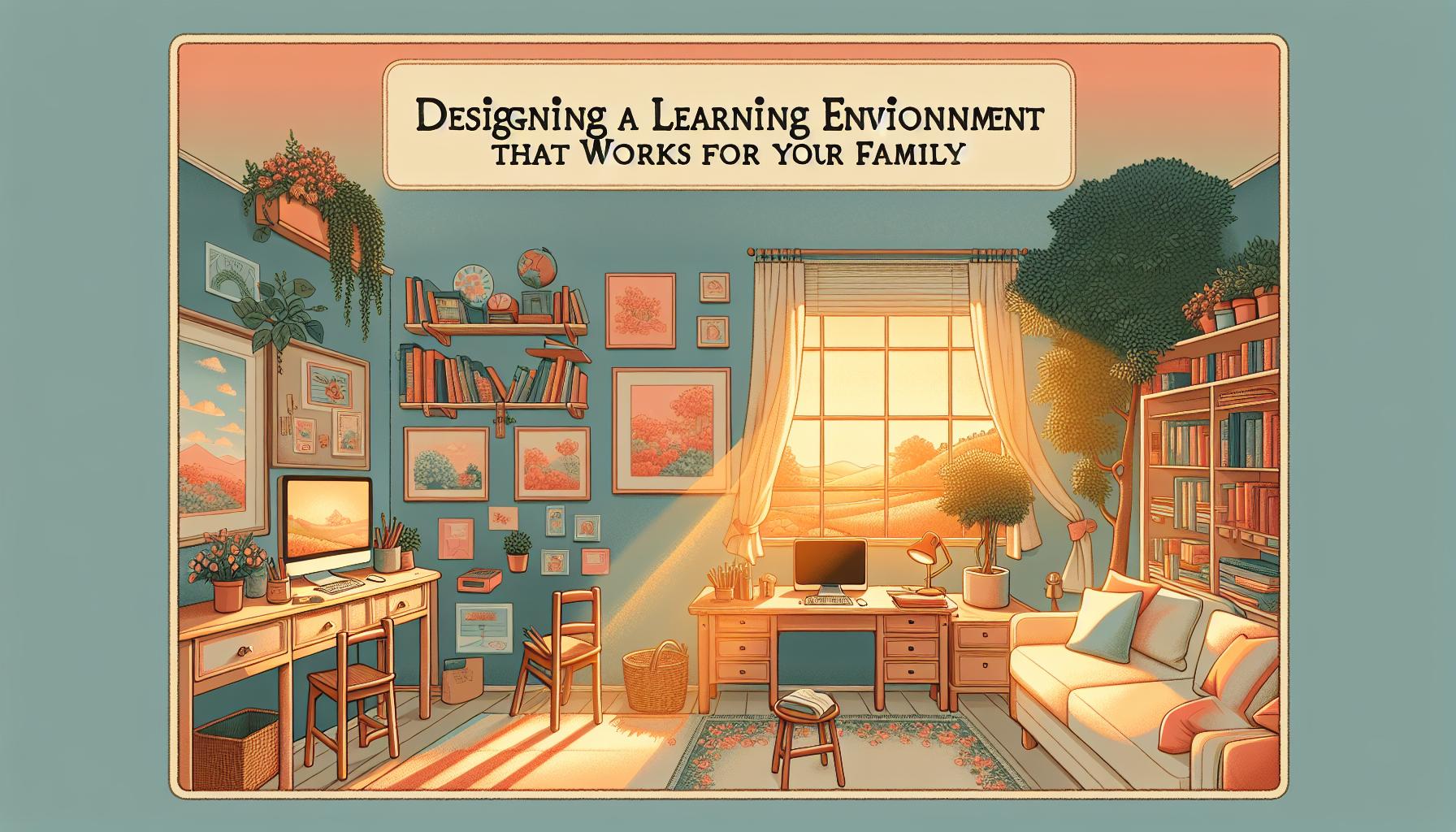
essential Tools and Resources for Home Educators
Creating a nurturing and effective homeschooling environment is crucial for single parents aiming to provide the best educational experience for their children. A well-equipped home learning space not only enhances learning but also fosters creativity and independence. To achieve this, it’s essential to gather various tools and resources that cater to different subjects and learning styles.
Must-Have Tools for Learning
Equipping your homeschooling space with the right tools can make a notable difference in the learning process. Here’s a list of essential supplies to consider:
- Books and Curriculum Materials: Invest in a diverse set of textbooks,workbooks,and educational resources tailored to your child’s grade level and interests.
- Technology: A reliable computer or tablet not only aids in research but also provides access to online learning platforms, which can be invaluable.
- Art Supplies: Items like colored pencils, paints, and paper encourage creativity and can be integrated into various subjects to make learning more engaging.
- Science Kits: Having a set of hands-on science tools and experiments, like those offered by Home Science Tools, can spark your child’s curiosity and make complex concepts easier to understand.[[1]]
Organizational Tools for a Streamlined Experience
An organized workspace can greatly enhance productivity and minimize distractions. Consider implementing the following organizational tools:
- Storage Solutions: Use bins,shelves,and file cabinets to keep materials sorted and easily accessible.
- Scheduler or Planner: A family calendar or individual planners can definitely help manage time effectively, ensuring that all subjects receive adequate attention.
- Educational Apps: Use apps and online resources for tracking progress, creating quizzes, and engaging students in interactive learning.
Community and Support Resources
Along with physical materials, support networks are invaluable for single parents navigating the homeschooling journey. connecting with local homeschooling groups or online forums can provide:
- Resource Sharing: Access to various educational materials shared by fellow homeschoolers can enrich your teaching toolkit.
- Socialization Opportunities: Joining a co-op or arranging meet-ups with other homeschool families offers social interaction for your children, which is essential in their developmental stages.
- Advice and Inspiration: Engaging with a community can provide encouragement and innovative ideas that make learning fun and effective.
By thoughtfully selecting resources and creating an intentional space, single parents can foster an enriching learning environment that supports their children’s educational success.
Balancing structure and Flexibility in Your Homeschooling Space
Creating a dynamic learning environment at home necessitates a careful blend of structure and flexibility, especially for single parents navigating the world of homeschooling. Establishing a consistent routine can provide the necessary framework that fosters discipline and accountability in your child’s education.However, it’s equally important to maintain a level of adaptability that allows for spontaneity and the natural ebb and flow of daily life. Optimizing this balance can enhance both the homeschooling experience and family life as a whole.
Establishing a Flexible Routine
A well-structured schedule can anchor your day while allowing for fluidity in learning. Consider designing a daily timetable that includes dedicated blocks for core subjects, creative activities, and physical education.This can definitely help set expectations for both you and your child. However, don’t hesitate to swap out activities based on your child’s interest or mood. Such as, if your child shows enthusiasm for science one day, you might extend this subject while modifying the planned history lesson for another day.
- Morning Block: Math and reading
- Midday Block: Lunch and outdoor activity
- Afternoon Block: Science, history, or art projects
This adaptability ensures that learning remains engaging and responsive to your child’s needs, preventing feelings of monotony or burnout. Consider using a whiteboard or a digital calendar to visually track the day’s activities. Adjustments can be made in real-time, fostering an environment that encourages both organizational skills and creativity.
Creating Designated Learning Spaces
Along with a flexible routine, creating designated spaces within your home can enhance concentration and promote effective learning. This doesn’t require a dedicated classroom; a quiet corner of the living room or a cozy nook in a child’s bedroom can suffice. Ensure that each space is equipped with necessary supplies—books,notebooks,and art materials—to minimize distractions.
| Space | Purpose | Supplies Needed |
|---|---|---|
| Living Room Corner | Reading and quiet study | Books, study tools |
| Kitchen Table | Hands-on projects and experiments | Art supplies, science kits |
| Backyard or Park | Physical education and nature studies | Sports equipment, nature guidebooks |
These spaces can be altered based on activity type, ensuring that you incorporate variety into your child’s learning environment. By rotating use among areas, you can maintain a sense of novelty and excitement, which is crucial for keeping children engaged in their studies.
successfully allows for a more enriching educational experience. By setting a routine while remaining open to modification, and creating various learning areas, single parents can create effective homeschooling environments that cater to their child’s evolving interests and needs.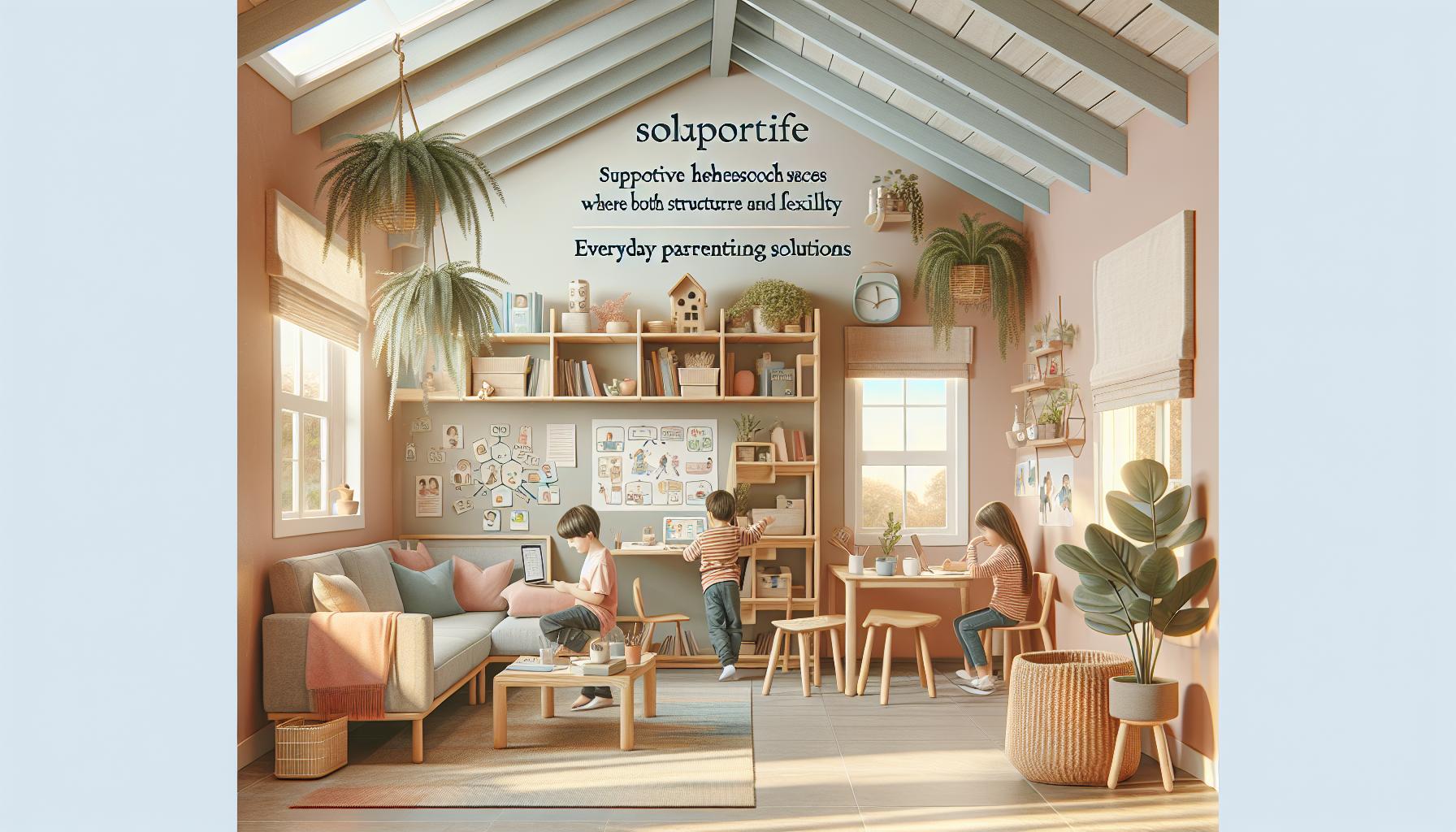
Creating a Peaceful and Productive Atmosphere for Learning
Creating a conducive learning environment is essential for effective homeschooling, particularly for single parents who juggle multiple responsibilities. A thoughtfully arranged space can significantly influence a child’s motivation and focus, turning ordinary tasks into engaging learning experiences. Incorporating elements that promote tranquility and productivity can transform your home into a thriving educational center.
Designing the Learning Space
To create a peaceful atmosphere, start with the organization of your homeschooling area. This means decluttering and ensuring that everything has its place. Consider using storage solutions such as bins, shelves, and baskets to keep materials organized and easily accessible. Arrange the furniture in a way that allows for both individualized work and collaborative projects. A dedicated nook for reading or quiet study can encourage children to dive into their books, while a larger table can facilitate group activities and discussions.Color schemes and lighting also play a crucial role in shaping the mood of the classroom. Soft, calming colors like pastel blues or greens can reduce stress and help maintain focus.Ensure that there’s adequate natural light or invest in good quality lighting that simulates daylight, as this can enhance concentration and mood.
Incorporating Nature and Comfort
Bringing elements of nature indoors can be incredibly beneficial. Incorporate plants or natural elements into your learning environment to stimulate creativity and provide fresh air. For example, having a small herb garden on a windowsill can teach children about biology and responsibility at the same time. Additionally, comfort is key; consider using cushions, rugs, and soft seating to create an inviting atmosphere where children feel relaxed yet engaged.
Setting a Routine
Establishing a consistent daily schedule can greatly contribute to a productive learning environment. Children thrive on routine, as it provides structure and predictability.Use a visible calendar or a whiteboard to outline the day’s lessons, break times, and tasks. This not only helps keep everyone on track but also empowers children to take control of their own learning as they learn to manage their time effectively.
| tip | Description |
|---|---|
| Organize Materials | Use bins and shelves to keep learning materials tidy and accessible. |
| Choose Calming Colors | Select soft colors for the classroom to reduce stress. |
| Incorporate Nature | Add plants or natural elements to inspire creativity. |
| Establish a Routine | Set a daily schedule to provide structure and predictability. |
With careful planning and creativity,single parents can transform their homes into effective homeschooling spaces that are not only functional but also joyful and inspiring for their children.integrating these strategies enhances both learning and personal connections,fulfilling the diverse needs of homeschool families.
Engaging Your Children in Their Learning Spaces
Creating a dedicated learning environment at home can significantly enhance a child’s educational experience. engaging children in their learning spaces not only means designing a physical area conducive to study but also involves fostering an emotional and intellectual connection to that space. Whether you have a large room or a smaller area available, the key is to personalize it to reflect the interests and needs of your children.
designing the space Together
Involve your children in the creation of their learning space. Allowing them to choose colors,decor,and even the arrangement of furniture can foster a sense of ownership and motivation. Here are some ideas to make the process collaborative:
- Color Schemes: Let them pick paint colors or decorations that inspire them.
- Functional Layout: Discuss how they prefer to learn — do they like a quiet corner or an open, social space?
- Personal Touches: Add photos, artwork, or quotes that resonate personally with your child.
By treating the learning area as a project they are part of, you can significantly increase their engagement.
Incorporating Different Learning Styles
Understanding and catering to different learning styles can make a huge difference in how effectively your children utilize their homeschooling space. Here’s how you can adapt the environment:
- Visual Learners: Use charts, maps, and colorful visuals to capture their attention.
- Auditory Learners: Provide spaces where they can listen to audiobooks or educational podcasts.
- Kinesthetic Learners: Create areas for hands-on activities — include materials for arts and crafts or experiments.
By engaging varying learning styles, you can motivate your children and make learning an enjoyable experience.
Setting Up Learning Stations
Consider setting up different stations for various subjects or activities. This not only organizes the space but also helps children understand that each area has a distinct purpose. Here’s a simple layout idea:
| Station | Materials | Activities |
|---|---|---|
| Reading Nook | Books, cushions | Quiet reading time |
| Art Corner | Supplies, easel | Painting and crafts |
| Science Spot | Science kits, notebooks | Experiments and observations |
| Math Zone | Manipulatives, games | Interactive math activities |
Establishing these stations allows children to transition between different types of learning, maintaining interest while exploring various subjects dynamically.By thoughtfully constructing a learning environment that considers the preferences and styles of your children,you create not just a homeschooling space but also a nurturing ecosystem where they can thrive academically and emotionally.
Finding Inspiration in Your surroundings: Homeschooling Success stories
Finding inspiration in our surroundings can be a game changer for homeschooling success, particularly for single parents navigating the unique challenges of creating effective educational spaces. Engaging with the environment not only enhances learning but also builds resilience and creativity in both parents and children. Many successful homeschooling families have transformed their homes into dynamic and nurturing learning environments by observing and adapting to their surroundings. Whether it’s turning a backyard into a science lab or a corner of the living room into an art studio, the key is to see potential in every inch of your home.
One fantastic approach is to utilize outdoor spaces for hands-on learning experiences. Consider the benefits of nature as a classroom. Activities such as garden planting,nature walks,or scavenger hunts encourage children to explore and connect with the world around them. Here are some practical ways to incorporate outdoor learning:
- Gardening Projects: Teach children about biology, ecology, and nutrition while growing vegetables and flowers.
- Nature Journals: Encourage kids to observe and document plants, animals, and seasonal changes.
- Environmental Science lessons: Use local ecosystems to explain concepts of sustainability and conservation.
Furthermore, creating a designated learning space at home can significantly enhance focus and productivity. Here’s how to make the most out of your available space:
Space Optimization Tips
| Area | Purpose | Tips |
|---|---|---|
| Living Room | Multi-purpose learning environment | Incorporate flexible seating arrangements like bean bags or cushions. |
| kitchen | Practical math and science lessons | Use cooking to teach measurements and chemistry. |
| Outside | Hands-on science and art projects | Design a cozy outdoor reading nook or a small art station. |
observing the successes of other homeschooling families can also bring fresh ideas. Many single parents share their innovative methods and creative uses of space on forums and social media, demonstrating that effective homeschooling doesn’t require a large house or extensive resources—it’s all about inspiration and adaptability. By embracing the concept of homeschooling as a lifestyle rather than a separate activity, parents can create nurturing and stimulating environments where learning flourishes both inside and outside the home.
Strategies for Managing Time and Space Effectively
Creating an effective homeschooling environment requires not only a dedicated space but also a streamlined approach to time management. For single parents balancing multiple responsibilities, implementing specific strategies can make a significant impact on both teaching and learning experiences. By establishing structured routines and organizing physical spaces thoughtfully, you can foster an environment that promotes productivity and focus.
Establish Clear Routines
Creating a daily schedule is essential for managing both time and space effectively in a homeschooling setting. Start by defining specific hours dedicated to learning and incorporate breaks to maintain engagement. A sample schedule might look like this:
| Time | Activity |
|---|---|
| 8:00 AM – 9:00 AM | Math Lessons |
| 9:00 AM – 9:15 AM | Break |
| 9:15 AM – 10:15 AM | Language Arts |
| 10:15 AM – 10:30 AM | Snack Time |
| 10:30 AM – 11:30 AM | Science Activities |
| 11:30 AM – 12:00 PM | Creative Time (art, music) |
Incorporating time blocks helps establish a rhythm that children can anticipate and understand, while also allowing parents to manage their own commitments around these set times.
Designate a Flexible Learning space
Your homeschooling environment plays a vital role in your child’s learning. Aim to create a versatile area that can adapt to different activities. This might include a desk for writing assignments,a cozy reading nook,and an area for hands-on projects. Use storage solutions such as bins or shelves that encourage children to participate in organizing their learning materials.This way, they take ownership of their space, promoting responsibility and independence.
Moreover, consider utilizing everyday spaces creatively. For example, the kitchen table can serve as a science experiment hub while the living room can double as a reading area. Creating defined zones within your home allows for seamless transitions between different subjects and activities, minimizing disruptions.
Prioritize and Set Goals
Effective time management is also about prioritization. As a single parent, identifying the most important lessons and subjects can help you focus on what truly matters. Each week, set achievable goals for your homeschooling objectives, whether it’s mastering a particular math concept or completing a science project.
Engage your children in this process by allowing them to contribute to goal-setting. This encourages their investment in learning and helps develop their time management skills. Regularly reviewing these goals together fosters accountability and provides opportunities to celebrate achievements, thus building motivation.
By combining structured routines, flexible learning environments, and clear priorities, single parents can create a harmonious balance between time and space in homeschooling. These strategies not only enhance educational effectiveness but also ease the challenges involved in managing family life and education simultaneously.
Building a Support Network: connecting with Other Homeschooling Parents
Connecting with other homeschooling parents can significantly enhance your educational journey, especially for single parents who may feel isolated in the homeschooling landscape. Building a robust support network not only provides camaraderie and shared experiences but also enriches your children’s learning opportunities. research indicates that parents who engage with others in their homeschooling community report higher satisfaction levels and more effective teaching strategies.
Finding Your Tribe
To build a solid support network, consider reaching out to local homeschool co-ops or groups. These organizations frequently enough host regular meetings, classes, and social events, allowing parents and children to interact and learn from one another. Participating in such groups provides invaluable resources, including curriculum sharing, parenting advice, and group activities that foster collaboration among families. Websites like Michigan Homeschool Connections offer structured programs that meet once a week, providing a consistent place for single parents to connect with others on the same journey [[1]].
Utilizing Online Resources
In addition to local groups, the internet hosts a plethora of online communities that can serve as vital support networks. Join forums or social media groups dedicated to homeschooling where you can share your experiences, seek advice, and find encouragement from fellow parents. Sites like Weird Unsocialized Homeschoolers maintain lists of helpful resources and communities where you can find support tailored to your unique circumstances [[2]]. Engaging in these virtual spaces can definitely help alleviate feelings of isolation and foster a sense of belonging.
Organizing Community Events
Consider coordinating local meetups or educational outings with fellow homeschooling families. Whether it’s a park day, a field trip, or a shared lesson plan, these gatherings can bolster community ties and offer children a chance to socialize and learn in diverse settings. Don’t hesitate to reach out to your local library or community center to organize educational events that can benefit your network. This proactive approach not only enriches your children’s educational experiences but also creates a support system for yourself as a single parent navigating the complexities of homeschooling [[3]].
By actively building a support network, you equip yourself with the encouragement and resources needed to thrive in your homeschooling journey, creating a positive environment for both you and your children. Emphasizing community can transform the challenges of homeschooling into a shared adventure that fosters both personal growth and educational success.
Frequently Asked Questions
What is the best way to set up a homeschooling space for single parents?
The best way to set up a homeschooling space for single parents is to create a designated area that reduces distractions and promotes learning. Consider features like a comfortable desk,good lighting,and accessible materials.
Think about your child’s needs and preferences. Incorporate elements like organization tools and a cozy reading nook. Having a structured area helps students focus and makes homeschooling more effective, especially in a shared home environment. Learn more about effective setups in our article on homeschooling strategies.
How can single parents balance work and homeschooling?
Single parents can balance work and homeschooling by creating a structured schedule that prioritizes both responsibilities. Utilize time blocks for teaching and work, ensuring both areas receive attention.
Consider flexible working hours or remote jobs that allow you to adjust your schedule around your child’s educational needs. Joining local homeschooling co-ops can also provide support and networking opportunities, which can definitely help ease the load.
Why should single parents consider homeschooling?
Single parents should consider homeschooling as it offers flexibility, tailored learning, and stronger family bonds. It allows for a customized education that meets a child’s unique needs.
Moreover, homeschooling can create a deeper connection as families spend more time together. It also gives parents the chance to instill their values and beliefs in their child’s education, fostering a supportive learning environment.
Can I homeschool my child if I have no family support?
Yes, you can homeschool your child without family support by seeking resources like homeschooling co-ops and online communities. These groups can provide emotional and educational support.
Many single parents face similar challenges, and connecting with them can create a valuable support network. Utilize online forums and local groups to find resources that suit your homeschooling needs and help you feel more connected.
What resources are available for single parents homeschooling?
Resources for single parents homeschooling include online curricula, community support groups, and educational apps. Many websites offer free or low-cost materials tailored for different age groups.
Additionally,local libraries and community centers often host homeschooling events or workshops. Taking advantage of these resources can enhance your teaching approach and provide much-needed support.
What are effective teaching strategies for single parents homeschooling?
Effective teaching strategies for single parents include using hands-on activities, integrating real-life experiences, and personalizing lessons to fit your child’s interests. these methods can make learning more engaging.
Utilizing a variety of teaching styles can help keep your child motivated. Consider incorporating games, projects, and field trips to cover essential subjects. Experimenting with different methods can find what works best for both of you.
How can single parents maintain a positive learning environment at home?
Single parents can maintain a positive learning environment by fostering open communication,encouraging curiosity,and establishing a routine. A supportive atmosphere helps build a child’s confidence and enthusiasm for learning.
Utilizing positive reinforcement and recognizing achievements, no matter how small, can further motivate kids. creating a space filled with educational materials and personal touches makes it inviting and enhances the overall experience.
In Conclusion
as we’ve explored,creating effective homeschooling spaces for single parents can be both rewarding and challenging. By designing a stimulating and organized learning environment, you can enhance your child’s education while nurturing your family’s unique needs. Remember to blend your school materials with home decor and utilize creative storage solutions to maximize small spaces [2[2]. Building a supportive community through local co-ops not only alleviates the feeling of isolation but enriches your homeschooling experience [3[3].
Your journey as a single parent teaching at home is not just about academic success; it’s about fostering a nurturing, engaging atmosphere where both you and your child can thrive.Embrace the challenges, lean on your community, and remember that you are not alone in this journey. Continue to explore resources, share experiences, and connect with other parents who understand what you’re going through. Together, you can create a homeschooling experience that inspires confidence and a love of learning in your child.


