


As families explore educational alternatives, the cost of homeschooling often raises critical questions. How does it compare to traditional schooling? Understanding homeschooling expenses is essential for budgeting and informed decision-making. From curriculum choices to extracurricular activities, discovering the hidden costs can definitely help parents choose the best path for their children’s education.
Understanding the Basics: What Homeschooling Costs You Might Not expect
The journey into homeschooling is often filled with excitement and motivation, but many families find themselves taken aback when it comes to the associated costs.While the basic expenses might seem straightforward at first, there are numerous hidden costs—including items you might not think of instantly—that can accumulate, leaving you wondering about the true financial landscape of educating your children at home.
Common Hidden Expenses
Many parents believe that homeschooling primarily costs just the materials like books and supplies. Though, the true picture is more complex. Here are some unexpected expenses you might encounter:
- Curriculum Development: While pre-packaged curricula are available for purchase, families frequently enough find themselves spending time, and money, on customizing or supplementing their educational plans to better suit their children’s unique learning styles.
- Extracurricular Activities: Homeschooling doesn’t mean your child will miss out on socialization. However, joining co-ops, sports teams, or local classes can significantly increase your budget.
- Technology Costs: With many programs shifting to online platforms, investing in reliable technology, such as laptops, tablets, and internet access, is necessary for effective learning.
- Field Trips and Educational Visits: Experiential learning is a cornerstone of homeschooling.Budgeting for field trips to museums, past sites, or science centers can add up quickly.
Budgeting Tips
To navigate these unforeseen expenses effectively, consider the following practical budgeting tips:
- create a Detailed budget: By categorizing your expenses—curriculum, technology, activities—you will have a clearer understanding of where your money is going and where cuts can be made.
- Seek Out Free Resources: Libraries, online courses, and community programs often offer free or low-cost resources that can enhance your curriculum without breaking the bank.
- Network with Other Homeschool Families: often,you can find second-hand materials or even organize group activities to share costs.
The reality of homeschooling may reveal that understanding how much it actually costs goes beyond traditional educational materials. By acknowledging and planning for these less obvious expenditures, you can create a more manageable and enjoyable homeschooling experience for both you and your children.
Essential Expenses: Curriculum, Supplies, and resources

Navigating the world of homeschooling involves understanding not just the logistics, but also the financial commitment it entails. One of the key components that contribute significantly to the overall cost of homeschooling is the need for a well-rounded curriculum, essential supplies, and valuable resources. These elements can vary widely based on your educational philosophy, the age of your children, and the subjects you wish to cover.
curriculum Choices
When considering how much to budget for curriculum, it’s importent to note that options are abundant—from free resources and community-shared materials to premium programs that offer full packages. Here are some common curriculum types you may encounter:
- Online Programs: Many families invest in thorough online curricula that provide structured lessons and assessments. prices can range from free options to more substantial fees of $500 to $1,500 per year.
- Textbook-Based Learning: This involves purchasing traditional textbooks and workbooks, which can average around $300 to $800 annually, depending on grade level and subject matter.
- Unit Studies or Themed Learning: Some families prefer to create their own thematic units, which can lead to lower costs if you utilize library resources and free materials, though some families still opt to purchase guides and books for an average cost of $100 to $300 a year.
Supplies and Resources
The expenditure on supplies can quickly add up, especially when you consider all the necessary materials for a hands-on learning surroundings. Essential supplies may include:
| Supply Type | Estimated Annual Cost |
|---|---|
| art supplies (paints, brushes, paper) | $50 – $200 |
| Stationery (notebooks, pens, printers) | $30 – $100 |
| Science equipment (microscopes, kits) | $50 – $150 |
| Technology tools (laptops, tablets) | $300 – $1,500 (one-time cost) |
To make the most of your budget, consider tapping into local homeschooling communities or co-ops where families frequently enough share resources, swap supplies, or even collaborate on group purchases for steep discounts.
Realistically assessing these necessary expenses will help you answer the question of how much homeschooling really costs, while ensuring you have the adequate tools and materials to provide a robust educational experience for your children. By carefully planning and choosing the right curriculum and resources,you can create an enriching environment that fits within your financial means.
Hidden Costs of Homeschooling: Extracurricular Activities and Field Trips

The allure of homeschooling often overshadows some of its hidden costs, especially when it comes to extracurricular activities and field trips. While families typically budget for basic educational materials and lessons, the additional expenses for enrichment programs can sneak up on even the most prepared homeschoolers.Understanding these costs can help parents create a more accurate and realistic homeschooling budget that truly reflects what they might spend throughout the year.
extracurricular Activities: Enrichment at a Price
One of the most enriching aspects of homeschooling is the ability to tailor a child’s education with various extracurricular activities. These can include anything from musical lessons to sports teams and art classes. While many local communities offer affordable options, some specialized programs can come with hefty price tags.
- Music Lessons: Private instructors can charge anywhere from $30 to $75 per hour, and many families opt for weekly lessons.
- Sports Fees: Enrollment fees for teams can range from $100 to $500, not to mention additional costs for uniforms and equipment.
- Art Classes: local art studios may charge between $15 and $40 per session, depending on the type of art and duration of the class.
For a family of three children actively engaging in diverse extracurriculars, the cumulative cost can add up quickly, highlighting the necessity of budget planning.
Field Trips: Adventure with an Expense
Field trips are a cornerstone of experiential learning in homeschooling, offering children the opportunity to explore beyond textbooks. Though, they frequently enough entail unexpected expenses beyond just transportation.
| Type of Trip | Cost Estimate |
|---|---|
| Museums | $10 – $30 per ticket |
| Zoo Visits | $15 – $30 per ticket |
| Nature Centers | $5 – $15 per ticket |
| Transportation | Variable (gas or public transport fees) |
Many educational venues offer discounts for groups or homeschooling families, but parents might still find that costs can stack up, especially for larger families. It’s wise to seek out discounts, free days, or cooperative events with other homeschoolers, which can definitely help mitigate these expenses while still enriching the educational experience.
By incorporating structured planning into your homeschooling budget, families can enjoy the benefits of extracurricular activities and field trips without the financial burden that can often accompany them.By being proactive and resourceful, homeschoolers can create memorable learning experiences without breaking the bank.
The Impact of Location: How Your State Influences Homeschooling Expenses
The financial landscape of homeschooling can vary dramatically depending on where you live. Many families seeking to understand how much homeschooling really costs are frequently enough surprised by the influence of geographic location on their expenses. From curriculum choices to local educational resources, the state you reside in can significantly shape your budgeting process.
variations in Cost by State
Different states offer distinct resources and regulations that can impact overall homeschooling costs. For instance, states with more extensive public funding for homeschoolers may ease the financial burden through grants or reimbursements for educational materials. Conversely, states with minimal support can leave families to shoulder the full costs associated with curriculum development, supplies, and extracurricular activities.
- Curriculum Choices: Some states require more structured curriculums, often leading to higher expenses if families need to purchase specialized materials or enroll in expensive programs.
- Local Support Groups: The presence of active homeschooling networks can provide access to shared resources and cooperative learning opportunities, which can definitely help reduce costs.
- Extracurricular Activities: Areas with abundant community resources may offer more affordable or free enrichment programs, while others may necessitate costly private classes or activities.
Examples of State-Specific Costs
Below is a table that illustrates various expenses associated with homeschooling in different states:
| State | Average Curriculum Costs | Extracurricular Costs | Additional Resources |
|---|---|---|---|
| California | $800 | $300 | Strong local support networks |
| Texas | $500 | $200 | Numerous co-op classes available |
| New York | $1,200 | $400 | Higher costs and strict regulations |
By understanding how state-specific factors, including educational policies, community resources, and local costs, influence your homeschooling budget, you can make more informed financial decisions. These insights are essential for families preparing to embark on this educational journey, ensuring they are well-equipped to handle the fiscal responsibilities associated with homeschooling. Ultimately, the variation in expenses is a critical aspect of planning, proving that homeschooling costs are anything but one-size-fits-all.
Budgeting Tips for Homeschooling Families: Practical Strategies to Save
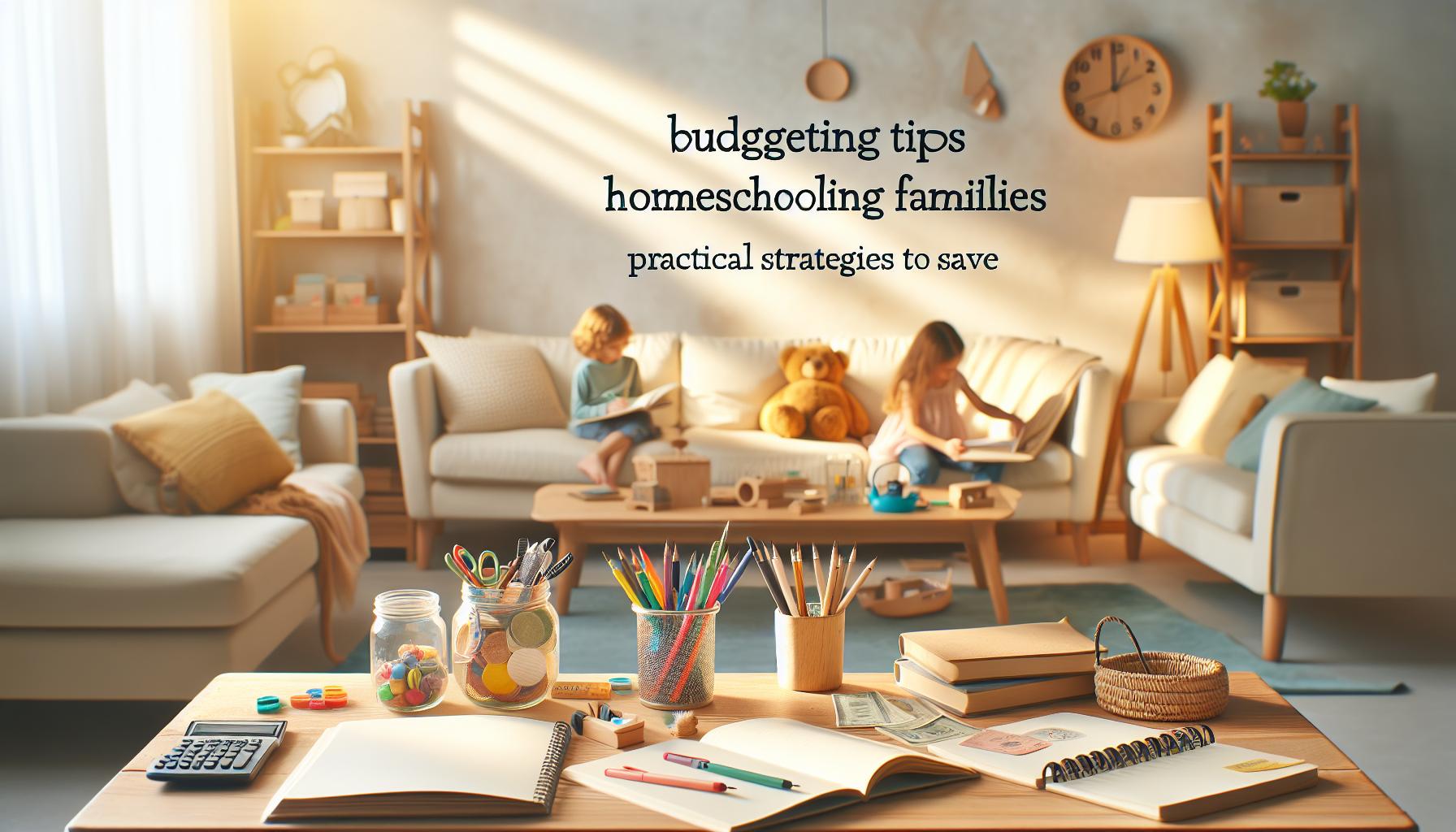
In the quest for a quality education at home, many families wonder about the financial implications: how much does homeschooling really cost? Surprising breakdowns show that while the expenses can add up, there are effective strategies to ease the financial burden.By implementing a few budgeting tips, homeschooling families can save significantly and ensure a well-rounded educational experience without breaking the bank.
Prioritize Necessities and Plan Ahead
One of the first strategies to consider is distinguishing between essential and non-essential items. Make a list of core educational materials that align with your curriculum. this includes textbooks, online subscriptions, and necessary supplies. By focusing on the essentials, families can avoid impulse purchases on trendy educational tools that may not be beneficial in the long run.
to make informed decisions, try creating a monthly budget that reflects your educational needs. Here’s a simple template to help you get started:
| Category | Estimated Cost | Actual Cost |
|---|---|---|
| Textbooks | $200 | |
| Online Resources | $100 | |
| Supplies | $50 | |
| Extracurricular Activities | $150 | |
| Total | $500 |
Utilize Free and Low-Cost Resources
Another powerful way to save is by tapping into free or low-cost educational resources. Public libraries are invaluable for accessing a vast collection of books,educational software,and even workshops or classes designed for homeschoolers. in addition, numerous online platforms offer free courses, videos, and worksheets that align with different learning goals.
Joining local homeschool co-ops can also provide relief by sharing resources and expenses among families. This collaborative approach not only cuts costs but fosters a sense of community, enriching your children’s educational experience.
Incorporate Everyday Learning Opportunities
Homeschooling doesn’t solely rely on textbooks; real-world learning experiences can be both enriching and free or low-cost. Integrate daily activities into your teaching by:
- Cooking: Teach math and science through measuring ingredients and understanding chemical reactions.
- Gardening: Offer lessons in biology and sustainability.
- field Trips: Explore local museums, parks, or historical sites which frequently enough have free admission days.
Engaging real-world activities not only saves money but frequently enough provides deeper learning experiences than traditional methods.
By strategically navigating the costs associated with homeschooling and employing these actionable budgeting tips, families can significantly reduce expenses while still offering a rich and well-rounded educational experience. Always remember, effective planning and resourceful thinking are key to ensuring that the question of how much homeschooling really costs becomes easier to manage.
crafting a Homeschooling Financial Plan: what to Consider
To ensure a successful homeschooling journey, it’s essential to craft a well-thought-out financial plan. With various expenses that can pop up, understanding the potential costs can help you prepare effectively. From resources and materials to extracurricular activities and space adjustments,every aspect can influence your overall budget. Surveys show that many families are surprised by how much homeschooling really costs, leading some to believe that the transition to home education can strain finances. Though,with careful planning,you can make choices that align with your budgetary constraints.
Key Expenses to Consider
When laying out your homeschooling budget, it’s important to identify and categorize potential expenses. Here’s a breakdown of common costs to consider:
- Curriculum Materials: This can range from textbooks and workbooks to online courses and educational software.
- Supplies: Arts and crafts materials, stationery, science kits, and technology tools are often needed.
- Field Trips and Extracurricular Activities: Consider how much your family will spend on educational excursions or memberships for museums and science centers.
- Technology: Laptops, tablets, and internet subscription fees can add to your budget.
- Co-ops and Classes: If you opt for community classes or private tutoring, include these costs as well.
Exmaple of a Homeschooling Budget Breakdown
To visualize how these costs can accumulate, consider this sample monthly budget based on common expenses that families encounter while homeschooling:
| Expense | Monthly Cost |
|---|---|
| Curriculum Materials | $100 |
| Supplies | $50 |
| Field Trips | $40 |
| Technology | $60 |
| Classes/Co-ops | $80 |
| Total | $430 |
Finding Cost-Effective Solutions
As you plan your homeschool finances, consider exploring various resources that may offer savings:
- Used Materials: Websites or local groups often sell used curriculum and supplies at a fraction of the cost.
- Online Resources: Utilize free or low-cost online educational platforms that provide valuable content without a hefty price tag.
- Community Resources: Libraries and community centers can be great places to find free educational programs, field trips, and collaborative learning experiences.
By having a clear understanding of how much homeschooling really costs,you can strategically prioritize your spending and ensure that your financial plan aligns with your educational goals. Taking the time to budget thoughtfully not only alleviates stress but also paves the way for a rewarding educational experience for your children.
The Value of Community: Finding Support and Resources to Reduce Costs
the rising costs associated with education can be daunting, especially for those considering homeschooling as an option. Though, tapping into the collective power of community can provide invaluable support and significantly reduce expenditures. Many new homeschoolers find that by leveraging community resources, they can not only save money but also enrich their educational experience through shared knowlege and cooperative learning opportunities.
Connection and Collaboration
Building a network with other homeschooling families or local education groups serves as a crucial foundation for successful home education. Engaging with a community offers access to a plethora of resources, such as:
- Co-op Classes: Sharing teaching responsibilities with other parents alleviates both the workload and the financial strain by providing classes at a fraction of the cost.
- Resource Sharing: From textbooks and educational materials to science kits, many families are willing to lend or exchange items they no longer need, cutting down on costs significantly.
- Group Discounts: Many educational suppliers offer discounts to groups. By joining or forming a local co-op, families can pool their buying power to access quality curriculum at reduced rates.
Local Resources and Online communities
Many homeschoolers overlook the wealth of local resources available to them. Libraries often offer not only traditional materials but also access to online databases, workshops, and community events that can enrich a child’s education at no extra cost. Additionally, involvement in local museums, parks, and community centers can provide learning opportunities that would otherwise require costly field trips.
Online communities, such as social media groups and forums dedicated to homeschooling, can also be treasure troves of details. These platforms allow parents to:
- Share best practices and lesson plans, reducing time spent on curriculum development.
- Exchange experiences with different teaching methods that could be more cost-effective.
- Access free resources and downloadables shared by seasoned homeschoolers.
By proactively seeking out and participating in these community avenues, families can create a balanced educational environment without the often overwhelming financial burden. Utilizing community support not only addresses the question of “How Much Does Homeschooling Really Cost?” but also fosters a richer learning experience for both parents and children.
Real-World Example
Consider a homeschooling family in a suburban area who forms a co-op with other like-minded families. By collaborating, they manage to offer a wide range of subjects from art to science, each parent teaching their area of expertise. Instead of paying for individual classes ranging from $150 to $300 each, their combined efforts allow them to access high-quality instruction for just $50 per child per semester. Such collaborative strategies can turn perhaps overwhelming costs into manageable investments, ensuring families can focus more on education and less on finances.
In navigating the financial landscape of homeschooling, community connections emerge as a powerful ally, turning what could be an isolated journey into a shared adventure.
Making the most of your Budget: Creative Solutions for Homeschooling Families
When embarking on the homeschooling journey, cost can frequently enough feel like a daunting mountain to climb. However, understanding the intricate details of homeschooling expenses can be empowering and pave the way for innovative solutions that not only fit within your budget but also enhance your children’s educational experience. With a bit of creativity and resourcefulness, homeschooling families can make strategic decisions that transform potential financial stress into a fulfilling and enriching learning adventure.
Embracing Free and Low-Cost Resources
A significant portion of homeschooling costs can be reduced by leveraging the wealth of free and low-cost resources available. The internet is brimming with educational materials,from comprehensive lesson plans to interactive learning games.Here are some key places to explore:
- Public Libraries: Utilize your local library for free access to books, DVDs, and educational programs. Many libraries also offer free workshops and classes.
- Online Courses: Websites such as Khan Academy and Coursera provide free courses across various subjects, allowing your children to learn at their own pace.
- Community Resources: Check for local museums, art studios, and science centers that may offer homeschooling discounts or family days.
Examining the real cost implications, can significantly reduce your budget while still delivering high-quality education. By emphasizing community partnerships and exploring these free resources, families can maximize their educational experiences without breaking the bank.
Creative Co-ops and Shared Learning Experiences
One of the most effective methods for minimizing costs is through the creation or joining of homeschooling co-ops. These groups allow families to pool resources, share expertise, and collaborate on educational activities, resulting in both financial savings and enhanced social interaction for children.
As a notable example, here’s an example of how a co-op can minimize costs:
| Activity | Individual Cost | Co-op Cost (Split Among 5 Families) |
|---|---|---|
| Field Trip (Zoo) | $100 | $20 |
| Art Supplies for projects | $50 | $10 |
| Cooking Classes (4 Sessions) | $160 | $32 |
As illustrated, splitting costs can substantially reduce the financial burden on each family while diversifying the learning opportunities available to children.Whether it’s rotating teaching responsibilities or sharing material costs, the warming community spirit fostered through co-ops can provide motivation and help build lasting friendships.
Investing wisely in Curriculum and Materials
While budget constraints may initially seem restrictive, investing wisely in a few quality materials can pay off in the long run.Rather than cluttering your home with a multitude of products that may only be used onc, focus on purchasing versatile resources that can adapt to your family’s learning style.
Consider these options when strategizing your curriculum purchases:
- digital Resources: E-books and online subscriptions frequently enough come at a fraction of the cost of traditional textbooks, offering the bonus of portability and ease of access.
- Second-Hand Materials: Websites like eBay or local Facebook groups can be treasure troves for used textbooks and educational games.
- Membership Subscription Services: Look for programs that offer pay-as-you-go plans for a multitude of lessons and creative projects.
By making thoughtful decisions with your curriculum selections, you can significantly trim expenses while fostering a rich environment for learning. Each strategy outlined not only aims to answer the question of how much does homeschooling really cost? but also encourages families to explore innovative and practical solutions, ensuring a thriving and enriching educational journey without financial strain.
Frequently Asked Questions
FAQ: How Much Does Homeschooling Really Cost? Surprising Breakdowns
How much does homeschooling really cost?
The cost of homeschooling can vary significantly, frequently enough ranging from $300 to $2,500 per year, depending on curriculum choices, resources used, and family needs. Note that some families spend even more on specialized programs or extracurricular activities.
Understanding homeschooling expenses is crucial for budget planning. Costs may include curriculum materials, software, online courses, and supplies. Additionally, families can save by using free resources or community programs, highlighting the flexibility that comes with homeschooling.
What are some unexpected expenses when homeschooling?
Unexpected expenses can include field trips, specialized skills courses, and technology updates.When considering how much homeschooling really costs, it’s important to account for these variables that add up over time.
Such as, many parents find that extracurricular activities or cooperative learning groups can enhance their children’s education but also lead to unanticipated costs. A comprehensive budget should thus factor in both the predictable and _unexpected_ expenses associated with a homeschooling journey.
Why does homeschooling cost vary so much?
The cost of homeschooling varies due to factors like location, curriculum choices, and personal teaching methods. Families may choose expensive programs or *free resources*, which can dramatically alter overall expenses.
Additionally, parents with varying educational goals for their children may have different spending patterns. For instance,some might invest heavily in hands-on learning experiences while others focus solely on book learning. This diversity reflects the individualized nature of homeschooling.
Can I homeschool on a budget?
Yes,you can definitely homeschool on a budget by utilizing free resources,community classes,and second-hand materials. Many families successfully manage to keep annual costs under $500.
Leveraging online platforms and local libraries can provide a wealth of information without breaking the bank. Additionally, connecting with homeschooling groups can lead to shared resources and cooperative learning opportunities, allowing families to share expenses and lessons.
is homeschooling worth the financial investment?
Many parents believe homeschooling is worth the investment when they see customized education tailored to their child’s needs. The *ability to make learning personal* frequently enough outweighs direct financial costs.
Moreover, the long-term benefits, such as increased educational flexibility, can result in a more engaged and motivated learner. for many families, the emotional pluses—like stronger family bonds—also contribute to the overall value of their investment in homeschooling.
What are common cost areas in homeschooling?
Common cost areas in homeschooling include curriculum items,educational materials,extracurricular activities,and assessments. Each family’s focus may lead to different prioritizations in their expenses.
As an example, some families might choose a costly online curriculum, while others might rely on community resources. By assessing personal needs and goals, families can create a tailored budget that fits their specific situation.
How can I find free homeschooling resources?
Free homeschooling resources can often be found through local libraries, online communities, and educational websites. Many parents share invaluable materials and lesson plans to assist others wishing to reduce costs.
Platforms such as Khan Academy,and educational blogs often provide free access to lessons,worksheets,and enrichment resources. Joining local homeschooling groups can also lead to _discovering_ swaps and free resources that keep costs low.
in summary
As we wrap up our exploration of homeschooling costs, it’s clear that every family’s journey is unique, filled with its own set of challenges and triumphs. We’ve broken down the essentials,from curricula to supplies,and highlighted how these expenses can vary widely. Remember, it’s not just about the financial investment; it’s also about the invaluable time and love you pour into your child’s education.
For those navigating this path—especially single parents—know that you are not alone. Many have walked this road before you and have found joy and fulfillment in teaching their children at home. we encourage you to connect with local homeschooling communities, seek out online resources, and share your experiences. Every question and concern brings you one step closer to making informed choices that fit your family’s needs.
keep exploring, keep asking questions, and most importantly, trust yourself. You’ve got this, and your child’s educational journey is in capable hands. Together, let’s continue to build a supportive network where we can uplift each other and celebrate our victories, big and small. Happy homeschooling!


