


In today’s educational landscape,many parents wonder how to enhance their children’s learning experiences beyond solitary study. collaborative learning environments, like homeschool co-ops, not only foster social interaction but also enrich education through shared resources adn diverse perspectives. Discover how teamwork in homeschooling can lead to a more engaging and effective educational journey.
Understanding the Foundations of Team Homeschooling
Engaging children in a collaborative learning habitat can transform the homeschooling experience into a vibrant community of exploration and growth.By fostering a spirit of teamwork, families can create a rich educational tapestry that not only enhances academic learning but also builds essential social skills. The foundations of team homeschooling lie in mutual support, shared resources, and the collective pursuit of knowledge, making it not just a practical choice, but also a fulfilling one.
Core Principles of Collaborative Learning
At the heart of effective team homeschooling are principles that hinge on collaboration and shared duty. These principles include:
- Shared Goals: Establishing common educational objectives helps create a unified direction for the team.
- Resource Sharing: Pooling resources and knowledge provides access to varied materials and learning tools that may not be available to individual families.
- Peer Teaching: Encouraging children to teach one another fosters a deeper understanding of subjects while building confidence and communication skills.
Each of these principles contributes to an enriching experience, allowing parents and children alike to benefit from diverse perspectives and approaches. For example, a group of families might come together to tackle science experiments, with each family contributing different materials or expertise, thereby creating an elaborate learning session that is more than the sum of its parts.
Building a Supportive Community
Creating a strong support network is essential for the success of team homeschooling. Families should actively seek out community members who share similar educational values and goals. Regular meetings, whether in person or virtual, serve as a platform for sharing insights, discussing challenges, and celebrating successes. These gatherings might include:
- Workshops on educational topics of interest.
- Group outings for field trips that align with the curriculum.
- Social events that build camaraderie among kids and parents.
Such interactions not only enhance learning opportunities but also provide motivation and accountability, making the homeschooling journey more enjoyable and less isolating.
Practical Steps for Implementation
To successfully implement a team homeschooling strategy, consider the following actionable steps:
- Identify Interests and Strengths: Survey families to discover their interests and strengths. This will facilitate tailored learning experiences.
- Set Up a Schedule: Develop a rotation schedule for collaborative activities and teaching duties to ensure everyone participates equally.
- Utilize Technology: Leverage online platforms for shared resources, communication, and virtual classes, expanding the pool of available knowledge and skills.
- Evaluate and Adapt: Regularly assess the effectiveness of team homeschooling strategies through discussions with all participants, making adjustments as necessary to meet the evolving needs of the group.
By grounding team homeschooling in these foundational elements, families can not only enhance their educational experience but also instill a love of learning that will last a lifetime. This collaborative approach creates environments where children thrive academically and socially, preparing them to navigate the complexities of the world together.
Building Connections: The Power of Collaborative Learning
In today’s rapidly evolving educational landscape, the meaning of collaborative learning cannot be overstated.Research has consistently shown that students who engage in collaborative learning experiences not only perform better academically but also develop key social and emotional skills that are critical for future success. Within the framework of a holistic educational experience like *A Team homeschool: Creating Collaborative Learning Environments*, collaborative learning serves as the bedrock for building meaningful connections among students.
One major benefit of collaborative learning lies in its inherent ability to foster communication skills. When students work in teams, they must articulate their thoughts clearly and listen to others, enhancing their ability to express ideas effectively. This shared learning environment promotes a sense of accountability, as each participant contributes to the group’s success, leading to improved problem-solving skills and greater engagement in the learning process. By providing opportunities for discussion and reflection, collaborative settings can ignite peer interactions that deepen understanding and retention of knowledge.
Practical Strategies for Enhancing Collaborative Learning
Implementing collaborative learning effectively requires thoughtful planning. Here are some actionable strategies to cultivate a productive collaborative environment:
- group Diversity: Create diverse groups that combine different skill sets and perspectives. This variation allows for the exchange of ideas and enhances creativity.
- Clear Objectives: Establish clear learning goals for each collaborative task so that every student knows their role and the purpose of the group work.
- Structured Activities: Utilize structured activities like think-pair-share or jigsaw techniques to keep students engaged and ensure equitable participation.
- Reflection Time: Incorporate reflection moments where students can discuss what they learned from each other and how their approach might evolve in future collaborations.
To illustrate the effectiveness of these strategies, consider a project-based learning scenario where students collaborate on a science experiment. Groups could be assigned different aspects of the project, such as research, presentation, and data analysis, showcasing how each member’s strengths contribute to a shared goal. By structuring collaboration in this manner,participants not only pool their knowledge but also build camaraderie and respect by recognizing one another’s contributions. Such experiences can be foundational in a *Team Homeschool* setting, where learning transcends customary boundaries and emphasizes community and connection.
Furthermore, collaborative learning helps in building resilience.Students learn to navigate conflicts, manage differing opinions, and support one another through challenges—skills that are just as vital outside of academic settings. As they work together, they forge deeper connections, not just to the material at hand, but also to each other, reinforcing the essential idea that learning is a communal journey.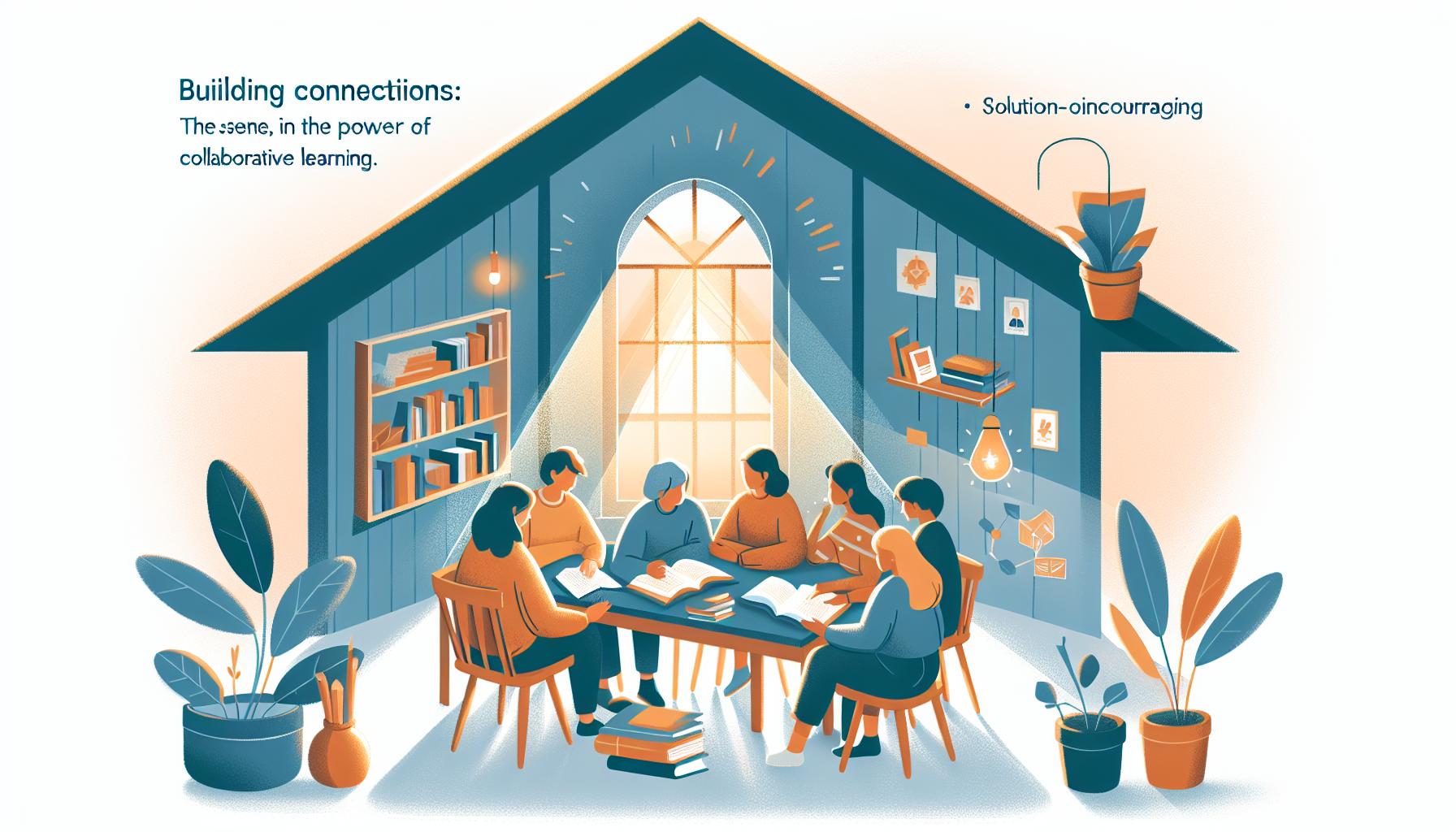
Practical Strategies for Creating a Supportive Learning Environment
Creating a positive and collaborative learning environment is essential for nurturing engagement and fostering deep understanding among students. In a homeschool setting, where resources might be more limited compared to traditional classrooms, educators can implement practical strategies to cultivate support and cooperation. By utilizing techniques drawn from successful educational practices, such as those highlighted in ”A Team Homeschool: Creating Collaborative Learning Environments,” homeschooling parents and educators can enhance the educational experience for their students.
Encourage Open Communication
One of the foundational elements of a supportive learning environment is open communication.Establishing clear channels for students to express their ideas, concerns, and feedback can lead to greater collaboration. Techniques such as regular check-ins or designated discussion times can provide students with opportunities to voice their thoughts.Additionally, creating a agreeable atmosphere where students feel safe to share their viewpoints promotes a culture of respect and inclusion. this can be initiated through simple practices like group circles or online forums where students can share their projects and receive constructive feedback.
Utilize Collaborative Learning Techniques
Integrating collaborative learning techniques can substantially enhance peer interaction and collective problem-solving. Techniques such as think-pair-share, project-based assignments, and group research tasks encourage students to work together towards common goals. These strategies can be adapted for various subjects, allowing for interdisciplinary connections that enrich the learning experience. As an example, in a project that combines science and art, students could collaborate to create a visual project that represents a scientific concept, thus ensuring engagement through diverse avenues of expression.
Implement Structured Group Activities
Organizing structured group activities can facilitate a productive and focused learning environment. By breaking students into small groups with defined roles, such as leader, researcher, and presenter, each member can contribute to the group’s success while developing essential collaborative skills. These roles can rotate with each new project, allowing students to engage in different capacities and learn new skills. Consider using tools like collaborative document editing platforms, which allow for real-time contributions and feedback, making group work seamless and accessible.
Foster a Growth mindset
Promoting a growth mindset among students is crucial for their growth and willingness to engage collaboratively. Encourage students to view challenges as opportunities for growth rather than obstacles. Celebrate successes and provide positive reinforcement for effort,which can motivate students to support one another. Activities that incorporate peer mentoring or tutoring can also reinforce this mindset. As students help each other with difficult topics, they’re not only reinforcing their knowledge but also building a sense of community within the homeschooling environment.By incorporating these strategies, those involved in “A Team Homeschool: Creating collaborative Learning Environments” can significantly enhance the educational experience, making learning a more interactive, engaging, and supportive process for all participants.
Encouraging Peer Interaction: Fostering a Sense of Community
Creating a strong sense of community within a homeschool environment is crucial for fostering collaboration and enhancing learning experiences. When students engage with their peers,they not only reinforce their understanding of the material but also develop essential social skills that can lead to lifelong friendships.In team-based learning scenarios, learners find themselves motivated by shared goals, which can transform individual study sessions into dynamic, interactive experiences.
Strategies for Encouraging Collaborative Peer Interaction
To cultivate a community where peer interaction thrives,consider implementing the following strategies:
- group Projects: Organize assignments that require teamwork,encouraging students to brainstorm and problem-solve together. For example, a science project on environmental conservation can involve students collaborating to design a presentation, thus integrating research skills with teamwork.
- Peer Teaching: Allow students to take turns teaching specific topics to their classmates. This method reinforces the concept for the student teacher while providing a different viewpoint for their peers.
- Social Learning Activities: Incorporate games and role-playing exercises that encourage discussion and collaboration.Activities like debate clubs or book clubs can spark lively conversations, allowing students to express their ideas and opinions.
- Regular Check-ins: Schedule regular group discussions or reflections at the end of each week. This practise helps students articulate their learning experiences and the value of their collaborators’ contributions.
Building a Supportive Environment
Creating an inclusive atmosphere is key to encouraging students to engage with one another. Establishing clear ground rules for communication and respect can promote a safe space where everyone feels valued. For instance, implementing structured feedback sessions can help students provide constructive criticism, learn from mistakes, and celebrate successes together.
In this collaborative learning framework, it’s crucial to recognize the diverse roles each student can play. Some may naturally take on leadership positions, while others may shine as supportive team members. Embracing these differences enhances the learning experience and fosters thankfulness for each individual’s strengths.
With these practices rooted in your approach,’A Team Homeschool: Creating Collaborative Learning Environments’ can effectively nurture both academic growth and social development,leading to a thriving educational community. By encouraging peer interactions and fostering a sense of belonging, students are likely to become more engaged learners committed to their collective success.
Navigating Challenges: Tips for Single Parents in Team Homeschooling
Navigating the world of homeschooling can often feel overwhelming,especially for single parents who must balance educational responsibilities with work and household duties. However,with the right strategies,transforming your home into a collaborative learning environment is entirely achievable.Embracing the concept of a team homeschool can foster an enriching experience not only for your child but also for yourself.
Leverage community Resources
When you’re managing everything on your own, tapping into community resources is essential.Seek out local homeschooling support groups or online forums where you can connect with other parents.These networks can provide valuable advice, curriculum suggestions, and social opportunities for your child. Consider participating in co-ops where families come together to share teaching responsibilities; this can lighten your load and introduce your child to diverse learning styles and subjects. Engaging in such communities not only offers educational benefits but also emotional support.
Establish a Flexible Schedule
Creating a flexible homeschooling schedule is crucial for single parents. This allows you to manage time effectively while meeting both educational needs and personal commitments. Focus on block scheduling or thematic units that encompass various subjects, making learning more integrated and enjoyable. Here’s a simple approach to schedule your week:
| Day | Subjects | activities |
|---|---|---|
| Monday | Math, Science | Nature walk, Experiment |
| tuesday | Language Arts | Reading time, Writing project |
| Wednesday | History, Art | Field trip, Crafting |
| Thursday | Math, Music | Music lesson, Math games |
| Friday | Review & Self-directed Projects | Community service, Enrichment activities |
This format allows for a mix of academic subjects and hands-on learning, fostering an engaging and varied homeschool experience.
Incorporate Daily Routines
Establishing routines not only helps in managing daily tasks but also instills a sense of stability for children. incorporate educational tasks into daily life, such as cooking together to explore measuring and fractions, or discussing historical events during family meals.this approach makes learning a natural part of your everyday environment, promoting curiosity and engagement.
By acknowledging the unique challenges single parents face in creating effective homeschool settings, while implementing community support strategies, flexible scheduling, and integrated learning routines, you can successfully navigate the complexities of education at home.These techniques can lay the foundation for a vibrant educational experience that reflects the collaborative spirit of a team homeschool.
Inspiring Creativity: Integrating Diverse Learning Styles
In today’s learning landscape, understanding and integrating diverse learning styles is crucial for fostering creativity within a collaborative homeschooling environment. Each student brings unique strengths and preferences to the table, which can significantly impact their ability to engage with content and express their ideas. By recognizing these differences and adapting teaching strategies accordingly, educators can create a vibrant atmosphere that encourages innovation and exploration among students.
To effectively integrate various learning styles, consider employing a multifaceted teaching approach.Here are some practical strategies:
- Visual Aids: use diagrams, charts, and videos that cater to visual learners, enabling them to conceptualize data vividly.
- Aural Activities: Incorporate discussions, lectures, and audiobooks that benefit auditory learners, facilitating better retention through listening.
- Interactive Methods: Engage kinesthetic learners with hands-on projects, experiments, and movement-based learning, allowing them to learn through action.
- Read/Write Assignments: Stimulate read/write learners with extensive reading materials, essays, and written reflections that encourage analytical thinking.
Creating a Supportive Environment
In a homeschooling setting, collaboration between students can be particularly beneficial.For instance, pairing students with complementary learning styles can foster peer-to-peer teaching opportunities. A visual learner might create a poster project alongside an auditory learner who can present the information effectively, thus combining their strengths to achieve a more enriched outcome. Additionally, incorporating group brainstorming sessions can inspire creativity as students bounce ideas off each other, tapping into various perspectives and problem-solving approaches.
Moreover, consider creating flexible learning spaces that allow for movement and adaptation, catering to different activities that correspond to diverse learning styles. By providing resources such as art supplies for creative expression or musical instruments for auditory exploration, you can enhance engagement and spark innovative thinking.
By embracing the diversity of learning styles, as seen in the framework of “A Team Homeschool: Creating Collaborative learning Environments,” educators and parents can cultivate an enriching educational experience. This not only promotes creativity but also equips students with the tools they need to thrive in a multifaceted world.
Resources and tools to Enhance Collaborative Education
Collaborative education thrives on the dynamic interactions between students,fostering an environment where learning is enriched through shared experiences. In the context of A Team Homeschool: Creating Collaborative Learning Environments, utilizing the right tools and resources can significantly enhance this cooperative spirit. By engaging students through innovative platforms, we can help them develop critical skills such as teamwork, creativity, and problem-solving.
Essential Tools for Collaborative Learning
To facilitate effective collaboration,consider incorporating a variety of digital tools that cater to diverse learning styles and preferences. Tools such as Flip (formerly Flipgrid) allow educators to create interactive video discussion boards that enable students to communicate their ideas in a personal and engaging manner. This not only encourages participation but also grants learners the opportunity to express their thoughts using multimedia formats, making discussions more vibrant and inclusive [[1]].
Additionally, platforms like Padlet and Miro provide interactive spaces for brainstorming and project collaboration. With these tools, students can post ideas, images, or documents on a shared board, enabling real-time feedback and input from their peers. Schools have seen increased creativity and idea sharing among students when utilizing such interactive formats—turning traditional assignments into collaborative projects that reflect the collective input and unique strengths of each participant.
Choosing the Right Collaboration Tools
When selecting tools for collaborative projects, it’s essential to consider the specific needs of your educational environment. The following table outlines some popular options,their key features,and ideal use cases to help streamline your decision-making process:
| Tool | Key Features | Best For |
|---|---|---|
| Flip | Video discussions,private/group sharing | Enhancing oral communication,reflection |
| Padlet | Interactive boards,multimedia posts | Brainstorming sessions,visual collaboration |
| Miro | Mind maps,real-time collaboration | Complex projects,strategic planning |
| Trello | Project management boards,task assignments | Organizing group work,tracking progress |
Incorporating these tools into your homeschooling curriculum can transform individual learning experiences into collaborative opportunities. By facilitating interaction and engagement among students, parents can encourage a richer, more nuanced educational journey that reflects the principles outlined in A Team homeschool: Creating Collaborative Learning Environments.The key is to harness technology thoughtfully, ensuring that it serves the collaborative spirit of your home education efforts.
Celebrating Progress: Recognizing Achievements in Team Learning
Recognizing achievements is essential in fostering a productive environment for team learning. Celebrating progress not only boosts morale but also reinforces the value of collaborative efforts within groups, making participants feel acknowledged and appreciated. Effective recognition strategies can transform the dynamics of a group and enhance the overall learning experience, echoing the principles outlined in ‘A team Homeschool: Creating Collaborative Learning Environments.’
Strategies for Recognition
One effective approach to recognizing achievements in collaborative settings is to implement structured feedback sessions. These can occur regularly, allowing team members to share highlights and challenges faced during learning activities.This not only promotes transparency but also provides a platform for praise and constructive feedback. Consider incorporating these strategies:
- Peer recognition: Encourage team members to highlight each other’s contributions,fostering a culture of mutual support.
- Milestone Celebrations: Set specific objectives and celebrate when they are reached.this could be through shared meals, virtual hangouts, or small awards.
- Success Showcases: Dedicate time for team members to present their learning outcomes or projects. This not only recognizes their efforts but can also inspire others.
Real-World Examples
In practice, organizations that prioritize recognition can see significant increases in engagement and performance.For example, a tech company instituted a monthly “Innovation Day,” where teams shared their most successful projects and received accolades.Feedback from team members indicated greater motivation and camaraderie as a result. Such initiatives align with the collaborative ethos of ‘A Team Homeschool: Creating Collaborative Learning Environments,’ where shared learning and communal success are central to the experience.
The Impact of Recognition
The psychological benefits of acknowledgment cannot be understated. When team members feel seen and valued,their engagement level intensifies,leading to higher productivity. It is indeed essential for leaders within collaborative learning environments to regularly highlight individual and team successes. A simple ‘thank you’ or acknowledgment during meetings can make a significant difference in how members perceive their contributions.
For continuous improvement and to sustain a culture of recognition, teams can employ metrics to track collaboration milestones and achievements. This could be documented in a shared space, creating a visual representation of progress that everyone can celebrate together. The integration of such practices solidifies the tenets of ‘A Team Homeschool: Creating Collaborative Learning Environments,’ ensuring that recognition becomes a basic aspect of the learning journey.
Q&A
What is A Team Homeschool: Creating Collaborative Learning Environments?
A Team Homeschool: Creating Collaborative Learning Environments involves engaging children in group learning activities, fostering cooperation, and enhancing social skills. This approach allows homeschooling families to work together, share resources, and create a supportive educational ecosystem.
By collaborating, parents and students can explore various subjects through shared projects and group discussions. This not only builds teamwork skills but also allows for peer-to-peer learning, where children can definitely help each other understand different topics. In this setup, the homeschool community thrives on open communication and mutual respect.
How can I implement A Team Homeschool: Creating Collaborative Learning Environments?
to implement A Team Homeschool: Creating Collaborative Learning Environments, start by forming or joining a local homeschooling group. Organize regular meet-ups for group activities focused on different subjects.
Consider activities such as science experiments, book clubs, or art projects. These collaborative efforts can help children develop critical social skills like negotiation and empathy. Resources like Demme Learning provide materials to enhance these learning experiences.
Why does collaboration matter in homeschooling?
collaboration in homeschooling matters because it enhances learning and builds essential skills. Group learning cultivates a sense of community, allowing children to learn from one another and gain different perspectives.
When students work together, they improve their communication and problem-solving skills, which are crucial for their future endeavors. Furthermore, collaboration offers parents support and ideas, making the homeschooling journey less isolating and more enriching.
Can I do collaborative learning as a single homeschooling parent?
Yes, as a single homeschooling parent, you can absolutely implement collaborative learning! Joining local homeschool groups or co-ops can help you find support and resources.
Many homeschooling groups welcome diverse family structures and can offer shared teaching responsibilities, social activities, and even field trips. This creates a sense of belonging and ensures that your child benefits from the social interactions that collaborative environments provide.
What are some activities for A Team Homeschool: Creating Collaborative Learning Environments?
Activities for A Team Homeschool: Creating Collaborative Learning Environments can include group projects like science fair experiments, collaborative story writing, or art sessions. These activities encourage creativity and enhance teamwork.
Additionally, consider organizing field trips or community service projects that allow children to engage with the world and learn together.Such activities not only make learning fun but also instill a sense of community among learners.
How does teamwork benefit my homeschooler?
Teamwork benefits your homeschooler by promoting the development of social skills and enhancing learning experiences. Working in teams encourages children to share ideas, solve problems, and develop respect for others’ perspectives.
Moreover, collaborative learning helps build confidence. When children participate in group settings, they learn to express themselves and understand others, preparing them for future social interactions and collaborative settings such as in professional environments.
What challenges might I face in A Team Homeschool: Creating Collaborative Learning Environments?
Challenges in A Team Homeschool: Creating Collaborative Learning Environments may include scheduling conflicts, varying teaching styles, and differing educational goals among families.
To navigate these challenges, open communication is essential. Regularly discuss goals and expectations with other families involved to create a cohesive learning experience for all children. Building a strong community can help mitigate potential issues, making collaboration more effective.
In Retrospect
Creating a collaborative learning environment in your homeschool can be a rewarding journey.By connecting with other homeschoolers, you can enhance your teaching methods, share resources, and foster social interactions that benefit both you and your children. Consider forming or joining a homeschool co-op, where families come together to share teaching responsibilities and expose children to diverse learning styles [3[3[3[3]. Additionally,utilizing online collaborative platforms can help students engage with peers in meaningful discussions and projects,promoting autonomous and cooperative learning [2[2[2[2].
Remember,you’re not alone in this journey. Whether you’re a single parent or managing a hectic household, fostering a sense of community through collaboration can alleviate some of the pressures of homeschooling. Embrace the opportunities for interaction and growth, both for you and your children. Keep exploring new ways to engage with fellow homeschoolers,and don’t hesitate to tap into the wealth of resources available online. Together, we can create enriching educational experiences that empower our children and strengthen our communities.Start today—your collaborative adventure awaits!
Get our latest guides, news, and insights highlighted in your Google Search & AI Overviews.


