


Potty training can be a daunting milestone for parents and toddlers alike, often leading to frustration and uncertainty. Understanding evidence-based methods can make this process smoother and more prosperous. In this article, we explore effective strategies backed by research, ensuring your child transitions to using the toilet confidently and comfortably.
Understanding Your Child’s Readiness for Potty Training
When it comes to potty training, many parents find themselves asking, “Is my child ready?” The process can be both exciting and daunting, but understanding your child’s readiness is crucial for a smooth transition from diapers to underpants. Studies show that children who are potty trained when thay show genuine readiness tend to achieve success faster and with less frustration for both them and their parents.
Recognizing the signs of readiness is vital in determining the right time to begin this journey. According to experts, look for these indicators:
- Physical Signs: Your child stays dry for longer periods and has a regular schedule for bowel movements.
- Cognitive readiness: They can follow simple instructions and understand the concept of using the toilet.
- Emotional Readiness: Your child shows interest in the toilet or wants to wear underwear like older siblings.
- Dialog Skills: They can express when they need to go or show discomfort when their diaper is wet or soiled.
The ideal time to start potty training varies among children but typically occurs between 18 months and 3 years of age. Here’s a helpful table to guide you through the stages and signs of readiness:
| Age Range | Signs of Readiness |
|---|---|
| 18-24 Months | Shows interest in potty training materials; occasionally stays dry. |
| 2-3 Years | Can follow simple directions; begins asking to use the toilet. |
| 3+ Years | Shows consistent signs of needing to go; evinces desire for independence. |
As you assess readiness, remember that the enjoyment and excitement of potty training can be enhanced by creating a supportive surroundings. Engage your child with books or videos about potty training; perhaps let them accompany you to the store to choose their first pack of underwear. All these little steps can promote a sense of ownership and excitement about this critically important milestone,making it easier for them to embrace the transition from diapers to using the toilet. By focusing on readiness and positivity, you’ll effectively navigate the process laid out in “What Is The Best way To Potty Train? Evidence-Based Methods for Success,” ensuring that your child feels confident and motivated.
Evidence-Based Strategies for Effective Potty Training
Starting the potty training journey can feel overwhelming, but understanding effective, evidence-based methods can set both parents and children up for success. Children are naturally curious, and introducing them to the concept of potty training can turn a routine into an exciting adventure. by leveraging strategies grounded in research and practical experience, parents can navigate this phase with confidence and ease.
Understanding Readiness
One of the most crucial aspects of successful potty training is ensuring that a child is developmentally ready. Signs of readiness include staying dry for longer periods, showing interest in adult bathroom habits, and communicating their needs. before starting, consider these factors:
- Physical readiness: Can your child pull their pants up and down independently?
- Emotional readiness: Is your child showing interest in the potty and expressing discomfort with dirty diapers?
- Cognitive readiness: Does your child understand basic instructions and cause and effect?
Engaging your child in conversations about using the potty can further prepare them, making the process feel like a collaborative effort rather than a chore.
Establishing Routines
Consistency is key in the world of potty training.Creating a defined schedule that includes regular potty breaks can help establish a habit. Many parents find success when they incorporate potty time into daily activities, such as after meals or before naps.
To track progress and maintain consistency, consider a simple chart document, as shown below:
| Day | Potty Success | Notes |
|---|---|---|
| Monday | 3 times | Excited but hesitant |
| Tuesday | 5 times | Used rewards |
| Wednesday | 4 times | Had an accident |
Monitoring success and setting achievable goals each day encourages both parents and children to celebrate milestones.
Positive Reinforcement Techniques
Emphasizing positive reinforcement can considerably boost a child’s confidence and enthusiasm. Praising your child immediately after using the potty can establish a positive association. Consider implementing a rewards system,such as stickers or small treats,to motivate your child further.
Rather of framing accidents as failures, view them as learning opportunities. Reassure your child that they are progressing and remind them that mastery takes time.
Incorporating these evidence-based strategies into your approach not only strengthens the potty training experience but also fosters independence and self-confidence in your child. By understanding readiness, establishing routines, and utilizing positive reinforcement, you can transform this pivotal milestone into an enjoyable experience for the entire family.
Step-by-Step guide to Introduce the Potty
Starting the journey towards successful potty training can feel overwhelming for many parents. According to recent studies, using evidence-based methods can significantly increase the chances of success. here’s a step-by-step guide designed to walk you through the process of introducing the potty to your child, ensuring a smooth transition from diapers to independent toilet use.
Understanding the Signals
Before you dive into the actual training, it’s essential to recognize when your child is ready. Look for these signs:
- Physical Readiness: Your child can walk to the bathroom,pull down their pants,and is generally pleasant with bodily functions.
- Interest: They show curiosity about the toilet or express a desire to wear underwear.
- Regular Patterns: Observe their natural rhythms, as many children will have regular times when they usually need to go.
Once you notice these signs, you’re ready to introduce the potty effectively.
choosing the Right Potty
Selecting the right potty is crucial for encouraging your child to use it.Consider the following factors when making your selection:
| Type of Potty | Description | Pros | Cons |
|---|---|---|---|
| Conventional Toilet | Standard toilet with a seat reducer. | Teaches kids to use the real thing. | Can be intimidating for some children. |
| Standing Potty | For boys, these allow standing to pee. | Encourages independence and confidence. | Can be messy if not used properly. |
| Potty Chair | A portable small toilet. | Comfortable for children and easy to clean. | Needs frequent emptying and cleaning. |
Ensure that the chosen potty is comfortable and accessible for your child. Involving them in the selection process can also increase their enthusiasm for using it.
Creating a Routine
Establishing a consistent potty routine can greatly support the training process. Begin by setting regular intervals throughout the day when your child attempts to use the potty, such as:
- After meals
- Before and after naps
- Before bedtime
Incorporate fun and engaging activities during this time, such as reading a book or singing a song, making the experience more enjoyable. Remember, patience and positivity are key! Celebrate small victories and encourage your child every step of the way to foster confidence and a sense of accomplishment.
By following these steps and adapting an evidence-based approach, you can tackle the exciting adventure of potty training with ease and success, paving the way for a win-win experience for both you and your child.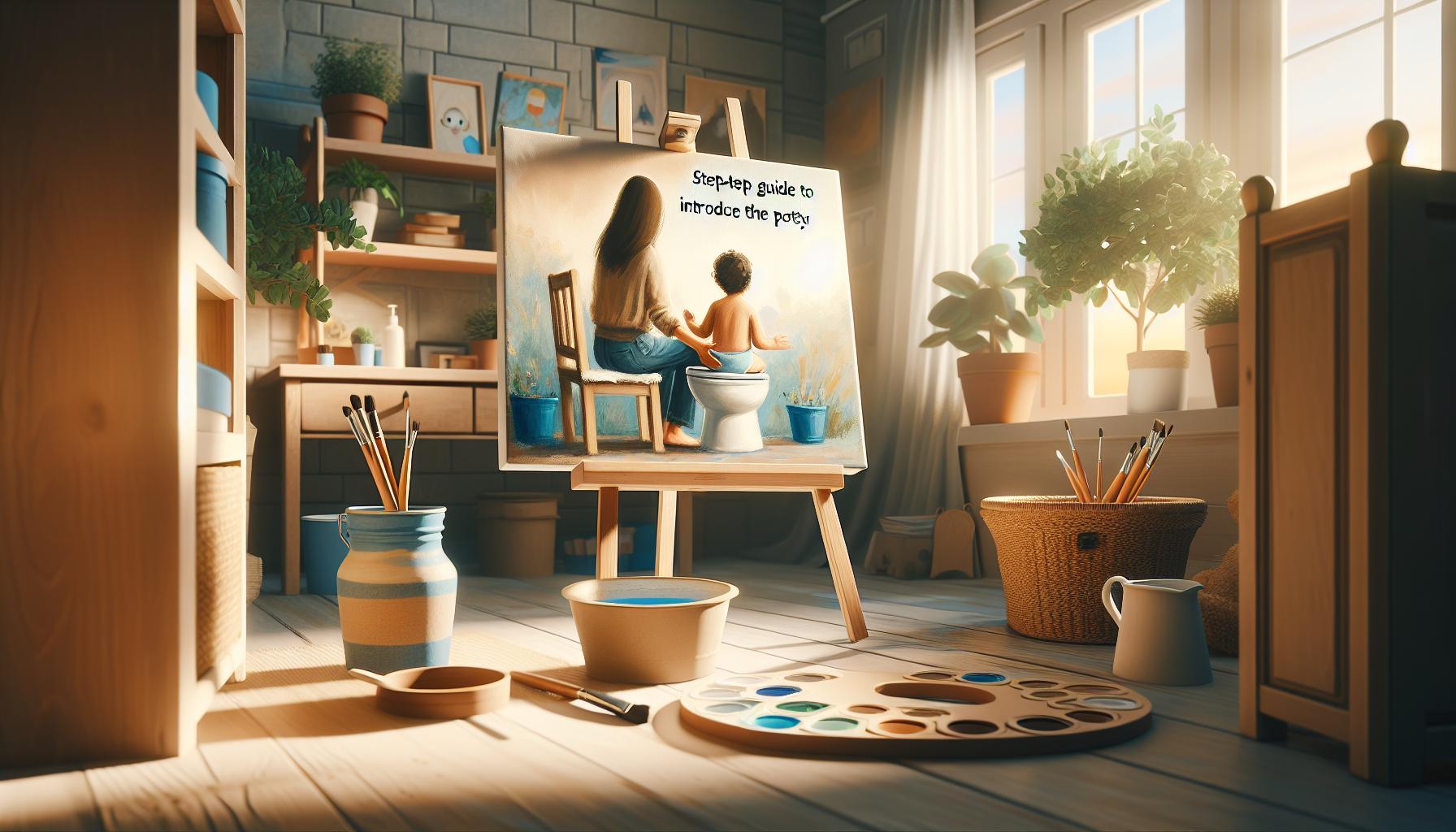
Common Pitfalls to Avoid During Training
Training your child to use the potty is a significant step in their development, and while it can be a joyful venture, it also comes with potential pitfalls that can impede progress.Understanding these common missteps can definitely help ensure a smooth transition and foster a positive attitude towards this new skill.
Overlooking Readiness signs
One of the most critical mistakes parents make is pushing potty training before their child is ready. Signs of readiness vary from child to child but often include the ability to communicate the need to go, staying dry for longer periods, and showing interest in adult bathroom habits. Ignoring these cues can lead to frustration for both the child and the caregiver, potentially resulting in setbacks.
- Communication: Look for your child expressing interest in wearing underwear or telling you when they’ve soiled their diaper.
- Physical Signs: If your child can stay dry for two hours or more, it’s frequently enough a good indicator they’re ready.
- Emotional Readiness: Watch for signs of frustration with diapers or a desire for independence.
Inconsistency in Approach
Another frequent error is inconsistency in training practices. Whether switching between different potty training methods or oscillating between reinforcement and reprimand, inconsistency can confuse your child and stall their progress. It’s vital to choose a consistent method, such as the ‘child-led’ or ‘parent-led’ approach, and stick to it. Keeping a routine, including regular bathroom breaks, further reinforces the habit.
Neglecting Positive Reinforcement
When trying to understand “What is the best way to potty train?”, you should also consider the role of encouragement. Neglecting positive reinforcement is a common downside of potty training. Children thrive on praise and rewards, which can motivate them to continue striving towards independence.
Here’s a simple table that outlines effective strategies and potential rewards you can offer:
| Strategy | Reward Ideas |
|---|---|
| Chart Progress | Stickers for each successful use of the potty. |
| Special Treat Days | Favorite snacks or an outing to a local park. |
| celebrate Success | A small toy or book after a certain number of days without accidents. |
Implementing these rewards can make the potty training journey not only more effective but also more enjoyable for your child.Avoiding these common pitfalls will help you on your quest to find the best methods for success in potty training.
The Role of Positive Reinforcement in Success
Implementing effective strategies can significantly enhance a child’s learning experience, especially when it comes to potty training. One of the most powerful tools in this process is positive reinforcement, a concept that promotes desirable behavior through rewards and encouragement. Engaging in this method not only motivates children but also builds their confidence, creating a foundation for success.By focusing on what they do right, caregivers can cultivate a positive environment that makes learning new behaviors, such as using the toilet, enjoyable and rewarding.
When utilizing positive reinforcement in potty training, it’s essential to recognize and celebrate every small achievement. Simple actions, such as giving verbal praise or using stickers as a reward, can reinforce the desired behavior effectively. For example, every successful trip to the toilet can be met with enthusiastic encouragement like, “Great job! You did it!” This type of acknowledgement makes children feel proud of their accomplishments and encourages them to repeat the behavior. Over time, these small rewards accumulate, creating a positive association with the act of using the toilet.
Along with verbal praise, offering tangible rewards can also be beneficial. Consider creating a chart where children can place stickers after each successful potty use. This visual representation of their progress can serve as a motivating factor, pushing them to achieve the next milestone. Here’s an example of how you might structure such a chart:
| Day | Successful Potty Visits | Stickers Earned |
|---|---|---|
| Monday | 3 | 3 |
| Tuesday | 5 | 5 |
| Wednesday | 4 | 4 |
| Thursday | 6 | 6 |
As children see their achievements recorded and rewarded, they become increasingly motivated to continue using the potty. This regular acknowledgment of their efforts plays an essential role in building positive habits during the potty training phase. In essence, the role of positive reinforcement not only facilitates success in potty training but also lays the groundwork for other important learning experiences throughout a child’s development.
Tips for Handling Setbacks with Patience and Grace
navigating the journey of potty training can sometimes feel like a rollercoaster ride, filled with both highs and lows. It’s not uncommon for parents to encounter setbacks along the way. Understanding how to handle these bumps in the road with patience and grace can make all the difference in creating a positive experience for you and your child. Evidence-based methods suggest that maintaining a calm and positive environment is crucial for success, especially when things don’t go as planned.
Embrace a Positive Mindset
Having a positive outlook can significantly influence how setbacks affect your potty training efforts. Remind yourself that accidents and resistance are part of the learning process. Consider these strategies to foster a positive mindset:
- Celebrate Small Wins: Acknowledge every step forward, even if it feels minor. Celebrating a child’s first time using the potty without prompting can reinforce their progress.
- Practice Patience: Understand that every child is different. What works for one may not work for another,and that’s perfectly normal.
- Maintain Open Communication: Talk with your child about feelings and emotions. Understanding their apprehensions can help build trust and improve their willingness to engage with the process.
Develop a Consistent Routine
A structured routine can provide your toddler with a sense of security, making them more likely to succeed in potty training. Consider the following tips:
- Stick to Timed Potty Breaks: regularly scheduled visits to the potty can help your child learn their body’s signals.
- Create a Reward System: Positive reinforcement, through small rewards or praise, can motivate your little one during setbacks.
- Limit Disruptions: Try to maintain consistency, even amid factors like travel or changes in childcare. Keeping things familiar will support your child’s learning experience.
Learn from Setbacks
Setbacks are not failures; they are opportunities for growth and learning. after an accident or moment of resistance, take a step back and evaluate what occurred:
| Situation | What to assess | Potential Adjustments |
|---|---|---|
| Accident during playtime | was the potty break scheduled? | Adjust potty breaks to coincide with active play. |
| Refusal to use the potty | Is the potty comfortable and accessible? | Consider a potty seat that your child enjoys. |
| Embarrassment after an accident | how did the child perceive the reaction? | Reassure them that accidents are normal and part of learning. |
Understanding that each hiccup is just part of the journey empowers both you and your child. embracing these challenges with versatility and support not only helps in managing potty training but also instills valuable lessons in resilience and self-acceptance as they grow.
Engaging Tools and Resources to Support the Process
Creating a successful and engaging toilet training experience can be enhanced significantly by utilizing a variety of resources and tools designed for both children and parents.It’s crucial to understand that potty training is a journey that involves emotional and physical readiness,and having the right resources can make all the difference.One of the essential principles in approaching this process is maintaining a positive and encouraging atmosphere, which can be supported by informative materials.
Books and Guides
Books on toilet training can provide insightful tips and approaches based on evidence-based methods. Look for guides that offer step-by-step instructions, such as those that emphasize gentle encouragement and understanding each child’s unique readiness signals. Many parents have found success with literature that not only explains the how-tos of potty training but also provides engaging stories that make the process relatable for their children. Reading these stories together can create a comforting routine around potty training, allowing children to visualize the milestones they will achieve.
Interactive Tools and Visual Aids
Using charts and visual aids can significantly motivate children during this learning process. Consider implementing a sticker chart where children can place a sticker each time they successfully use the toilet. This not only provides a tangible reward system but also makes the learning process interactive and fun.Additionally,visual aids like illustrated potty books specifically designed for children can help demystify the process and encourage curious engagement.
Community Support and resources
Joining parenting groups, either online or in-person, can provide additional support and resources. Many experienced parents share their insights, successful strategies, and even challenges they faced, creating a rich tapestry of knowledge that can be invaluable. Websites like Autism Little Learners offer specialized resources that cater to different needs, ensuring that every child, irrespective of their learning style, can find success in potty training. This community support can foster a positive environment, making parents feel less isolated during the journey.
Professional Guides
For those with specific challenges, consulting specialist advice through pediatric or child psychology resources can provide tailored strategies based on individual circumstances. Professionals often recommend methods that emphasize compassion and patience, particularly helpful for children on the autism spectrum or those with developmental delays. The key is to blend expert advice with practical tools, ensuring that both the parent and child are well-equipped for this pivotal transition.
By integrating these engaging tools and resources, the path to successful potty training can transform from a daunting task into a joyful adventure.
How to Celebrate Milestones and Keep the Momentum Going
Celebrating milestones during the potty training journey can make the process not only enjoyable but also reinforce positive behaviors in your child. Every small victory matters, whether it’s successfully using the potty for the first time, staying dry during naptime, or transitioning to underwear. Recognizing these achievements boosts your child’s confidence and inspires them to keep progressing, serving as a foundation for future successes.
Strategies for Celebrating Success
Developing a system of celebration doesn’t have to be elaborate; even simple recognition can have significant impact. Here are some effective strategies:
- Verbal Praise: Celebrate each success with enthusiastic encouragement. Phrases like “I’m so proud of you!” or “you did it!” can make your child feel accomplished.
- Reward System: Implement a small rewards chart, where each successful use of the potty earns a sticker. After earning a certain number of stickers, offer a fun reward such as a small toy or a special outing.
- Fun Potty Parties: Host a mini celebration after achieving key milestones, like the transition to underwear. Invite family members or close friends to participate, making the moment memorable.
- Special Treats: Reward your child with a favorite snack or dessert as a treat for their consistency and hard work in potty training.
Maintaining Momentum
Once the initial excitement has been celebrated, it’s essential to keep that momentum rolling. To ensure your child stays engaged and motivated through the potty training process, consider the following actionable steps:
| Action | Details |
|---|---|
| Regular Routines | Establish consistent potty times, like after meals or before bedtime, to make the process predictable and stable. |
| Positive Reinforcement | Continue to offer praise and rewards as your child achieves new milestones,such as using public restrooms. |
| Educational Resources | Use books or videos that highlight potty success stories, making the process relatable and fun. |
| Check-In Conversations | Regularly talk to your child about their feelings and experiences with potty training to address any fears or concerns. |
By implementing these strategies and celebrating each milestone,you can create a positive,encouraging environment that nurtures your child’s growth and development.This approach not only cements the skills learned during potty training but sets a precedent for celebrating achievements in all aspects of life, fostering a growth mindset early on.
Q&A
What Is The Best Way To Potty Train?
The best way to potty train involves a combination of readiness, consistency, and positive reinforcement. Evidence-based methods suggest starting when your child shows signs of interest and using rewards, like stickers or praise, to encourage success.
Consistent routines and responses from parents create a supportive environment. Look for signs of readiness such as staying dry for longer periods, showing interest in adult bathroom habits, or expressing discomfort with dirty diapers. Using a potty chart can also help visualize progress.
How do I know when my child is ready to potty train?
Signs of readiness include your child staying dry for at least two hours, showing interest in the toilet, and communicating their needs.Recognizing these signs can help you decide the right time to start.
Every child is different, and a supportive approach can make a big difference. look for behavioral cues like wanting to wear underwear or copying siblings. Additionally, being patient and waiting for your child’s unique signs can foster a positive experience.
why does positive reinforcement work in potty training?
Positive reinforcement helps build your child’s confidence and creates a desire to repeat successful behaviors. When you reward them, whether it be with praise or small rewards, they associate the action with a positive outcome.
This method is grounded in behavioral psychology and is effective for many children. It encourages them to view potty training as a positive milestone and not a chore. For more detailed strategies on effective reinforcement, you might find our article on behavioral techniques helpful.
can I potty train my child at night as well?
Yes, nighttime potty training is a natural progression but frequently enough takes longer than daytime training. Many children may not be ready until they are older, typically between 3-5 years old.
Create a pre-bedtime routine where you encourage your child to use the potty before sleeping. If accidents happen, it’s essential to remain calm and understanding, as nighttime dryness depends on their ability to wake up when they need to go.
What are some common mistakes in potty training?
Common mistakes in potty training include starting too early, using negative discipline, or lacking consistency. Understanding these pitfalls can help create a smoother experience for both you and your child.
For example, forcing your child to sit on the potty can create anxiety or resistance. Furthermore, varying responses from caregivers can confuse your child. Consistency, support, and patience are key! For a comprehensive guide, check out our full article on potty training techniques.
What is the average age for potty training?
The average age for potty training typically ranges from 2 to 3 years old, although this can vary widely based on individual readiness. Children develop at their own pace, so being attentive to their cues is essential.
Starting too early may lead to frustration for both you and your child. Familiarize yourself with the common readiness signs and follow your child’s lead to make the process smoother and more enjoyable.
Are there any resources to help with potty training?
yes,many resources are available to assist with potty training,including books,apps,and online guides that provide evidence-based methods. These resources can offer additional tips and a sense of community support.
As an example, look for books focused on potty training that come with stories or visuals, making the concept relatable for your child. Connecting with other parents through forums can also provide encouragement and shared experiences.
Concluding Remarks
As we wrap up our exploration of effective potty training methods,we hope you feel equipped with practical,evidence-based strategies that truly resonate with your family’s unique needs. Remember, every child is different, and it’s perfectly normal to encounter bumps along the way. Embrace the journey with patience, celebrate the small milestones, and lean on your support networks whenever needed. Whether you’re navigating this path alone or with others, know that you’re not alone in this experience. We invite you to share your own tips,stories,or questions with our community—together,we can empower one another and make this important phase a little easier. Happy training!


