


Potty training can be a challenging milestone, especially when your little one is resistant to the idea. Understanding effective, gentle techniques can transform this process into a positive experience. This article explores practical methods that encourage your stubborn toddler to embrace toilet training, making it easier for both of you to navigate this essential life skill.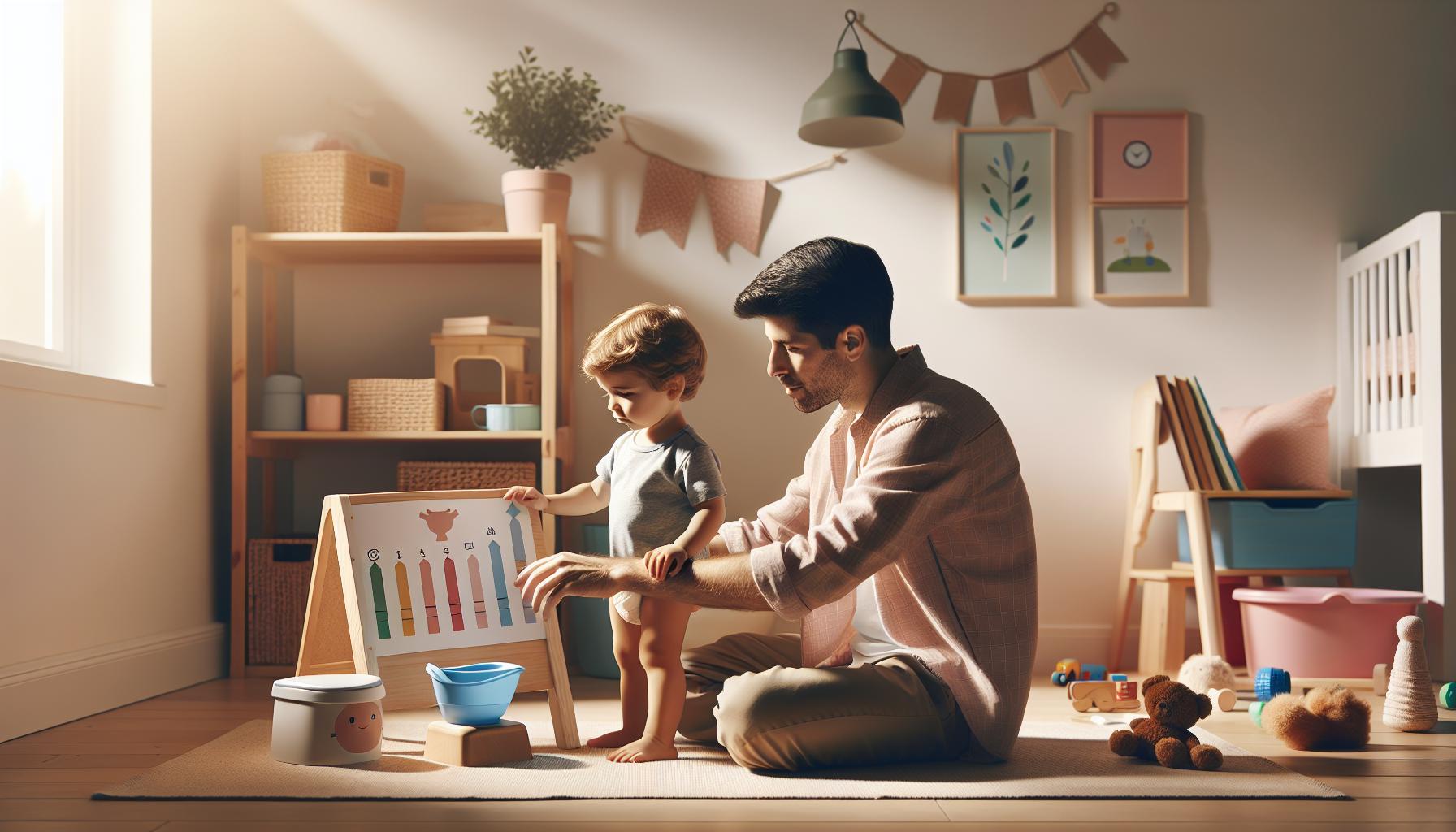
Understanding Your Toddler’s Readiness for Potty Training
understanding when your toddler is ready to transition from diapers to the potty can be both exciting and challenging for parents. Many caregivers find themselves wondering if their child has reached that magical moment of readiness, especially when faced with a stubborn toddler.Recognizing the signs of readiness is crucial in helping to make this process smoother. Research indicates that toddlers are often fully capable of mastering potty training between the ages of 2 and 3. Here are some significant indicators to look out for that suggest your child may be ready to embark on this journey.
signs of Readiness
pay attention to your toddler’s behavior and physical cues, as these can reveal their level of readiness for potty training.Here are some common signs:
- Physical Signs: Can your toddler walk or sit independently? Being able to get to the potty and sit comfortably is essential for triumphant training.
- Communication Skills: If your child can express when they need to go or has shown interest in the bathroom habits of others, it may be a clear indicator they’re ready.
- Discomfort with Dirty Diapers: Does your toddler seem bothered by wet or soiled diapers? A desire for cleanliness can motivate them to use the potty.
- Awareness of Bodily Functions: Notice if they indicate when they are going or show interest during bathroom visits, as this awareness signifies readiness.
- Imitating Behavior: Children often learn through imitation. If they mimic others using the toilet, it suggests they are ready to try, too.
Emotional Readiness
It’s equally critically important to consider your child’s emotional state. Potty training requires a degree of maturity and willingness. A stubborn toddler may resist the process, but fostering a positive attitude can help ease their transition. Here’s how to gauge emotional readiness:
- Willingness to participate: If your child shows curiosity or enthusiasm about the potty,they’re likely ready to engage in the training process.
- Emotional Stability: Is your toddler generally cheerful and less prone to tantrums? A stable mood can be crucial for dealing with the learning curves of potty training.
- Ability to Follow Simple Instructions: If your child can understand and follow basic directions, they are on the right path toward mastering potty training.
Conclusion: A Collaborative Approach
Understanding your toddler’s readiness goes beyond just recognizing signs. It involves creating a supportive surroundings that encourages learning. Implementing gentle methods, as discussed in “How to Potty Train Your Stubborn Toddler: gentle Methods That Work,” can help facilitate this process. Emphasizing patience, positivity, and collaboration with your child will pave the way for successful potty training, turning potential challenges into triumphs.
Consider using the following table to help track and assess your child’s readiness:
| Readiness Indicators | Observation |
|---|---|
| Physical Signs | Can walk and sit independently |
| Communication Skills | Expresses need to go |
| discomfort with Dirty Diapers | Shows awareness of wet/soiled diapers |
| Awareness of Bodily Functions | Indicates when they are going |
| Willingness to Participate | Shows curiosity about the potty |
By monitoring these aspects closely, you’ll be better prepared to approach potty training with confidence and compassion.
Gentle Strategies to Encourage Positive Bathroom Habits
Engaging your toddler in positive bathroom experiences can transform potty training from a daunting task into a manageable and enjoyable journey. Understanding that every child is unique, incorporating gentle and thoughtful strategies can help build confidence and comfort in your little one. Here are some effective methods to encourage positive bathroom habits without the frustration that often accompanies this phase.
Recognize and Adapt to Readiness Signs
Paying attention to your child’s readiness can make a significant difference in how smoothly the training process unfolds.Look for signs such as staying dry for longer periods, showing interest in the toilet, or expressing discomfort with wet or dirty diapers. When you observe these indicators,gently introduce the concept of using the potty at their pace,incorporating it into your daily routine in a non-pressuring manner.
Create a Positive Potty Environment
A welcoming and cheerful bathroom space can encourage your toddler to view potty time positively. Here are some ideas to enhance this environment:
- Decorate: Use colorful decorations, fun potty books, or even a potty chart to track their progress.
- Pleasant setup: Ensure the potty is easy to use,perhaps with a stool for standard toilets,allowing them to reach comfortably.
- Routine Reinforcement: Establish consistent potty times daily, such as after meals or before bedtime, to create a reliable schedule.
Use Rewards and Encouragement
Implementing a reward system can foster a sense of achievement every time your child uses the potty successfully. this could include:
- Sticker Charts: Offer a sticker for every successful attempt, leading to a small reward after reaching a certain number.
- praise and Encouragement: Celebrate their successes, no matter how small, with eager compliments.
- Fun Potty Time: Make the experience more enjoyable by reading stories or singing songs about potty time.
Creating supportive habits fosters independence and confidence in your child.Remember, patience is key. Gentle methods for potty training encourage a positive correlation with bathroom habits, making the process smoother and more enjoyable for both you and your toddler.
Creating a Potty Training Routine That Works for Your Family
Creating a successful potty training routine for your toddler is a game changer, especially when dealing with a stubborn child. Establishing a consistent routine not only eases the transition from diapers to underwear but also fosters a positive environment for learning. One of the gentle methods to embrace during this process involves clear communication,gentle encouragement,and plenty of patience.
To design a routine that fits seamlessly into your family’s lifestyle, consider the following elements:
Set a Schedule
Regular intervals can promote success in potty training. Aim to take your child to the bathroom:
- First thing in the morning
- After meals
- Before and after naps
- Every couple of hours during the day
This schedule helps establish a predictable pattern,making it easier for your child to understand when it’s time to go.You might even use a timer or an engaging potty training app to remind everyone when it’s time for a visit to the toilet.
Use Positive Reinforcement
Every small success deserves recognition. Implement a rewards system that resonates with your toddler, whether it’s verbal praise, stickers, or even a fun treat. Such as, you could set up a simple chart:
| Date | Successes | Reward |
|---|---|---|
| Day 1 | 3 | Sticker |
| Day 2 | 4 | Treat |
| Day 3 | 5 | Extra Storytime |
This visual depiction not only motivates your child but also makes the process feel less daunting. Make sure to celebrate each achievement, reinforcing their progress and building their confidence.
Incorporate Fun and Comfort
Turning potty training into a fun activity can dramatically alter your toddler’s enthusiasm about the process. Choose fun potty-related books, colorful underpants with favourite characters, or even let them pick out a special potty chair.This ownership can make the experience less intimidating and more exciting. Involve your child in the choice of training materials or potty accessories, fostering a sense of control and excitement about their new journey.
By creating a routine that integrates these gentle strategies, you’re not merely teaching your child how to use the toilet but also equipping them with skills that propel them towards independence. Embrace the journey as a bonding experience, and remember, patience is your best ally when tackling the challenges of how to potty train your stubborn toddler.
Overcoming Common Challenges: Tips for Stubborn Toddlers
Successfully navigating the challenges of potty training stubborn toddlers can be daunting,but with the right strategies,you can turn this process into a positive experience for both you and your child. One of the key factors in overcoming these challenges is understanding your toddler’s readiness and emotional state. Children often resist potty training due to fear or discomfort, so it’s crucial to address their feelings with empathy and patience.
Empathy and Understanding
Recognizing the signs of readiness is essential. Look for cues that indicate your child is prepared to begin training, such as showing interest in the toilet or expressing discomfort with dirty diapers.As you notice these signs, initiate discussions about using the potty in a fun and engaging way. Use stories or even role-play with dolls to illustrate the process. This not only eases their anxiety but also makes the concept of potty training relatable.
Create a Routine
Establishing a consistent toilet routine can greatly aid in minimizing resistance.Set specific times for bathroom visits, especially after meals and before bedtime. Use a amiable tone and offer encouragement.Consider incorporating a reward system,such as stickers or small treats,to reinforce successful potty usage. Keep in mind that every child progresses at their own pace, so celebrate each victory, no matter how small.
Make it Fun
Engaging your stubborn toddler in the potty training process can help alleviate some of the tension. Turn the experience into a game by using fun potty songs or creating a private toilet time dance. Having a special potty chart where they can place stickers after each successful use not only provides motivation but also adds a visual representation of their progress. This friendly and enjoyable approach reduces pressure, making the transition smoother.
Dealing with Setbacks
Setbacks are a natural part of potty training. If your toddler regresses or refuses to use the potty, take a deep breath and remain calm. Avoid punishment or frustration, as this can exacerbate resistance. Instead, revisit the potty training process with kindness.It might potentially be beneficial to take a break and try again later, allowing your child to feel more in control. Remember,the goal is to create a positive association with the potty,and patience is critical.
By incorporating these gentle methods, you’ll not only help your stubborn toddler transition to using the toilet but also foster a sense of independence and confidence.Each step they take towards mastering this skill is a win worth celebrating!
The Power of Positive Reinforcement in Potty Training
Harnessing the principles of positive reinforcement can transform the potty training experience for both parents and toddlers. By using rewards and praises to encourage desired behaviors, parents can create a supportive environment that fosters progress and confidence in their children. As an example, when a child successfully uses the potty, immediate positive feedback—be it verbal praise, a sticker, or a small treat—can considerably motivate them to repeat that behavior. This approach not only reinforces successful potty trips but also reduces anxiety and resistance associated with the process.
Strategies for effective Positive Reinforcement
To effectively utilize positive reinforcement in potty training, consider implementing the following strategies:
- Immediate Reward: Offer a reward right after the successful use of the potty to help your child associate the action with positive outcomes.
- Consistent Praise: consistently acknowledge efforts and successes, no matter how small. Verbal praises like “Great job!” or “I’m so proud of you!” help build your child’s self-esteem.
- interactive Charts: Create a potty training chart where your child can place stickers for each successful attempt. This visual reminder can be very motivating.
- engaging Conversations: Discuss the process openly,encouraging your child to express their feelings about using the potty. This creates a sense of involvement and control.
By focusing on positive actions rather than what might go wrong,it’s essential to maintain a calm and cheerful demeanor throughout the process. Parents should remember that accidents are a normal part of potty training and using positive reinforcement to highlight successes can instill resilience in your child. The strategy can lead to a smoother and more enjoyable experience overall.
Examples of Positive Reinforcement Techniques
Here are some practical examples of how to implement positive reinforcement:
| Behavior | Positive Reinforcement |
|---|---|
| Using the potty successfully | Sticker on a reward chart or a small treat |
| Staying dry for a certain period | Praise and an addition to a special toy collection |
| Expressing the need to go | Verbal encouragement and a fun dance party |
Incorporating these reinforcement strategies into your daily routine can not only ease the potty training process but also help in building a trusting relationship between you and your child.By applying the gentle methods outlined in resources like *How to Potty Train Your Stubborn Toddler: Gentle Methods That Work*, you can turn what may seem like a daunting task into an engaging and uplifting experience.
Celebrating Small Wins: building Confidence in Your Child
Celebrating each small victory during the potty training process can significantly boost your child’s confidence, making the journey smoother for both of you. Your stubborn toddler might resist any changes to their routine,but recognizing their progress,no matter how minor,can motivate them to embrace this new milestone. Reinforcing those accomplishments helps to foster a sense of achievement that will carry over into other areas of their development.
Recognizing Progress in Potty Training
Every time your child takes a step closer to mastering the potty, they deserve to be celebrated. This can range from staying dry for a few hours to actually using the toilet. Here are some effective ways to acknowledge and encourage their efforts:
- Verbal Praise: Simple affirmations like “I’m so proud of you for using the potty!” can go a long way.
- Stickers or Rewards Chart: Create a fun rewards system with stickers for each successful attempt. This visual representation of their achievements will keep them motivated.
- Special Treats: Consider small rewards, such as a favorite snack or extra story time, for milestones reached.
- Sharing the News: Let family members and friends no about their progress. Acknowledgment from loved ones can further enhance feelings of accomplishment.
Building a Positive Mindset
by consistently celebrating these small wins, you help foster a positive attitude towards potty training. Encourage your child to express how they feel about the process, reinforcing that everyone experiences challenges. you might find it helpful to remind them that learning new skills takes practice and that it’s okay to make mistakes along the way.
To facilitate this journey, you may want to implement rituals that mark their successes. For example, after a week of progress, you could have a little “potty party” where they can invite a few close friends or family members to celebrate their achievements.
| Accomplishment | Suggested Festivity |
|---|---|
| Using the potty once | Sticker for the rewards chart |
| Staying dry all day | Special dessert after dinner |
| Consistent potty use for a week | Potty party with friends |
| Nighttime dryness | New pajama set or book |
Encouraging your child to embrace these small victories not only aids in potty training but also builds a robust foundation for their growing confidence. Recognizing their achievements nurtures resilience and a growth mindset, skills that will benefit them well beyond the bathroom.
When to Seek Professional Guidance on Potty Training
potty training can frequently enough feel like an uphill battle, especially when parents are faced with a determinedly stubborn toddler. While many children breeze through this developmental milestone, others may require a bit more patience and strategy.Knowing when to bring in expert support is crucial for easing these challenges and fostering a positive potty training experience.
Signs Your Child May benefit from Professional Assistance
Recognizing the indicators that signal the need for external guidance can save time and frustration. Here are some common signs that it might be time to seek help:
- Consistent Resistance: If your child is persistently refusing to use the toilet despite your best efforts over an extended period (typically several weeks), it may indicate deeper anxiety or readiness issues.
- Regression: Should your toddler show a sudden decline in their potty training progress, such as reverting back to diapers after making strides, consulting a professional can definitely help pinpoint underlying causes.
- Physical Concerns: If your child exhibits signs of discomfort or pain during potty attempts, it’s critically important to consult a pediatrician to rule out any medical issues like constipation or urinary tract infections.
- Developmental Delays: Children who experience significant developmental delays may require tailored strategies from a specialist to navigate potty training more effectively.
Professional Resources to Consider
There are various avenues for finding the right kind of help to assist with potty training challenges. Consider the following resources:
| Resource Type | Description | When to Use |
|---|---|---|
| Pediatrician | A healthcare professional knowledgeable about child development and health issues. | when physical discomfort or medical concerns are suspected. |
| Child Psychologist | A specialist focusing on children’s emotional and behavioral issues. | When your child exhibits severe anxiety or resistance to potty training. |
| Parenting Coach | An expert in child-rearing strategies and techniques. | When you’re in need of practical advice on gentle potty training methods. |
The journey of teaching a toddler to use the toilet can be littered with frustration, but it’s important to remember that seeking guidance is not a sign of failure. In fact, enlisting the help of professionals who specialize in potty training can provide awareness and strategies tailored to your child’s unique needs. By addressing concerns early, you can guide your stubborn toddler through this essential milestone with a sense of ease and confidence.
Ensuring a Stress-Free Transition: Managing Expectations
Understanding the dynamics of potty training can often feel like navigating a maze. One moment you’re feeling optimistic, and the next, frustration creeps in as your stubborn toddler resists the transition. It’s crucial to manage expectations during this critical phase, as this can significantly influence the emotional well-being of both parent and child. By adopting a calm and flexible approach, parents can create a supportive environment that reduces stress and fosters success.
set Realistic Goals
Every child is different and will approach potty training at their own pace. Instead of aiming for a rigid deadline, focus on gradual progression. Here are a few tips to help you set manageable goals:
- Focus on readiness signs: Look for signs of readiness such as showing interest in the toilet, staying dry for longer periods, or expressing discomfort in dirty diapers.
- Create a routine: Establish a consistent schedule for bathroom visits, such as after meals or before bedtime, which can definitely help normalize the process.
- Celebrate small victories: acknowledge even the smallest improvements.Celebrations—like a sticker chart or verbal praises—can motivate your child and reduce resistance.
Communicate Openly
Maintaining open lines of communication with your toddler plays a vital role in their potty training success. Children often resist this transition due to fear or confusion. To ease their anxieties:
- use simple language: Explain the process in age-appropriate terms. “We use the potty like big kids!” resonates more than complex explanations.
- Read together: Introduce books about potty training. Stories featuring relatable characters can make the experience feel less intimidating.
- Encourage questions: Allow your child to express their feelings and concerns, ensuring they feel heard and understood.
Be Prepared for setbacks
Understanding that setbacks are a normal part of the potty training journey will help set more achievable expectations. Encountering challenges doesn’t mean you’re doing something wrong. Rather, it’s a signal for you to reassess and adapt your methods.
| Common Setbacks | Possible Causes | Action Steps |
|---|---|---|
| Refusal to use the toilet | Fear of flushing or falling in | Introduce a potty seat or let them pick a colorful toilet accessory to make it less intimidating. |
| Frequent accidents | Overwhelmed or distracted | Re-establish the routine and remind them to take breaks from play to check in with their body. |
| Regression after initial success | Changes in environment (moving, sibling born) | Provide extra reassurance and patience during transitions, emphasizing that challenges are okay and everyone has them. |
Navigating potty training with a stubborn toddler doesn’t have to be a battlefield. By setting realistic expectations, fostering open communication, and approaching setbacks with understanding, parents can guide their children through this important life skill with ease and confidence.
FAQ
How to potty train your stubborn toddler effectively?
To potty train your stubborn toddler, focus on a gentle, patient approach. Use positive reinforcement like praise and rewards, making the process a fun and engaging experience. Gradually introduce the potty and allow your child to explore it at their own pace.
Every child learns at their own speed, and gentle methods can make a significant difference. Start by letting your child watch you or older siblings use the toilet. Make a routine and encourage them to sit on the potty regularly, emphasizing that it’s a normal, grown-up thing to do.
What is the best age to start potty training?
The best age to start potty training usually falls between 18 months and 3 years. Though,every child is different,and signs of readiness can vary widely.
Look for readiness signs such as showing interest in the bathroom, staying dry for longer periods, and communicating their needs. If your toddler seems resistant, it may be worth waiting a few weeks before trying again, as pressure can lead to frustration for both of you.
Why does my toddler resist potty training?
Resistance to potty training can stem from several factors, including fear of the toilet, discomfort, or simply wanting to assert independence. It’s essential to approach this phase with understanding.
Sometimes, children associate potty training with losing the security of diapers. Instead of forcing it, gently encourage them and normalize the experience.You might find my article on creating a potty training routine helpful.
Can I use rewards during potty training?
Yes,using rewards can be a great way to encourage your toddler during potty training. Small incentives like stickers or extra playtime can motivate them to use the potty.
Positive reinforcement is key. Celebrate every success,no matter how small. For example, if your child sits on the potty, even if they don’t go, praise them enthusiastically to build their confidence.
How long does it typically take to potty train?
The time it takes to potty train varies greatly from child to child, but the average span is anywhere from a few weeks to a few months. Consistency and patience are critical!
Some toddlers might grasp the concept quickly, while others may take longer. Regular practice and gentle encouragement help establish a routine. don’t hesitate to revisit the process if your child seems disinterested or frustrated; learning often requires time and grace.
What if my child is afraid of the toilet?
If your child is afraid of the toilet, it’s important to address their feelings with empathy and support. Encourage them to express their fears and validate those feelings.
Introducing a fun potty or using a child-friendly toilet seat may mitigate some fears. Engage them in conversations about the potty’s purpose and let them take small steps toward comfort—like sitting fully clothed on the potty at first to help lessen anxiety.
Are there any signs that my toddler is ready for potty training?
Yes,signs of readiness for potty training include showing interest in the toilet,staying dry for extended periods,and communicating their needs effectively.These indicators suggest your toddler might potentially be ready.
Look out for behavioral readiness signs, like asking to wear underwear, imitating adults, or expressing discomfort with dirty diapers. Acknowledging these signs can significantly boost your child’s success in the potty training process.
To Wrap It Up
potty training your stubborn toddler doesn’t have to be a daunting challenge. By embracing gentle methods, you can transform this milestone into a positive experience for both you and your child. Remember,patience and consistency are key. Celebrate the small victories and avoid pressure, allowing your toddler to take the lead at their own pace. Each child is unique, and it’s perfectly normal for the journey to have its ups and downs. As you navigate this process, connect with other parents who understand your experience, share tips, and find support. You’re not alone in this journey; together, we can make potty training a more manageable and enjoyable experience. For more tips,strategies,and encouragement,keep exploring our resources—we’re here for you every step of the way!


