
Potty training can often feel like an uphill battle, leaving parents frustrated and children stubbornly resistant. Understanding how to navigate these power struggles is essential for a smoother transition to independence. This article offers practical strategies to foster cooperation and make the potty training experience more enjoyable for both you and your little one.
Understanding the Root Causes of Power Struggles in Potty Training
When embarking on the journey of potty training, many parents find themselves unexpectedly in the midst of tense power struggles. These conflicts can stem from various underlying causes,often leaving caregivers and children feeling frustrated and defeated. Understanding the root causes of these power dynamics is crucial to navigating the journey smoothly and effectively.
Common Triggers for Power Struggles
Several factors can contribute to power struggles during potty training sessions. Recognizing these triggers can definitely help parents manage expectations and find more effective strategies for success.
- Child’s Developmental Readiness: Children may not be developmentally ready for potty training when parents decide to start, leading to resistance.
- Desire for Independence: Toddlers are naturally asserting their autonomy, and potty training can be a battleground for this exploration of independence.
- Fear or Anxiety: The transition from diapers to the toilet can evoke fear or anxiety related to falling in or the unfamiliarity of the toilet itself.
- Parental Pressure: Sometimes, the pressure from parents to succeed quickly can create an environment of stress rather than support.
Communication Gaps
Effective communication between parent and child plays a pivotal role in reducing power struggles. If children do not understand what is expected of them or feel misunderstood, resistance may heighten. Here are a few communication tips to build a stronger connection:
- Use Simple Language: Speak in terms your child can easily understand, avoiding complex phrases that may confuse them.
- positive Reinforcement: Celebrate accomplishments, though small, to build confidence and encourage participation.
- Encourage Questions: Create an open dialog where your child feels pleasant asking questions about potty training.
To further illustrate the impact of these triggers, a streamlined table outlines how each factor can manifest during potty training:
| Concern | Manifestation | Potential Solutions |
|---|---|---|
| Developmental Readiness | Frequent accidents and refusal to sit on the potty | Assess readiness signs and be patient |
| Desire for Independence | Defiance when asked to use the toilet | Offer choices, like picking out training pants |
| Fear or Anxiety | Reluctance to enter the bathroom or fear of flushing | Address fears calmly and introduce the concept gradually |
| Parental Pressure | Child’s resistance increases when pushed | stay encouraging while adopting a flexible approach |
By identifying and understanding these root causes of power struggles, parents can better equip themselves with strategies to cut through conflicts during potty training sessions. Tailoring responses to the individual needs of the child and fostering an environment of support can transform a challenging process into a more harmonious experience.
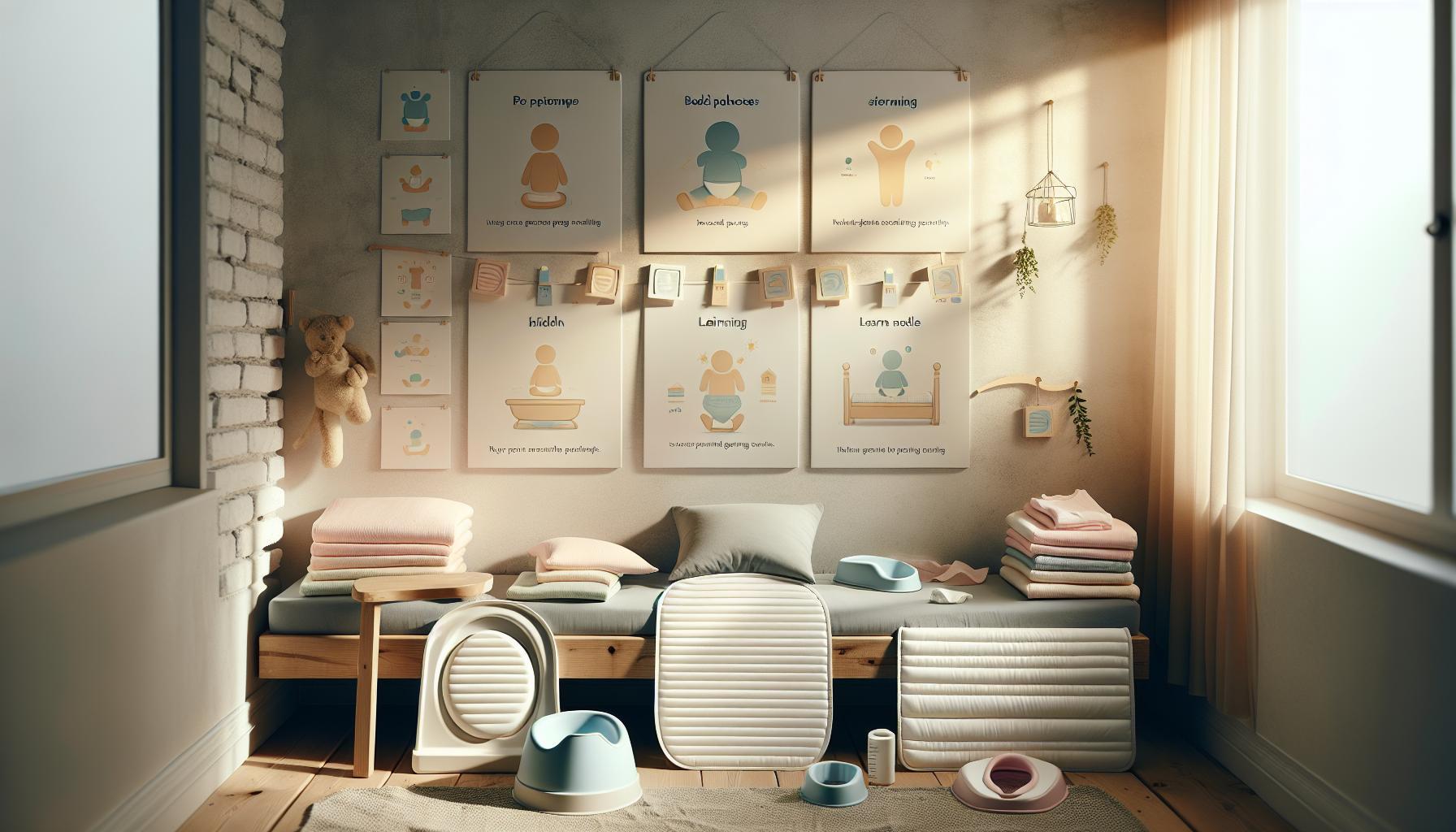
Creating a Positive Potty Training Environment for Your Child
Creating a nurturing atmosphere for potty training can make a world of difference in your child’s experience. It’s essential to understand that this process should be seen as a collaborative journey rather than a battleground. Transforming the potty training period into a positive adventure not only eases the pressure on both you and your child but also reduces the likelihood of power struggles that can arise.
Start by setting the stage with an inviting and child-kind bathroom space that makes them feel secure and in control. Here are some tips for crafting a positive environment that encourages cooperation:
- Use Child-size Equipment: Invest in a child-friendly potty chair that is luminous and fun. A potty that resembles their favorite characters can ignite excitement.
- Decorate the Bathroom: Add cheerful and colorful decor. Maybe hang up their artwork or use stickers to personalize the space and make it feel special.
- Establish a Routine: Consistency is key. Create a routine that incorporates regular times throughout the day for potty breaks, helping them anticipate when it’s time to use the potty.
- Encourage Independence: Allow your child to choose their underwear, whether it’s their favorite superhero or princess, reinforcing their autonomy and making the process more engaging.
An effective way to maintain a positive atmosphere is through praise and rewards. Children thrive on encouragement, so celebrating their successes—no matter how small—is vital. You can establish a simple reward chart where they earn stickers for each accomplished potty use,visually tracking their progress and accomplishments.
Open Communication and Comfort
Talk openly with your child about the process, using language they understand. Explain that everyone, including adults, uses the bathroom and that it’s a natural part of growing up. This validation can help dissolve fears and resistance. Additionally, creating a gentle narrative can provide comfort during what may feel like a daunting change.
In situations where reluctance emerges, it’s crucial to remain calm and patient, allowing your child to express their feelings. If they’re feeling anxious or uninterested, give them space and time. Instead of pushing through, encourage breaks or schedule potty time after meals when they might naturally feel the urge.
By recognizing and addressing your child’s feelings and providing a supportive environment, you foster an atmosphere ripe for success. Creating a positive potty training experience aligns with the goal of cutting through power struggles during potty training sessions, transforming potentially challenging moments into opportunities for bonding and growth.
Strategies to Encourage Cooperation and Reduce Resistance
Engaging in potty training can be an emotional rollercoaster, with many children expressing their independence through resistance. To successfully navigate these moments, it’s vital to adopt strategies that encourage cooperation from your little one. Understanding that this process is as new to your child as it is to you can help alleviate power struggles. Here are some actionable strategies to minimize conflicts during potty training.
Positive Reinforcement
One effective way to encourage positive behavior is through the use of rewards. When your child successfully uses the potty,celebrate their accomplishment with enthusiastic praise or small rewards,such as stickers or a special treat. This creates a positive association with potty training. Consider setting up a chart where they can track their progress visually; children frequently enough respond well to seeing tangible achievements.
Incorporating Choice
Allowing your child to have a say in the potty training process can significantly reduce resistance. Offer choices within the framework of potty training, such as selecting their potty chair or choosing their underwear. This gives them a sense of control. You might say, “Would you like to use the blue potty or the red one?” or “Do you want to wear the superhero underwear or the princess ones today?” This not only minimizes potential power struggles but also engages them in the process.
Routine and Consistency
Establishing a consistent routine can definitely help children feel more secure and less resistant to using the potty. Schedule regular bathroom breaks throughout the day, especially after meals or before naps. Predictability can definitely help your child understand that using the potty is a normal part of their day. Reinforce this routine by creating a fun song or rhyme related to potty time, making it an enjoyable transition rather of a battle.
Make It Fun
Turning potty training into a fun experience can also help reduce any resistance your child may feel.Incorporate books, videos, or games that center around potty training. Engage them in imaginative play related to the topic, allowing them to role-play with dolls or action figures. This not only educates them about the process but also makes it feel less intimidating.
By applying these strategies, parents can adeptly sidestep power struggles during potty training sessions. Each child is unique, so be patient and willing to adapt your approach as needed. Through fostering a cooperative atmosphere and infusing fun into the process, you’ll pave the way for a smoother transition from diapers to the potty.
The Role of consistency and Routine in Successful Potty Training
Establishing a consistent routine during potty training can make the difference between a smooth transition and a frustrating power struggle. Children thrive on predictability, and by incorporating a structured approach to potty training, parents can reduce anxiety for both themselves and their little ones. As mentioned in discussions around effective strategies, the implementation of consistency and routine not only helps in avoiding power struggles but also encourages the child to embrace the process.
Benefits of Consistency in Potty Training
Incorporating a consistent routine can help children learn faster and build confidence. Here are some key benefits of maintaining a well-structured potty training regimen:
- Predictability: When children know what to expect, they experience less anxiety. Consistent timings for bathroom breaks teach them to recognise their bodily signals.
- Reinforcement of Habits: Regular practice can solidify the connection between feeling the urge to go and responding to it promptly.
- Empowerment: Completing tasks in a routine builds a child’s sense of accomplishment. Celebrating small victories during potty training reinforces their positive association with the process.
Creating a Routine: Practical Tips
To effectively cut through power struggles during potty training sessions,here are some actionable steps to create a routine that works:
- Set Regular Times: Schedule bathroom visits at specific times of the day,such as after meals or before bedtime,to establish a predictable pattern.
- Use Visual Aids: Create a potty training chart that outlines the routine, allowing your child to track their own progress. This visual reinforcement can motivate them.
- Incorporate Play: Make bathroom time fun by reading a favorite book or singing a silly song while they sit on the potty. This distraction can diminish resistance.
- Be Patient and Flexible: Understand that accidents will happen. Maintain a calm demeanor when they do, and adjust your routine based on the child’s unique needs.
Real-World Example
Consider a scenario where a parent adopts a consistent routine with their child, Maria. They decide that every morning after breakfast, Maria will have a designated “potty time.” By incorporating a sticker reward system for each successful attempt, Maria not only looks forward to the bathroom visits but also begins to understand her body’s signals more intuitively. Over time, this structure diminishes any potential power struggles, allowing potty training to become a cooperative venture rather than a conflict-laden chore.
By capitalizing on the power of consistency in potty training, families can navigate this developmental milestone with greater ease while fostering a nurturing environment that supports learning and growth.
Effective Communication: Talking to Your Child About Potty Training
Effective communication with your child during potty training can lay the groundwork for a positive and stress-free experience. Many parents struggle with resistance and power dynamics during this stage, often feeling frustrated when their little ones refuse to cooperate. By fostering open and supportive conversations, you can guide your child through this transition while minimizing conflicts.
The Power of Language
Using language effectively can make a important difference in how your child perceives potty training. Instead of framing it as a chore, consider discussing it in a positive light. for instance, you could say, “It’s exciting to learn how to use the big kid toilet!” This not only makes the experience sound fun but also invites curiosity. Here are some key points to remember when choosing your words:
- Be Encouraging: Compliment your child’s efforts, even if they’re small. A simple “Great job sitting on the potty!” can boost their confidence.
- Stay Calm: Use a calm tone when discussing any setbacks. Avoid showing frustration, as children often mirror their parents’ emotions.
- Age-Appropriate Language: Use simple words and concepts that your child can understand, and clarify any terms that may confuse them.
Creating a Dialogue
Engaging your child in conversations about potty training can definitely help them feel involved in the process. Rather of simply dictating what they need to do, ask open-ended questions that encourage them to express their thoughts and feelings. For example, you might ask, “How do you feel about trying to use the potty today?” This approach not only empowers your child but also provides insight into their mindset, allowing you to tailor your methods accordingly.Incorporating stories or characters your child loves can also offer a relatable way to discuss potty training. Tell them about a favorite character who learned to use the toilet, or read a book that features potty training adventures. This method can capture their inventiveness and reduce anxiety about the change.
Visual Aids and Charts
Leveraging visual aids can further enhance communication. Consider creating a simple chart that tracks your child’s progress and rewards. This can serve as a motivational tool and offer a sense of accomplishment.
| Day | Successes | Notes |
|---|---|---|
| Monday | 2 | Excited about the potty! |
| Tuesday | 1 | Seemed nervous. |
| Wednesday | 3 | Practiced with books. |
Creating a dialogue around potty training, utilizing age-appropriate language, and implementing engaging tools can definitely help eliminate power struggles and create a more harmonious experience for both you and your child. This proactive communication strategy will not only ease the challenges associated with this developmental milestone but also strengthen your bond during an vital growth phase.
Navigating Setbacks and Celebrating Progress during Training
When it comes to potty training, the journey can sometimes feel like an emotional rollercoaster for both parents and children. Setbacks are a natural part of the process, and understanding how to navigate these moments can make all the difference. During potty training sessions, a child may exhibit resistance that can lead to power struggles, leaving parents frustrated and confused about how to manage the situation effectively. Recognizing that setbacks don’t erase progress is essential; rather, they provide an prospect to learn and adapt.
Understanding Setbacks
Setbacks during potty training can manifest in various ways—refusals to sit on the toilet, accidents during the day, or even regressions after a period of success. These challenges are not a reflection of failure but are frequently enough a part of a child’s emotional growth. Stress, changes in routine, or new feelings can trigger a regression in habits. Acknowledge these moments by:
- Staying Calm: Your child picks up on your emotions. Responding with patience and understanding can alleviate pressure.
- Identifying Triggers: Observe when setbacks tend to happen. This could be linked to stress at home, a new sibling, or even a significant life change.
- Reexamining Expectations: Make sure your expectations align with your child’s readiness. This will help reduce frustration during power struggles.
Celebrating Progress
Even in the face of setbacks, it’s equally important to celebrate the progress made. Highlighting achievements, no matter how small, can motivate both you and your child to persevere through challenges. Consider implementing a rewards system that doesn’t solely focus on successful potty visits,but also acknowledges efforts and improvements:
| Achievement | Reward Idea |
|---|---|
| Tried to use the toilet | Sticker on a reward chart |
| Staying dry for a day | Extra bedtime story |
| Using the toilet consistently for a week | A small toy or treat |
celebrating these milestones reinforces positive behavior and helps foster a sense of accomplishment. Make sure to involve your child in these celebrations, as their enthusiasm will fuel their willingness to keep trying.
By fostering a supportive environment and encouraging your child to view setbacks as a part of growth, you’ll be better equipped to cut through power struggles during potty training sessions. Remember, it’s all about nurturing resilience and building confidence through each stage of the training process.
tips for Single Parents: Managing Potty Training Challenges Alone
Managing the intricacies of potty training can be especially daunting for single parents who are navigating this critical milestone without additional support. The emotional and logistical challenges that come with potty training can turn into power struggles, often leading to frustration for both parent and child.To ease the journey, it’s critically important to utilize effective strategies that focus on cooperation, encouragement, and understanding.
Establish a routine
Creating a consistent routine can make a world of difference. Children thrive on predictability, so setting specific times for potty visits helps in reinforcing habits. Here are some tips to establish a successful routine:
- Consistent Timing: Take your child to the bathroom every two hours. Also, consider extra visits after meals or before bed.
- Visual Schedules: Use charts or pictures to create a visual schedule for your child, highlighting when they should use the potty.
- Celebrate Success: Incorporate high-fives or small rewards every time your child successfully uses the toilet to foster enthusiasm.
Clear Communication
Effective communication is key in reducing power struggles during potty training sessions. This involves not only what you say but how you say it. Here are strategies to enhance communication:
- Simple Language: Use concise language that your child can easily understand. Avoid complicated explanations that can confuse.
- Positive Reinforcement: Replace commands with encouragement. Rather than saying “no accidents,” express that it’s great when they try to use the potty.
- Empathy: Show understanding of their feelings. If they are scared or resistant, acknowledge their feelings and reassure them that it’s okay to be nervous.
Supportive Environment
Creating a supportive environment can significantly alter your child’s perspective on potty training. Consider these elements to help smooth the journey:
- Comfortable Setting: Ensure that the potty is comfortable. A potty chair that’s too big might intimidate them.
- Involve Them: Let your child choose their potty or pick out special underwear. This empowers them and gives them a sense of ownership.
- Peer Role Models: Arrange playdates with slightly older kids who are already potty trained. kids often emulate their peers, turning the learning process into fun.
Utilizing these strategies while focusing on effective communication and establishing a supportive routine can help single parents tackle the challenges of potty training head-on. Embracing a proactive approach not only makes the process smoother but also strengthens the bond between parent and child during a pivotal developmental stage.
faq
How to Cut Through Power Struggles During Potty Training Sessions?
Start by establishing a positive atmosphere. Use encouragement and celebrate small successes to create a relaxed potty training environment. Avoid demands and maintain a flexible approach. Potty training can often be full of challenges, especially when power struggles arise. It’s essential to create a situation where your child feels in control, reducing the urge to push back against your guidance. Encourage cooperation through praise and small rewards.
What are common triggers for power struggles during potty training?
Triggers can include stress, control issues, and impatience. Children may feel overwhelmed, leading them to resist potty training altogether. Recognizing these triggers allows you to adjust your strategies. For instance, if your child is anxious, try introducing a fun potty training chart or a potty doll to ease their worries. Understanding their feelings can definitely help you guide them better during this transition.
Why does my child resist potty training?
Resistance often stems from a child’s need for control. As they grow, children express their independence in different ways, including during potty training. This resistance can also relate to fear of change or discomfort.Parents can empower their children by offering choices related to potty training, such as selecting their potty or the underwear they want to wear, fostering a sense of autonomy.
Can I use rewards to ease potty training power struggles?
yes, rewards can be effective if used thoughtfully. Using a reward system encourages positive behavior without creating an over-reliance on bribes. Simple rewards like stickers or an extra story at bedtime can significantly motivate your child. It’s vital, however, to ensure that the rewards don’t overshadow intrinsic motivation—celebrating the achievement itself is equally important!
How long should I expect potty training to take?
The potty training process typically varies from a few weeks to several months. Each child’s readiness and temperament will influence how quickly they adapt. While some children may catch on quickly,others may take their time. Staying patient and maintaining a consistent routine is key. If you’re feeling overwhelmed, consider checking out our guide on understanding your child’s readiness for more insights.
What are effective communication strategies during potty training?
Using clear, positive language is crucial during potty training. Speak about the process in encouraging tones and validate your child’s feelings. Phrases like “We can try together!” or “It’s okay to feel nervous!” can definitely help build trust. Engaging in role-play or reading books about potty training can further ease anxieties and promote understanding. Communication fosters cooperation and lessens resistance as your child feels more linked to the process.
Why is routine important during potty training?
Routine helps create comfort and predictability. Children thrive in environments where they know what to expect. Establishing a schedule for potty trips can make the process easier and less intimidating. Trying to keep the routine consistent, especially amidst daily life changes, helps signal to your child when it’s time to use the potty. A structured approach can aid in reinforcing progress and minimizing struggles.
to sum up
Navigating potty training can feel like a significant challenge, especially when power struggles arise. Remember, patience and understanding are key. By focusing on encouragement, setting clear expectations, and creating a positive atmosphere, you can make this transition smoother for both you and your child. It’s critically important to celebrate small victories,reinforcing their progress and building their confidence. Keep in mind that every child is unique, and adapting your approach to fit their individual needs is crucial.
As you embark on this journey, don’t hesitate to seek support from fellow parents or trusted resources. You are not alone in this! Embrace the learning process, and remember that it’s okay to ask for help. With compassion and consistency, you will guide your child through this phase successfully. For more tips and shared experiences, explore our additional resources and connect with other parents who are walking this path with you.Your journey is valuable, and every step forward is worth celebrating!