


Can you imagine sharing your home with a feathered friend without the mess? Many pet owners wonder if their birds can be potty trained, and the answer is a resounding yes! Understanding avian behavior and employing effective techniques can transform your living space and enhance your bond with your pet. Discover surprising tips for triumphant training that can make all the difference for your family and your feathered companion.
Understanding Avian Behavior: Why Potty Training is absolutely possible
Engaging with birds frequently enough feels like peering into a world full of intelligence and personality, qualities that might come as a surprise to many. Birds are not only capable of mimicking human speech but also exhibit behaviors that suggest a surprising level of cognitive ability. This intelligence can make the idea of potty training seem not just feasible but a rewarding endeavor for pet owners looking to enhance their bond with their avian companions.Understanding why potty training is possible begins with recognizing that many birds are instinctually clean animals. In the wild, they instinctively avoid soiling their living spaces to deter predators. This natural inclination can be harnessed in a domestic setting, making it easier for owners to encourage their birds to stool in designated areas.
To successfully potty train your bird, you can follow these fundamental steps:
- Observe Natural Patterns: Spend time observing your bird’s habits. Noting when they tend to relieve themselves will give you clues on when to guide them to their designated spot.
- Consistent Routine: Implement a consistent schedule for taking your bird to the designated area after meals or playtime, reinforcing positive behavior through repetition.
- Positive Reinforcement: Use treats or verbal praise promptly after they pooh in the right spot to create a positive association with the behavior.
- Patience and persistence: Just like any training process, patience is key. Consistency and encouragement will yield results over time.
Moreover, certain avian species, such as budgies and cockatiels, exhibit more pronounced potty training success due to their social nature and ability to learn through observation. Thus, the combination of their instinctual behaviors and capacity for learning presents an exciting prospect for pet owners.
To better illustrate the potential of potty training in birds,consider the following table highlighting common species and their suitability for such training:
| Bird Species | Trainability | Average Time to Train |
|---|---|---|
| Budgerigar (Budgie) | High | 2-4 weeks |
| Cockatiel | Moderate | 3-6 weeks |
| Amazon Parrot | High | 4-8 weeks |
| Lovebird | Moderate | 6-8 weeks |
Through this lens of understanding avian behavior,it’s clear that with commitment and the right approach,potty training can not only be possible but can also enhance the overall dynamic between birds and their owners,leading to a more harmonious living surroundings and a deeper,more rewarding companionship.
Essential Supplies to Get Started with Bird Potty Training
Getting your feathered friend to use a designated spot instead of messily decorating your living space can feel like a lofty challenge. However, with the right supplies and a bit of patience, you can embark on a successful potty training journey. By setting up your home with the essentials, you’ll create an environment conducive to your bird’s potty training success, allowing you and your pet to enjoy a cleaner, more harmonious living space.
Must-Have Supplies for Successful Potty Training
To get started, invest in these crucial supplies that facilitate the potty training process:
- training Perches: Installing designated perches to encourage your bird to perch in specific areas makes it easier to manage potty habits. Choose non-toxic, easy-to-clean materials.
- Pee Pads or Absorbent Liners: Place these under the training perches to absorb any accidents. These pads can be replaced easily and will help protect your furniture.
- Scheduled Feeding Containers: Using timed feeders can definitely help regulate your bird’s bathroom habits. When their feeding schedule is predictable, so is their potty schedule!
- Positive Reinforcement Treats: Favor your bird’s favourite snacks as rewards for successful bathroom breaks. Using treats effectively promotes positive associations with the potty training process.
- Cleaning Supplies: Keep enzyme-based cleaners handy for quick cleanup. these help eliminate odors and prevent your bird from returning to the same spot.
Setting the Stage for Success
In addition to having the right tools,establishing a consistent routine is vital. Birds are creatures of habit, so here’s how to integrate your supplies into a structured training plan:
| Time of Day | Suggested Activity |
|---|---|
| Morning | Take your bird to its training perch after breakfast |
| Midday | Encourage playtime on the perch while observing potty habits |
| Evening | Repeat the perch routine before bedtime |
By maintaining a routine and utilizing these essential supplies, you substantially increase your chances of successfully potty training your bird. Remember, patience is key, and plenty of positive reinforcement will make the journey both enjoyable and effective. Bird potty training may seem daunting at first, but with dedication and the right approach, you’ll find that not only can birds be potty trained, but they can also delightfully adapt to a cleaner lifestyle in your home.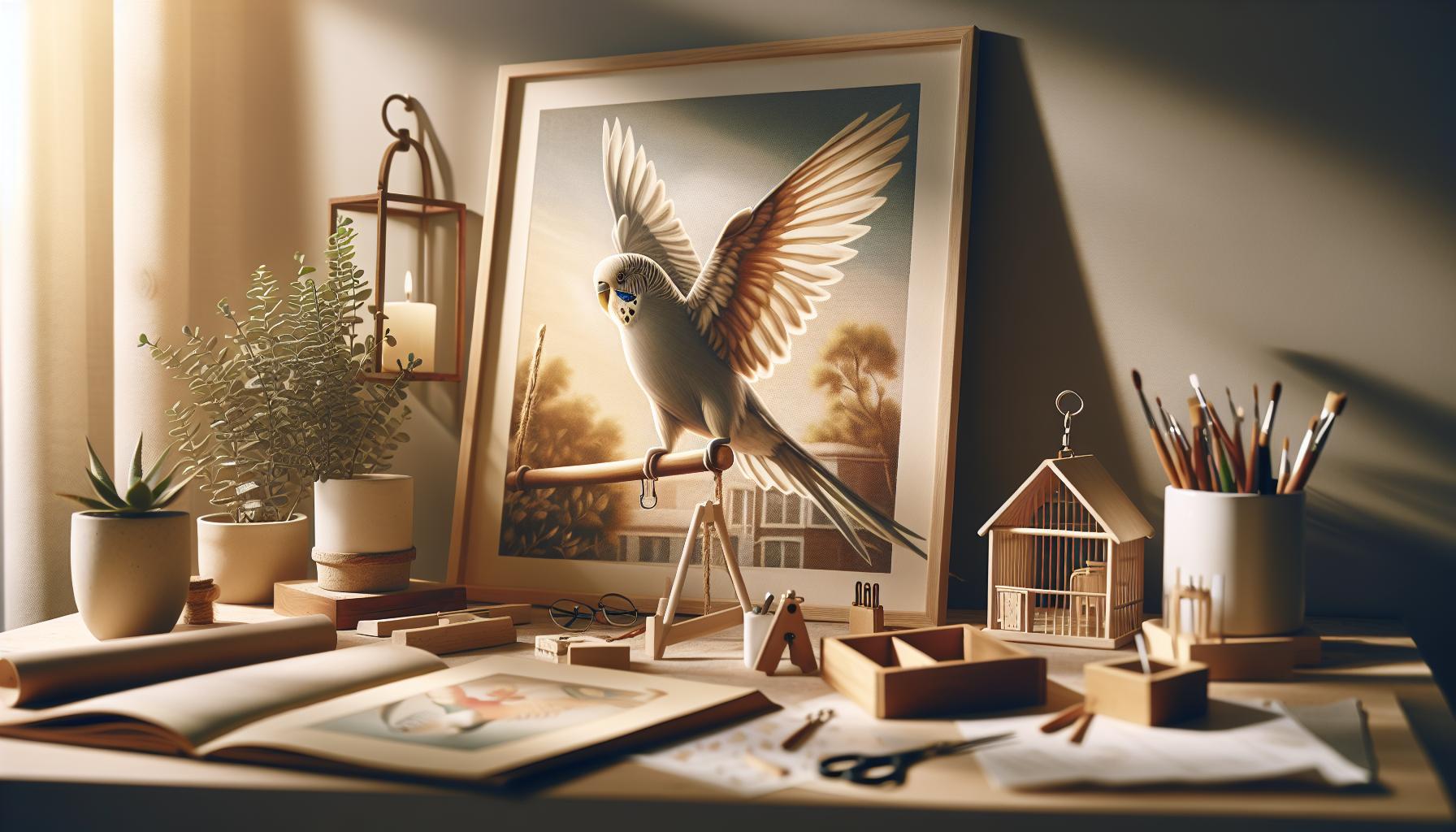
Step-by-Step Guide: Teaching Your Bird Where to Go
When it comes to managing the mess that can accompany owning birds, many pet owners wonder about the possibility of toilet training their feathered friends. The truth is, many birds can be taught to go in designated areas—offering a surprising layer of cleanliness and convenience for families.If you’re keen to explore how to teach your feathered companion where to go, follow these practical steps to set the stage for a successful potty training experience.
Understanding Your Bird’s Behavior
Before diving into the mechanics of training, it’s essential to observe and understand your bird’s natural behaviors.Birds typically instinctively seek to avoid soiling their living spaces, which is a pivotal factor in potty training. Here are some key insights to consider:
- Know Their Patterns: Watch for signs that your bird needs to relieve itself. Common indicators include fidgeting, squawking, or moving to a specific spot.
- Natural Preferences: Some birds may prefer to go in particular areas or at certain times of day,especially after eating. Note these habits to predict when they might need to go.
- Use a Consistent Cue: Establish a word or phrase that signals it’s time for your bird to go—this can create an association that reinforces the behavior.
Creating a Designated Area
Now that you’ve grasped your bird’s behaviors, the next step involves preparing an appropriate location for them to relieve themselves. A spot close to their perch or play area is ideal for ease of access. Consider the following tips:
- Choose a Suitable Bathroom Area: Use a potty pad or paper towels in an area that’s easy to clean.
- Incorporate Positive Reinforcement: When your bird uses the designated area, reward them with a treat or praise to reinforce the behavior. This will make the bathroom area more appealing.
- Gradually Encourage Independence: Allow your bird to explore the area on their own while keeping a close watch to catch their potty signals.
Establishing a Routine
Consistency is key in training your bird where to go. Creating a routine not only helps reinforce learning but also aligns with the natural instincts of your pet. Here’s how to do it effectively:
- Regular supervision: Keep an eye on your bird, especially after meals or playtime, to quickly direct them to their potty area when necessary.
- Schedule Potty Breaks: Take your bird to the designated potty area at regular intervals to create a habit. For instance, try every 30 minutes to start.
- Use Visual Cues: If your bird has an affinity for certain items (like a favorite toy or perch), place these near the potty area to attract them during potty breaks.
Tracking Progress and Adjusting the Strategy
Training takes time, and progress may fluctuate. Documenting your bird’s achievements can provide insight into what works best. Consider maintaining a chart similar to this:
| Day | Potty Breaks taken | Successful Potty Uses | Areas for Improvement |
|---|---|---|---|
| day 1 | 4 | 1 | More encouragement needed |
| Day 2 | 5 | 3 | Shorten time between breaks |
| Day 3 | 5 | 4 | No adjustments needed |
By recognizing patterns in their behavior—whether it’s an increase in successful uses or the need for more engaging incentives—you can tweak your strategy accordingly. Remember that patience and positivity not only enrich your bird’s experience but also foster the mutual trust that lays the groundwork for successful potty training.
Positive Reinforcement: The Key to Successful Training
Training a bird can be a rewarding experience, especially when utilizing positive reinforcement techniques that encourage desired behaviors. Birds, much like children, thrive on encouragement and rewards, which can lead to successful outcomes in behaviors such as potty training. By incorporating methods of positive reinforcement into your training regimen, you significantly increase the likelihood of your feathered friend not only understanding what is expected but also enjoying the process.One effective way to implement positive reinforcement is through the use of verbal praise and treats.When your bird successfully uses its designated potty area, immediately reward it with a small treat and keen verbal praise. This reinforces the behavior and teaches the bird that doing its buisness in the right place yields positive outcomes. over time, your bird will start to associate the action with the reward, making it more likely to repeat the behavior.
consider the following tips to enhance your positive reinforcement strategy:
- Consistency is Key: Always use the same cue words or phrases and ensure that everyone in the household follows the same training methods.This clear communication helps your bird learn faster.
- Timing Matters: Reinforce the desired behavior immediately after it occurs. Birds have short attention spans, so the closer the reward is to the behavior, the better.
- Gradual Progression: Start training in short sessions to avoid overwhelming your bird. Gradually increase the duration as your bird becomes more comfortable with the process.
By applying these principles of positive reinforcement, as exemplified in the article “Can Birds Be potty Trained? Surprising Tips for Family Pet Success,” you can nurture a mutual understanding that benefits both you and your pet.Adopting a patient and persistent approach with consistent positive feedback not only leads to successful potty training but also strengthens the bond between you and your bird, ultimately making the training experience enjoyable for both parties.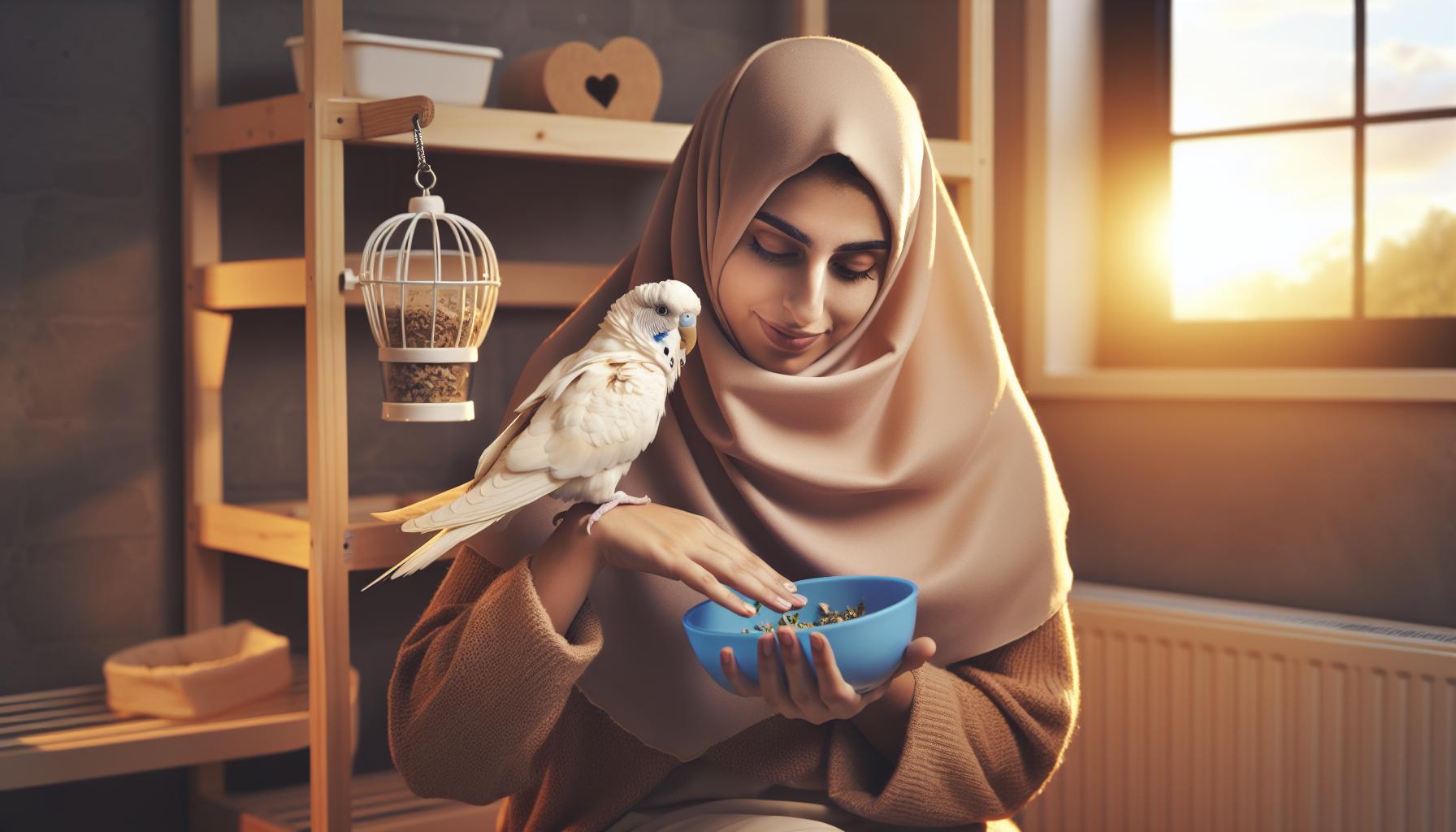
Common challenges in Bird Potty Training and How to Overcome Them
Potty training birds is not just an unusual trick; it’s a practical solution to maintaining cleanliness in your home while nurturing a harmonious relationship with your feathered friend. Though, prospective bird owners may face several challenges on this journey. It’s essential to be equipped with effective strategies to ensure success in this unique endeavor.
Routine and Consistency
One of the most meaningful hurdles in bird potty training is establishing a consistent routine. Birds thrive on predictability, and without a regular schedule, they may not learn when or where to relieve themselves. To overcome this, consider the following tips:
- Create a Potty Schedule: Observe your bird’s natural bathroom habits and create a schedule that aligns with their tendencies. Most birds will need to go after meals, after playtime, or upon waking.
- use Cues: Train your bird to recognize specific cues that signal it’s time to go to the designated potty area, such as a verbal command or a unique sound.
Understanding Your Bird’s Signals
Birds frequently enough exhibit certain behaviors before they are about to relieve themselves. Recognizing these signs is crucial for effective training. Common signals include:
- Flapping or twitching their tail
- Perching in an unusual manner
- Seeming restless or anxious
By closely monitoring and responding to these signals, you can guide your bird to the appropriate location. Consistency combined with timely reinforcement will help them connect the dots.
Creating positive associations
Encouraging your bird to use their potty area requires creating a positive association with that space. Here are some strategies to foster this connection:
- Reward Systems: Whenever your bird successfully uses the designated potty zone, offer a treat or verbal praise immediately to reinforce the behavior.
- Training Sessions: Incorporate potty training into regular play or interaction times. This helps to normalize the behavior and keeps the training experience enjoyable.
Patience is Key
Every bird is unique, and the time it takes to potty train may vary significantly. It’s vital to maintain a patient and encouraging attitude throughout the process. If setbacks occur, do not express frustration. Instead, re-evaluate and adjust your approach based on what is working and what isn’t.
Remember that persistence and a loving demeanor will ultimately lead to success in teaching your bird the art of potty training. By understanding the common challenges and employing these practical strategies, you’re not only asking the question “can birds be potty trained?” but actively paving the way for a cleaner, more enjoyable living environment for both you and your marvelous pet.
Creating a Potty Friendly Environment for your Feathered Friend
Creating a comfortable and encouraging space for your feathered companion is a crucial step toward successful potty training. While it may seem daunting, fostering a potty-friendly atmosphere can make all the difference in encouraging your bird to relieve itself in the desired areas. By thoughtfully arranging your home, you can eliminate stressors for your pet and promote positive habits, giving you both a sense of peace and cleanliness.
Establish a Designated Potty Area
A key aspect of potty training is setting up a specific area where your bird can go when nature calls. Consider the following tips for creating this space:
- Choose the Right Spot: Find a quite, comfortable area in your home that is easily accessible to your bird. Avoid locations that might cause anxiety, like places near loud appliances or heavy foot traffic.
- Provide Visual Cues: Use a placemat or a special piece of paper with a specific color or pattern as a visual signal that this is the potty area. Birds are attracted to colors, and this can help them identify where they should go.
- Use Positive Reinforcement: Whenever your bird uses the designated area, reward it immediately with a treat or praise. Associating the potty area with positive experiences will encourage your bird to return.
Encourage Regular Bathroom Breaks
Birds, like other pets, thrive on routine.by establishing a schedule for regular bathroom breaks, you help your feathered friend understand when and where to go. Here’s how to implement this:
- Monitor Their Habits: Keep track of when your bird typically needs to relieve itself. Birds often have regular intervals, so observing their patterns will help you know when to take them to the potty area.
- Set Timers: If your bird seems to need bathroom breaks at specific times, set an alarm to remind you. Prompt your bird to the designated area when the timer goes off.
- Routine Outings: Make it a habit to bring your bird to the potty area after meals or play sessions. Birds often need to eliminate after eating or engaging in physical activity.
Ensure Comfort and Accessibility
Creating an inviting atmosphere is just as significant for your bird’s potty training success.Take steps to make the environment soothing and accessible:
- Keep the Area Clean: Regularly clean the designated potty area to keep it hygienic and pleasant for your bird. A clean environment is essential for your bird to feel comfortable using the space.
- Accessibility: Make sure the potty area is easily reachable from the bird’s play area or cage. Consider the height and placement so that your bird does not feel threatened or overwhelmed.
- Introduce the Potty Area gradually: When you first introduce the designated potty space, allow your bird to explore it without pressure. let it become familiar with the area before expecting it to use it.
By carefully constructing a supportive environment tailored for potty training, you pave the way for a smoother experience. The combination of a designated area, consistent routines, and a welcoming atmosphere will not only enhance your bird’s comfort but also help you establish the answer to the question of whether birds can truly be potty trained. Each small effort adds up, fostering a successful and stress-free training journey for both you and your feathered friend.
Expert Insights: Tips from Avian Behaviorists and Trainers
Birds are not only engaging companions but can also be surprisingly trainable. Many bird owners may wonder, “Can Birds Be Potty Trained?” The answer is a resounding yes! Expert avian behaviorists and trainers have shared their wisdom, revealing techniques that can help you successfully navigate the potty training journey with your feathered friends.
Understanding Avian Intelligence
Birds are incredibly clever animals, capable of learning various behaviors, including potty training. Their cognitive abilities are often compared to those of small mammals. When approaching training, keep in mind these essential strategies:
- Establish a Routine: Birds thrive on consistency. Set specific times for feeding and play to help them understand when it’s time to eliminate.
- Observe Their Signals: Pay attention to your bird’s behavior before they need to go. Recognizing signs such as pacing, squawking, or fidgeting can help you intervene before accidents happen.
- Choose a designated Spot: Birds often prefer to eliminate in particular areas. Placing a perch near their favorite spot can encourage them to go there rather of elsewhere.
Positive Reinforcement Techniques
Using positive reinforcement is critical in the training process. Birds respond best to rewards that are immediate and appealing. Consider implementing these techniques:
- Clicker Training: Use a clicker to mark the desired behavior as soon as your bird eliminates in the right place. Follow it immediately with a treat or praise.
- Variety of Treats: Experiment with different treats to discover what motivates your bird the most. Some may prefer seeds, while others enjoy fruit or vegetable bits.
- Celebrate Successes: Every small victory counts! Celebrate when your bird successfully uses the designated potty area, reinforcing their behavior.
Creating a Comfortable Environment
Setting up the right environment is crucial for successful potty training. Monitoring their space can help your feathered friend feel secure. Consider the following pointers:
- Limit Their Area: Initially restrict their space to a manageable area where you can easily monitor their behavior.
- Minimize Distractions: Reduce noise and distractions during training sessions to help your bird focus on the task at hand.
| Behavioral Signs | Action to Take |
|---|---|
| Pacing or Fidgeting | Prepare to move them to their designated potty area. |
| Sudden Increased Vocalization | Watch for an urge; intervene if necessary. |
| Fluffing Feathers | Indicates they may need to eliminate soon; redirect them. |
By integrating these expert insights into your training routine, you’ll gain the tools necessary to effectively teach your bird to potty train, ultimately creating a cleaner and more enjoyable environment for both you and your avian companion.
Faq
Can Birds Be potty Trained? Surprising Tips for Family Pet Success
Can I really potty train my bird?
Yes, you can potty train many types of birds! With patience and consistent training, your feathered friend can learn to relieve themselves in designated areas.
Start by observing your bird’s natural habits. Birds generally have a routine when it comes to __going to the bathroom__, so identifying this pattern can help you train them effectively. Utilize positive reinforcement, like treats and praise, to make the learning experience enjoyable.
What is the best method for potty training birds?
The best method involves creating a routine and using positive reinforcement to encourage desired behavior!
Establish a specific area for your bird to use as a bathroom. After meals or when they wake up,place your bird in this area. When they use it correctly,reward them immediately. Consistency is key, so maintaining a schedule helps reinforce this behavior.
Why does my bird not potty train quickly?
birds may take time to potty train due to their unique personalities and learning styles.
Just like humans, birds can vary in their responses to training methods. Some may need more time and encouragement than others.If your bird seems stubborn, don’t lose heart! Ensure that you are patient and persistent, and avoid punishment, as this can lead to stress.
Can all bird species be potty trained?
Most pet birds, like parrots, can be potty trained, but some species might potentially be more receptive than others.
For example, species such as budgerigars and cockatiels have been known to grasp potty training concepts more readily. on the other hand, some smaller or less social species might not respond as well. Tailoring your approach based on your bird’s temperament is essential!
What should I do if my bird has accidents?
Accidents are a normal part of potty training! It’s important to stay calm and clean up without fuss.
When accidents happen, recognize that your bird is learning. Maintain a positive environment and return to your training routine afterwards. Consider reinforcing success when they use their designated area more consistently to help them learn the correct behavior.
How long does it take to potty train a bird?
The time it takes to potty train a bird varies and can range from a few weeks to several months.
Factors such as your bird’s age, species, personality, and the training techniques you employ all contribute to the duration. With consistent practices and lots of encouragement, you’ll likely see progress and success!
What are some surprising tips for potty training my bird?
Some surprising tips include using a designated spot, creating a schedule, and offering rewards!
For instance, you might not realize that birds respond very well to routine. By developing a predictable schedule for bathroom breaks, your bird can learn faster. Reward them with treats or affection immediately after they succeed, reinforcing the good behavior!
Closing Remarks
As we wrap up our exploration into the fascinating world of potty training birds, it’s clear that with patience, consistency, and the right strategies, success is within reach for you and your feathered friend.Whether you’re a seasoned pet owner or just starting your journey,remember that every little victory counts and contributes to building a stronger bond with your pet. Don’t hesitate to share your experiences and tips with fellow parents; we’re all in this together, and your insights could make a world of difference for someone else navigating the joys of pet ownership. Keep experimenting, stay patient, and enjoy the delightful companionship that comes with your unique pets. Here’s to many successful potty training moments and the joy they bring to your family!
Get our latest guides, news, and insights highlighted in your Google Search & AI Overviews.


